
The Best Things To Do In Theodore Roosevelt National Park

Planning a visit to Theodore Roosevelt National Park and wondering what to do? Tucked in the North Dakota Badlands, this underrated park offers beautiful views, excellent wildlife, historic sites, and a peacefulness you won’t find in more crowded parks.
Whether you’re visiting for hiking, scenic drives, or just a quiet escape into nature, you’ll love it here.
After spending time in both the North and South Units, I’ve rounded up 14 of the best things to do in Theodore Roosevelt National Park.
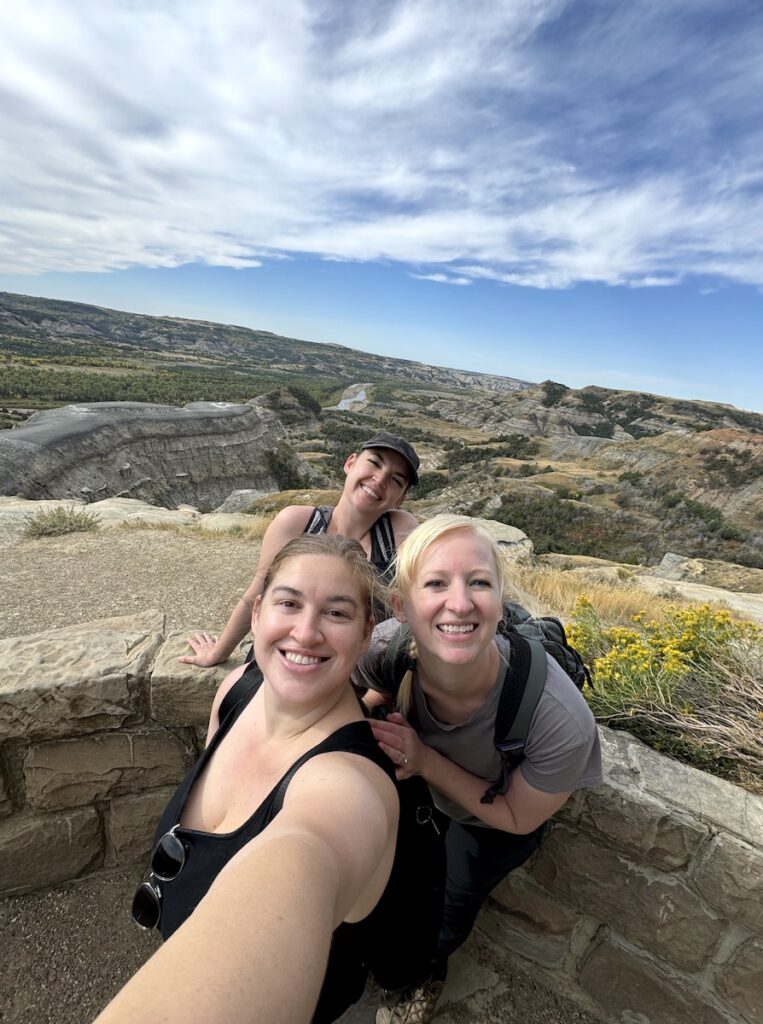
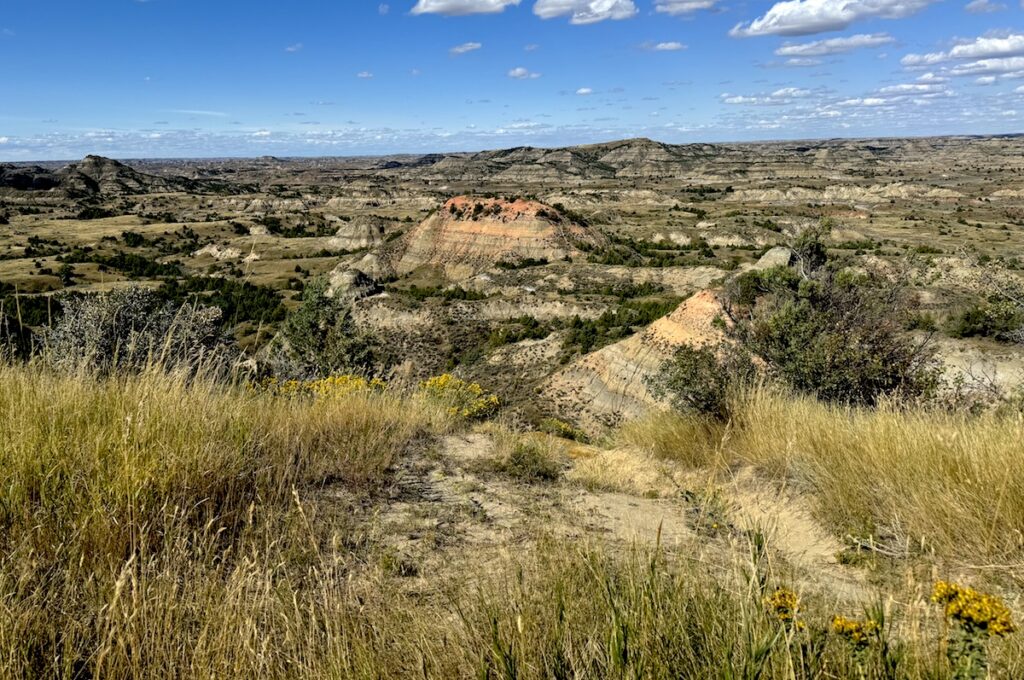
Best Things To Do In Theodore Roosevelt National Park
Drive The South Unit Scenic Loop
South Unit
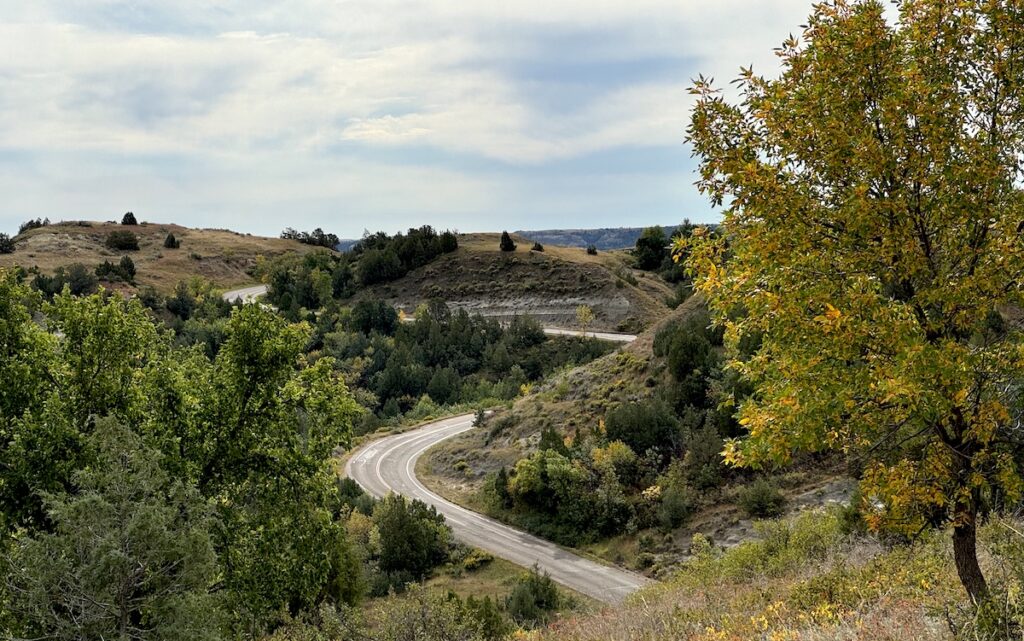
The 36-mile Scenic Loop Drive is the perfect introduction to the park, in fact, driving it is basically required since you won’t see much of the South Unit without it.
As you follow the road, you’re treated to sweeping Badlands vistas, plenty of wildlife sightings (especially bison), and easy pull-offs for photos or quick walks.
Check for updates at TRNP Road Conditions.
Hike Caprock Coulee Trail
North Unit
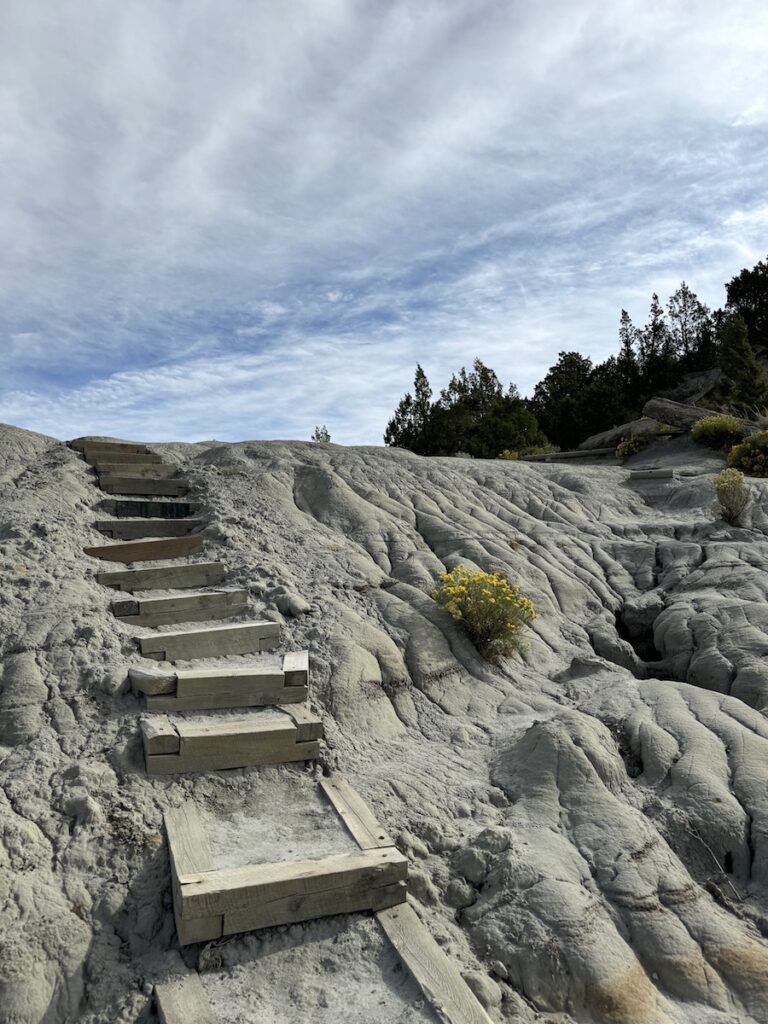
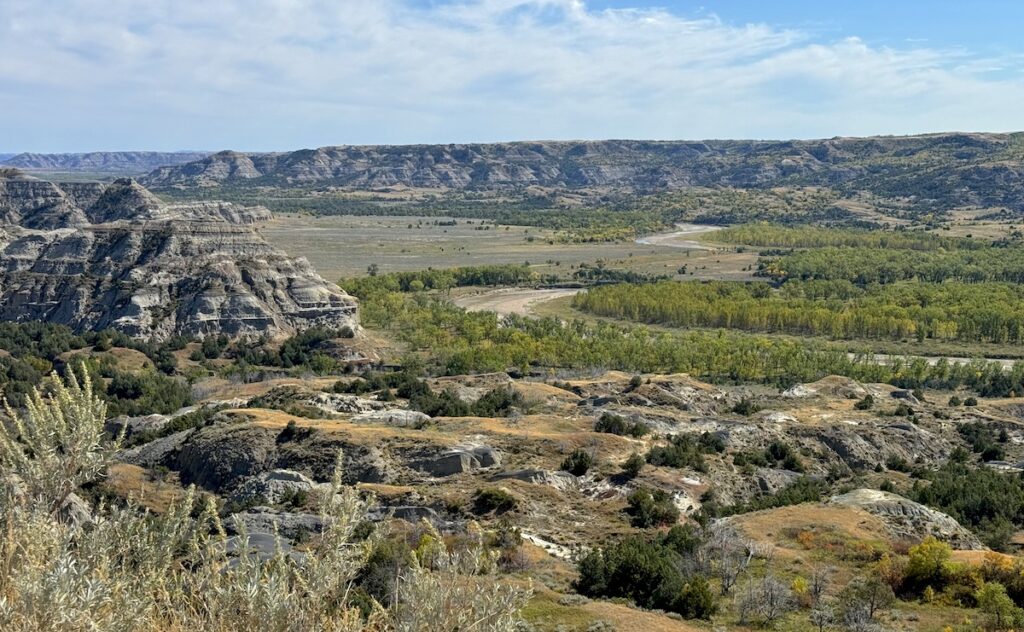
This 4+ mile loop genuinely made me fall in love with Theodore Roosevelt National Park. The colorful Badlands rock formations, open prairies, and scenic ridgetops were stunning. With about 600 feet of elevation gain, it’s a solid moderate hike, but do-able for most.
If time is short on time, follow the southern portion of the trail and turn back at River Bend Overlook, this is a quicker out-and-back hike that’s still spectacular.
If you’re not making the trip to the North Unit, the South Unit has some good hiking options as well. I’ll cover a few of them in throughout this guide.

Watch For Wildlife
South & North Units
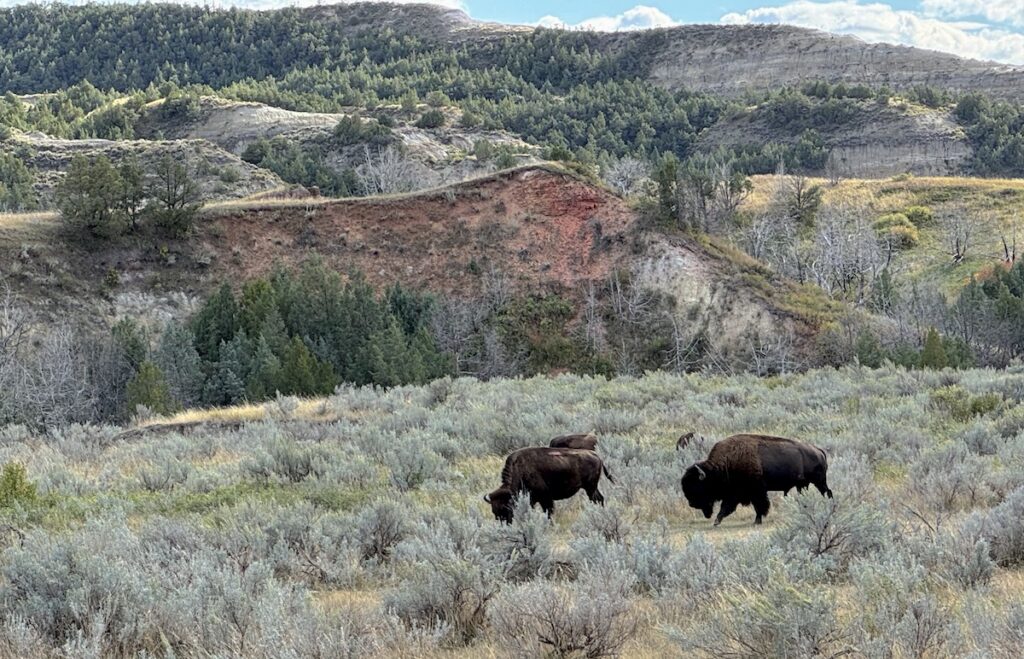
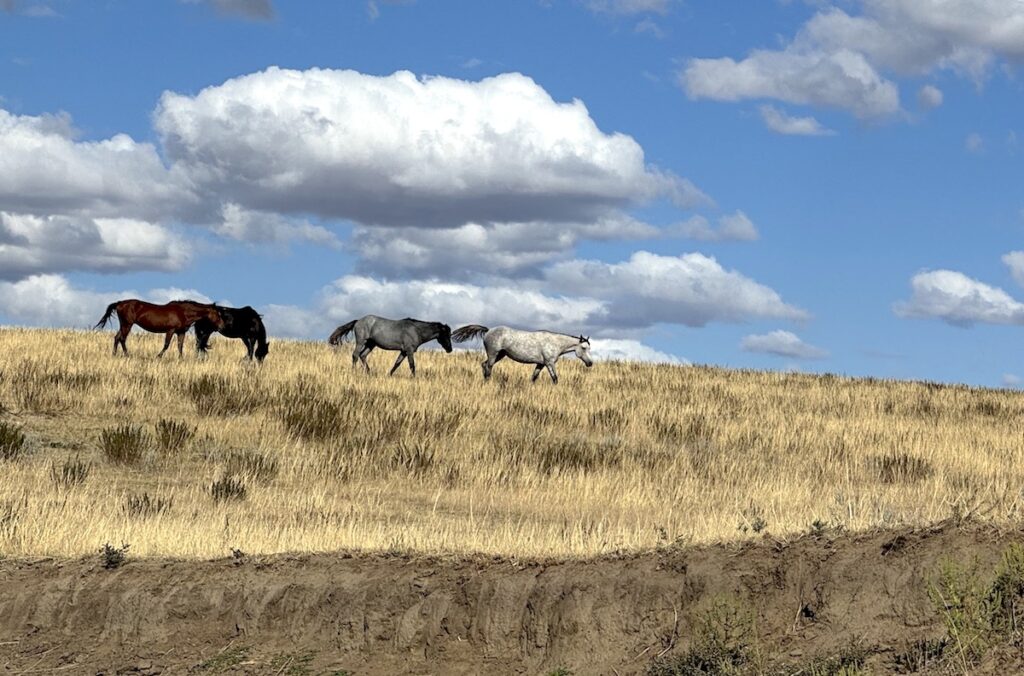
Wildlife is everywhere here, I’d argue it’s one of the best in the entire national park system. In just one day I saw countless bison (including adorable babies), wild horses, prairie dogs, antelope, rabbits, and coyotes.
While parks like Yellowstone are renowned for their wildlife, and rightfully so, Theodore Roosevelt offers a more intimate experience. Because it’s much smaller and less crowded, your chances of spotting animals up close are actually very high.
The South Unit Scenic Loop often delivers the largest herds, although the North Unit has its fair share as well. Regardless though, dawn and dusk are the magic hours for animal activity.
Note: Never approach or feed wildlife (even the cute chipmunks and squirrels!). Getting too close can be dangerous for both you and the animal, and feeding wildlife alters their natural behavior and diet, ultimately harming them. Keep a safe distance and use zoom for photos.
Hike Petrified Forest Loop
South Unit
Theodore Roosevelt National Park holds the third largest concentration of petrified wood in the US, and along this trail you’ll find massive, colorful tree stumps rooted in the Badlands hills.
The complete trail is a 10.4 mile loop connecting both the North and South Petrified Forest areas. However, most visitors will just follow the North area or the South area as an out-and-back, which shortens your hike to about 3 or 3.5 miles while still allowing you to see the best of the park’s petrified wood.
We weren’t able to do this hike during our visit, but from the trail reviews I’ve read it seems most visitors prefer the North area for the best petrified wood.
While this area is technically part of the South Unit, it’s not accessible from Scenic Loop Drive. To reach the trailhead you’ll primarily follow a dirt road that passes through private property. Find driving directions here. The trailhead is about 30 minutes from Medora.
Visit Maltese Cross Cabin
South Unit
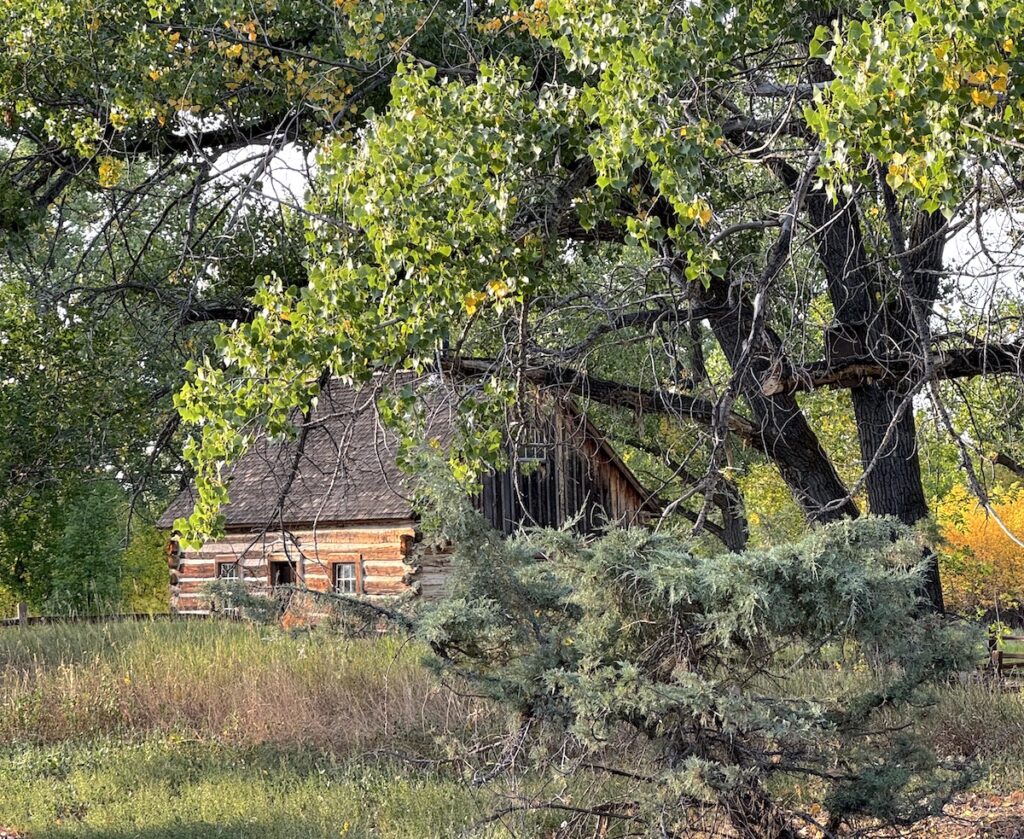
Tucked right beside the South Unit Visitor Center is a simple cabin Teddy Roosevelt used during his ranching years in North Dakota. It’s been lovingly restored to its original state and offers a glimpse into his rugged life out west.
It’s a quick visit and definitely worth it if you wish to learn more about Teddy Roosevelt’s time spent here, as well as his conservation efforts while president of the United States.
Elkhorn Ranch Unit
Elkhorn Ranch Unit
Those who wish to learn more about Theodore Roosevelt’s time in North Dakota should head to the park’s most remote section, the Elkhorn Ranch Unit.
This area preserves the site of Theodore Roosevelt’s home ranch, where he sought solitude and began redefining his connection to the rugged landscapes after personal tragedy.
Today, a gentle stroll along the 0.7 mile path will lead you to the cabin’s foundation, where you’ll find infographics sharing Roosevelt’s own reflections on ranch life. It’s a peaceful and historical spot, no buildings or amenities, just cottonwoods, Badlands ridges, and the lingering legacy of Roosevelt’s time here.
It takes quite a bit of effort to reach the Elkhorn Ranch Unit, you’ll travel miles of unpaved roads. Be prepared for no cell signal at the site and always check road conditions at park visitor centers before heading out.
Hike Wind Canyon At Sunset
South Unit
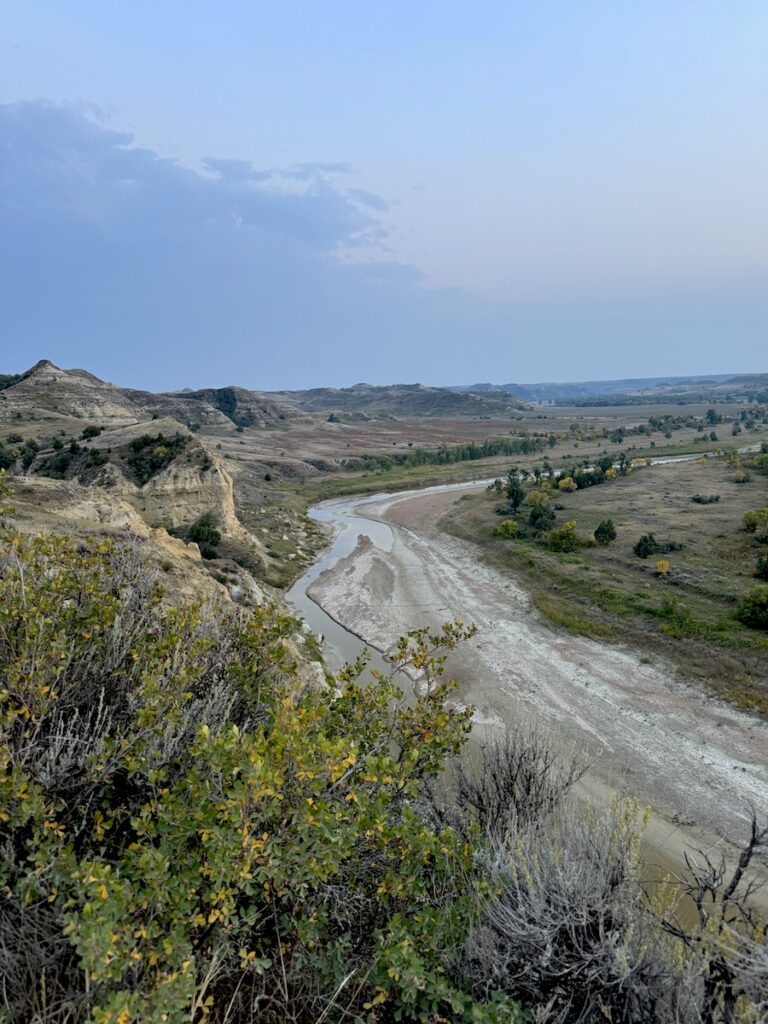
The South Unit’s Wind Canyon Trail is a gentle 0.5 mile hike leading to a scenic viewpoint overlooking the Little Missouri River. The trail is short enough to do after dinner, and when we went it was quiet and peaceful, complete with distant coyote calls and a few wild horses grazing nearby.
Even though the sunset wasn’t super vibrant the day of our visit, the views were still wonderful.
If you’re in the North Unit, consider catching sunset at Oxbow Overlook instead.
Join A Ranger Talk
North & South Units
Each unit runs free ranger-led talks and walks, in the past there’s been a geology talk and a sunset wildlife stroll, for example. These are short (usually 30 – 45 minutes), informal, and cover everything from park history and geology to animal behavior.
For the upcoming schedule, check out the TRNP Calendar or ask a park ranger at one of the visitor centers.
Drive North Unit Scenic Drive
North Unit
This 14 mile drive is shorter than the South Unit’s but still packs a punch with dramatic canyons, unique geologic formations, and wide-open spaces with fewer visitors.
It also includes beautiful stops like River Bend and Oxbow overlooks. We drove it after hiking Caprock Coulee and even squeezed in a quick picnic beside one of the viewpoints.
Coal Vein Trail
South Unit
This short interpretive loop passes the remnants of a once-burning coal seam (it burned from 1951-1977!). Along the trail you’ll see unusual formations which provide insights into the role fire and water played in forming the badlands we now see.
Pick up one of the trail guides from the trailhead and follow the 0.8 mile trail while learning about the geology and ecology of this interesting park. It’s unique, educational, and an easy addition to your Theodore Roosevelt itinerary.

Photo Credit: Kathy Thomas
Buck Hill & Skyline Vista Overlook
South Unit
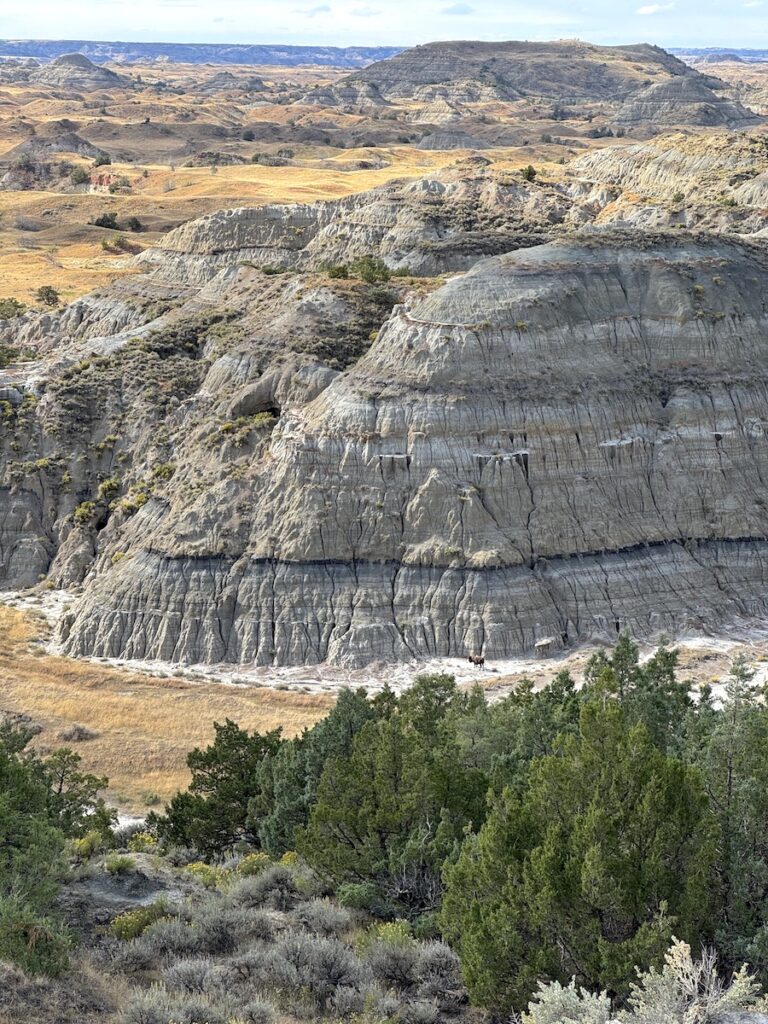
Buck Hill and Skyline Vista were my favorite overlooks along the South Unit Scenic Loop.
Buck Hill is the highest accessible point in the South Unit, reached via a short, steep walk from the parking area. Here you can take in the views and watch for wildlife below, the panoramic view stretches for miles.
Not far away, Skyline Vista has a more level outlook that’s equally impressive in my opinion. You’ve got a great view of the badlands below and we happened to have a lot of wildlife sightings in the area.
Painted Canyon Overlook & Visitor Center
South Unit
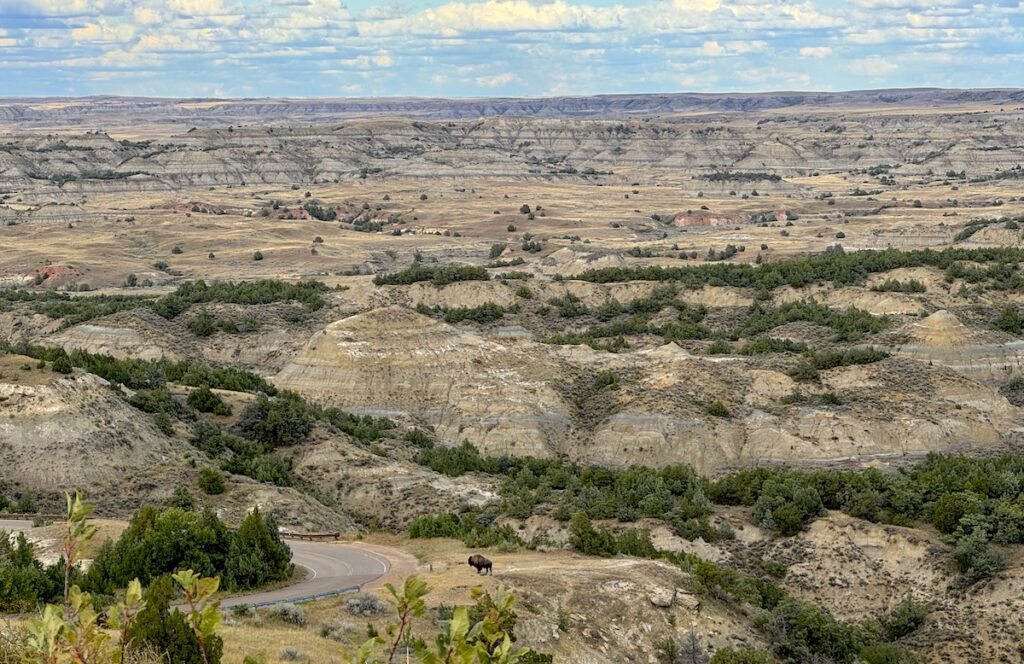
This is one of the park’s most iconic viewpoints and the largest visitor center. The overlook is located directly behind the visitor center building, and the views are beautiful, we even saw wildlife roaming below.
It’s also a great place to grab info, souvenirs, and learn about geology or park history before heading further in.
The Painted Canyon Visitor Center and overlook are located right off I-94, a bit separate from the rest of the South Unit.
Stargaze
North & South Units
With minimal light pollution, both units offer excellent conditions for stargazing. On a clear night, you’ll see a sky full of stars, and if you time it right, even the Milky Way.
Bring a blanket and find a quiet turnout, there are plenty of spots to enjoy the night sky here.
Camping
North & South Units
If you want to wake up to wild horses in the near distance or catch dawn over the badlands, consider staying in one of the park campgrounds.
Cottonwood Campground in the South Unit is open seasonally, with first-come-first-served and reservable sites available. And Juniper Campground in the North Unit is first-come, first-served only.
Bring your gear and enjoy life without cell service or street lights, you’ll love being completely immersed in this gorgeous park.
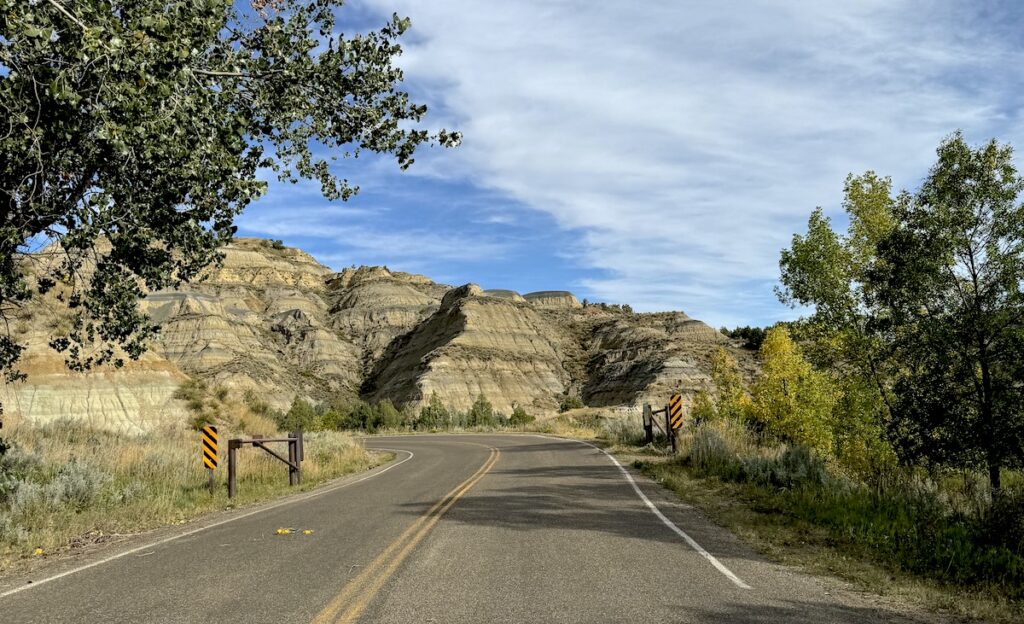
From sweeping overlooks and sunset hikes to wildlife galore, you’ll find great things to do in Theodore Roosevelt National Park. No matter how long you stay, you’ll leave with a deeper appreciation for the quiet beauty of the badlands.
I hope you’ve found this helpful in planning your trip and have the best time! Any questions? Please leave a comment below or reach out on social media.
Looking for more ideas? Below are additional Theodore Roosevelt guides or head on over to Theodore Roosevelt National Park NPS.
More Information For Your Trip To Theodore Roosevelt National Park:
- One Day In Theodore Roosevelt National Park (North & South Units)
- Top Hotels Near Theodore Roosevelt National Park
Additional Guides:
Pin for later!



Keep Up With Amy!
Subscribe to the newsletter for the latest updates in your inbox. And don’t forget to connect on your favorite social platform!
Thank you!
You have successfully joined our subscriber list.