
One Day In Dinosaur National Monument Itinerary

If you only have one day in Dinosaur National Monument, you can still experience many of the park’s best highlights — from the iconic Quarry Exhibit Hall to quieter corners of the park. This itinerary follows the exact route I took during my visit, covering both the Utah and Colorado sides of the monument.
While one day isn’t enough to see everything, it’s plenty of time to experience what makes Dinosaur National Monument such a unique destination.
One Day In Dinosaur National Monument Itinerary
Utah Side Of Dinosaur National Monument
I recommend starting your day on the Utah side of the monument, home to Dinosaur National Monument’s most famous attraction: the Quarry Exhibit Hall.
Try to arrive early, especially if you’re visiting during the summer months. Temperatures rise quickly throughout the day, and starting early will give you more comfortable conditions for a hike later in the morning.
Quarry Visitor Center
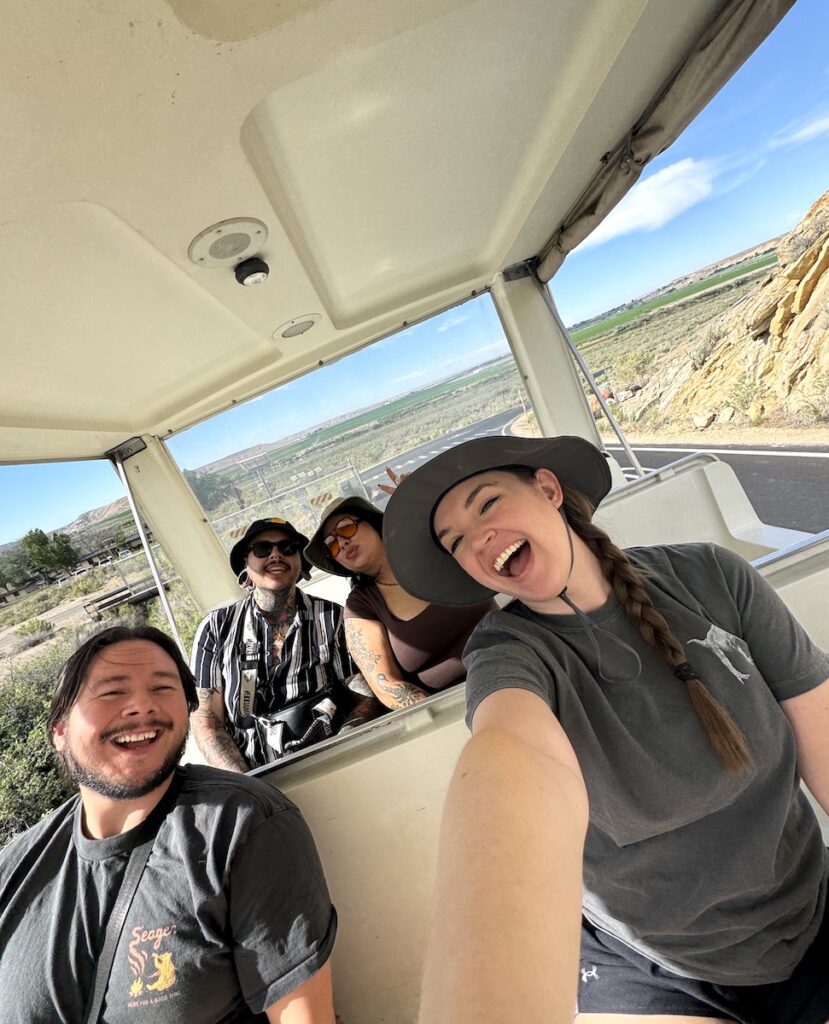
Begin your visit at the Quarry Visitor Center. During the summer season, visitors are required to take the shuttle to the Quarry Exhibit Hall, the shuttle departs from the visitor center, runs frequently, and is free.
Outside of shuttle season, you can drive directly to the exhibit hall, but it’s still worth stopping here to check out the displays, watch the park movie, browse the gift shop, and speak with park rangers.
Quarry Exhibit Hall
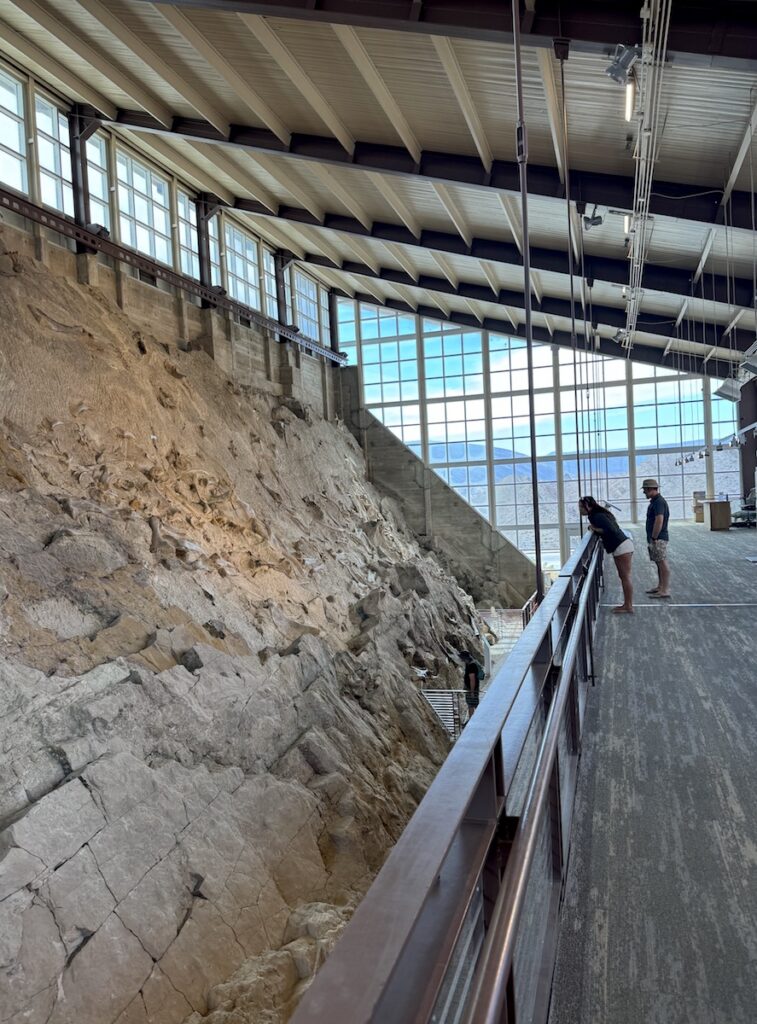
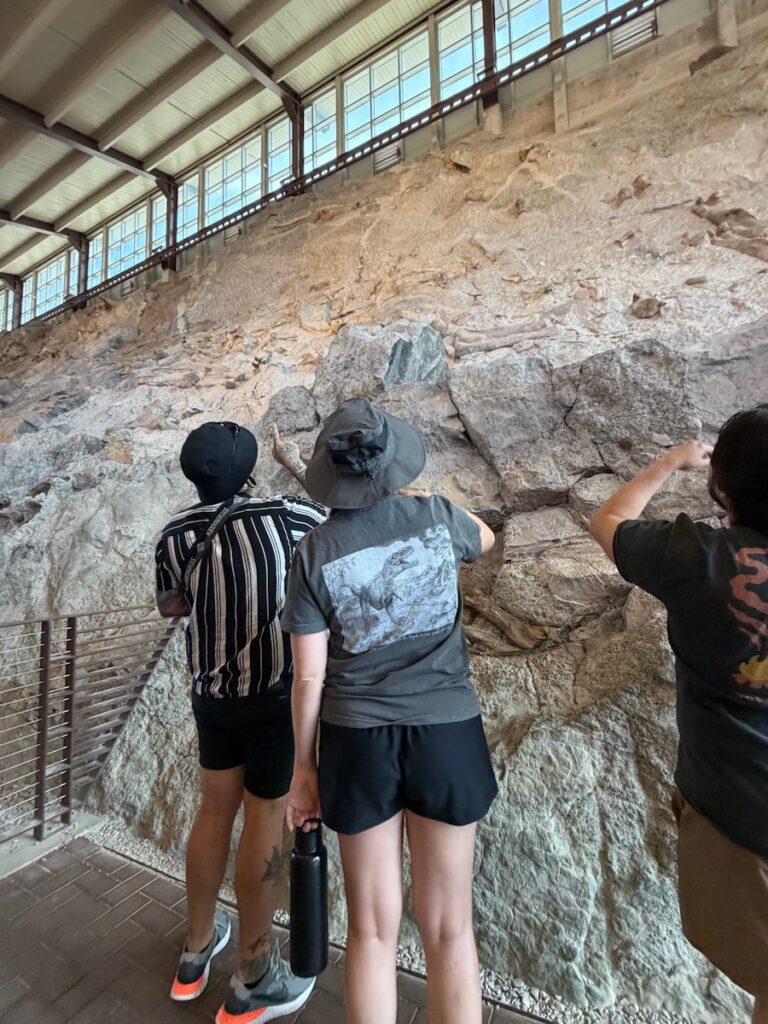
Next we’re heading to Quarry Exhibit Hall, the highlight of Dinosaur National Monument, it’s unlike any other dinosaur attraction I’ve visited.
Inside, you’ll find more than 1,500 dinosaur fossils still embedded in the rock face exactly where they were originally buried around 150 million years ago. Elevated walkways allow you to view the fossils from different angles, and one of the coolest parts is that you can actually touch several real dinosaur bones.
Plan to spend at least 45 minutes here, although dinosaur enthusiasts could easily spend longer exploring the exhibits and learning about the monument’s fascinating fossil discoveries. Park rangers are also available throughout the exhibit to answer questions and share more about the monument’s fossil discoveries.
Fossil Discovery Trail
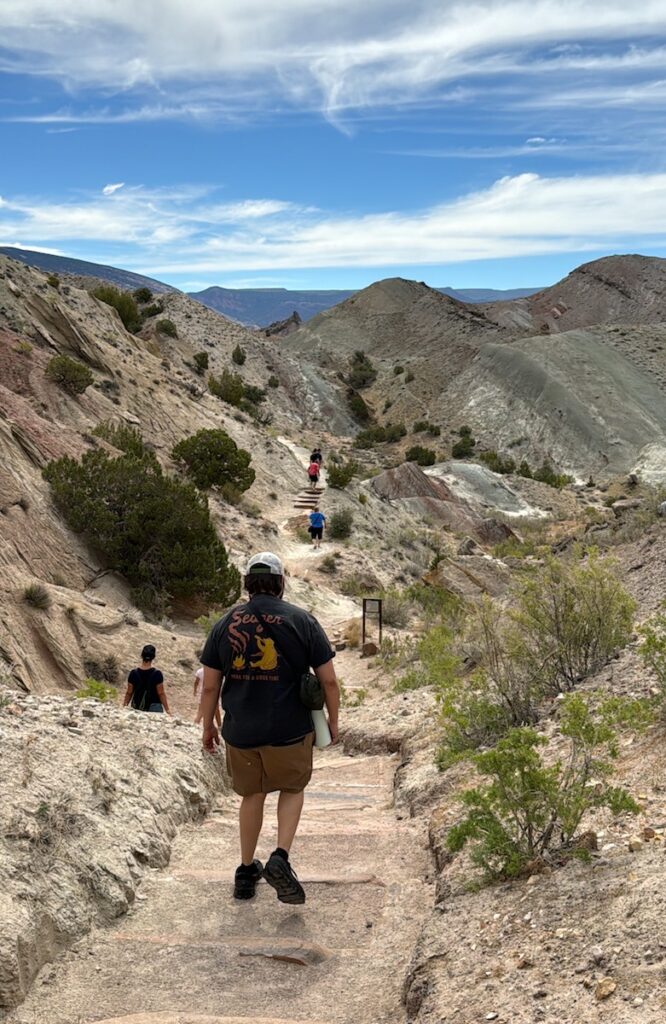
Instead of taking the shuttle back to the visitor center, I recommend hiking the 1.2-mile Fossil Discovery Trail.
This one-way trail ends at the visitor center and follows the same hillside where many of the monument’s fossils were discovered and features interpretive signs explaining the area’s geology and prehistoric history. You’ll even spot a few smaller fossils still visible in the surrounding rock.
Keep in mind that this trail offers very little shade. Bring plenty of water, wear sun protection, and, if possible, hike it earlier in the day during the summer months. If you’re visiting during extreme midday heat, it’s perfectly reasonable to skip the hike and take the shuttle back instead.
Drive Cub Creek Road
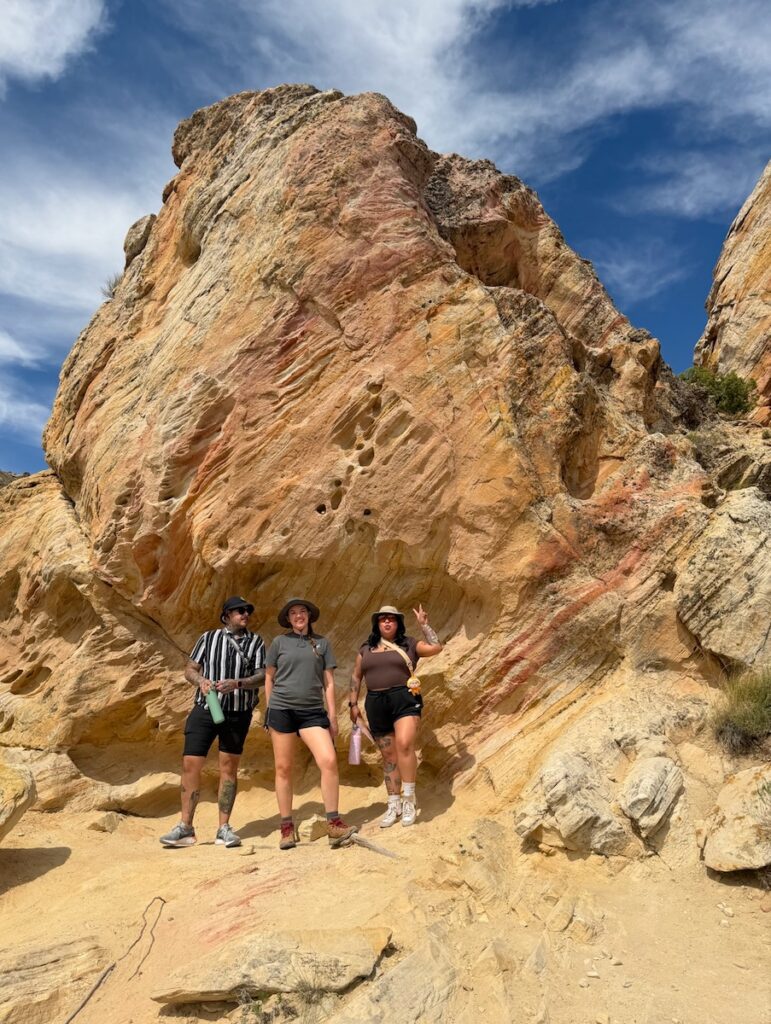
After returning to the Quarry Visitor Center, continue your day by driving Cub Creek Road. This scenic drive is another highlight of the Utah side of Dinosaur National Monument, passing ancient rock art, beautiful river views, and historic sites that showcase a completely different side of the park beyond the dinosaur fossils.
Feel free to customize this section of the itinerary depending on how much time you have, but these were my stops along the drive.
Swelter Shelter Petroglyphs
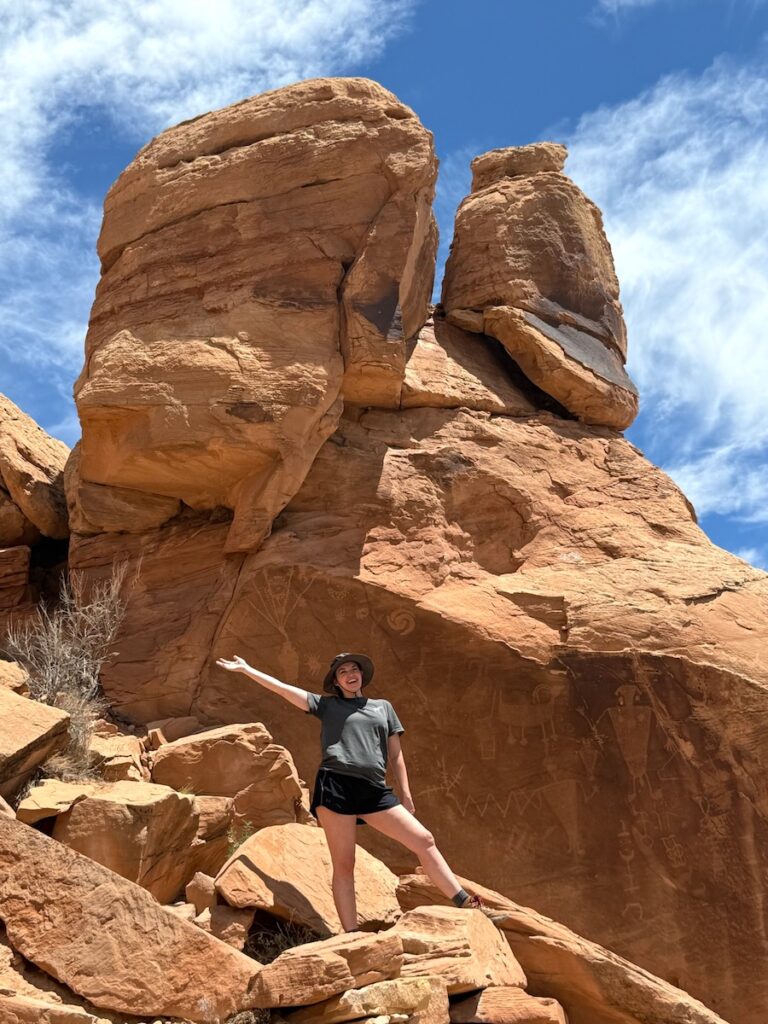
Our first stop was the Swelter Shelter Petroglyphs, located just a few minutes from the Quarry Visitor Center. This impressive panel of Fremont rock art sits right alongside Cub Creek Road, making it one of the easiest archaeological sites to visit in the monument.
Split Mountain
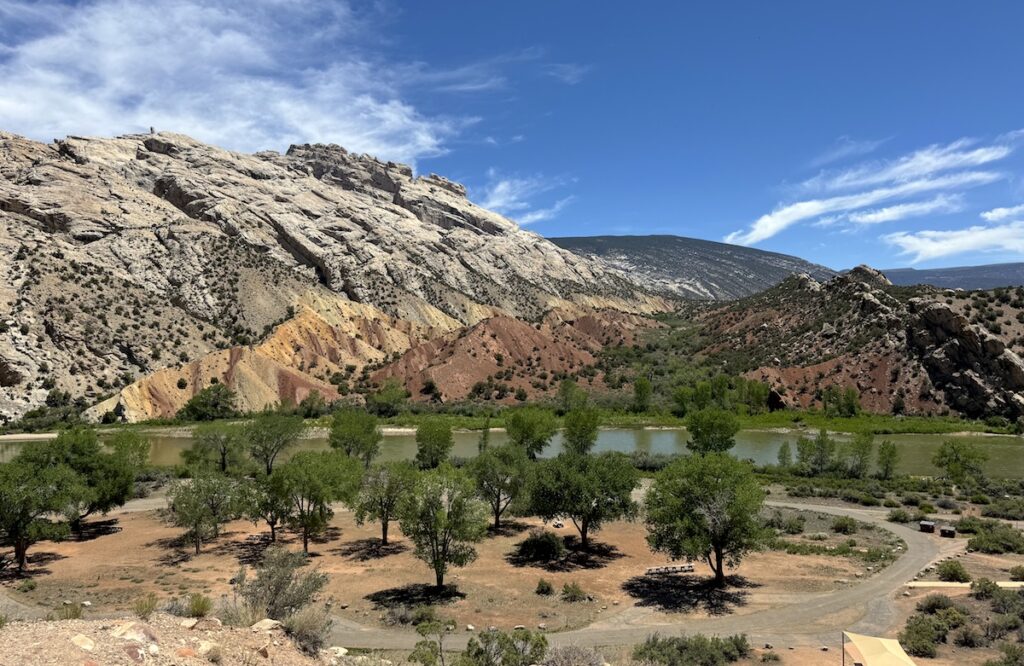
We then continued driving to Split Mountain, where the Green River cuts through the surrounding cliffs to create one of the monument’s most beautiful landscapes. Here you can get up close to the river, see rafters launching, and there are several places to pull over and enjoy the views. I really enjoyed this stop.
Cub Creek Petroglyphs
Next, we stopped at Cub Creek Petroglyphs. This is one of the largest Fremont petroglyph panels in the monument and definitely worth the stop.
Note: Cub Creek Road becomes unpaved just before the petroglyphs. The road is well-maintained and suitable for most passenger vehicles in dry conditions.
Josie Morris Cabin
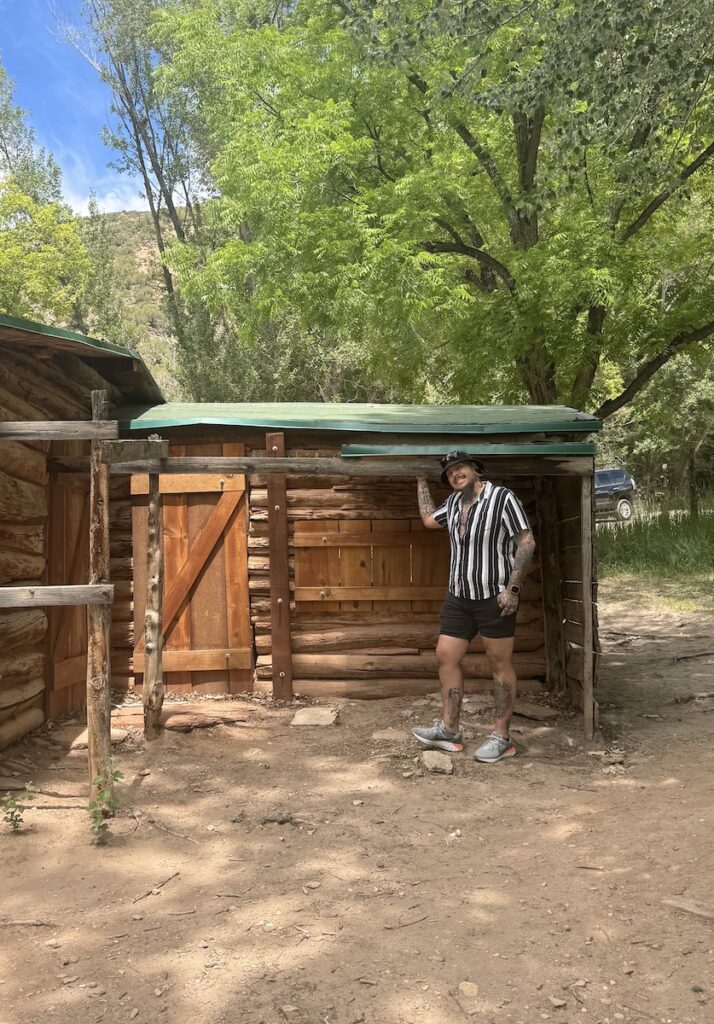
The final stop along Cub Creek Road is the historic Josie Morris Cabin. Josie Morris lived here for decades as a homesteader, and today you can explore the preserved cabin and surrounding property to get a glimpse into life in this remote corner of the monument. If you have extra time, this area is also home to several hiking trails that are worth exploring.
Colorado Side Of Dinosaur National Monument
After exploring the Utah side of the monument, it’s time to head over to Colorado. The drive from the Quarry Visitor Center to the Canyon Visitor Center takes about 30 minutes and is well worth it.
While the Utah side is best known for its dinosaur fossils, the Colorado side offers a completely different experience. Here, you’ll trade fossils for dramatic canyon overlooks, scenic drives, and some of the best views in Dinosaur National Monument.
Canyon Visitor Center
On this side of the park begin at the Canyon Visitor Center before driving Harpers Corner Road. Although this side of the monument doesn’t feature a dinosaur quarry, you can still see — and even touch — a real dinosaur bone inside the visitor center. It’s also a good place to use the restrooms, browse the exhibits, and check current trail and road conditions before continuing your afternoon.
Drive Harpers Corner Road
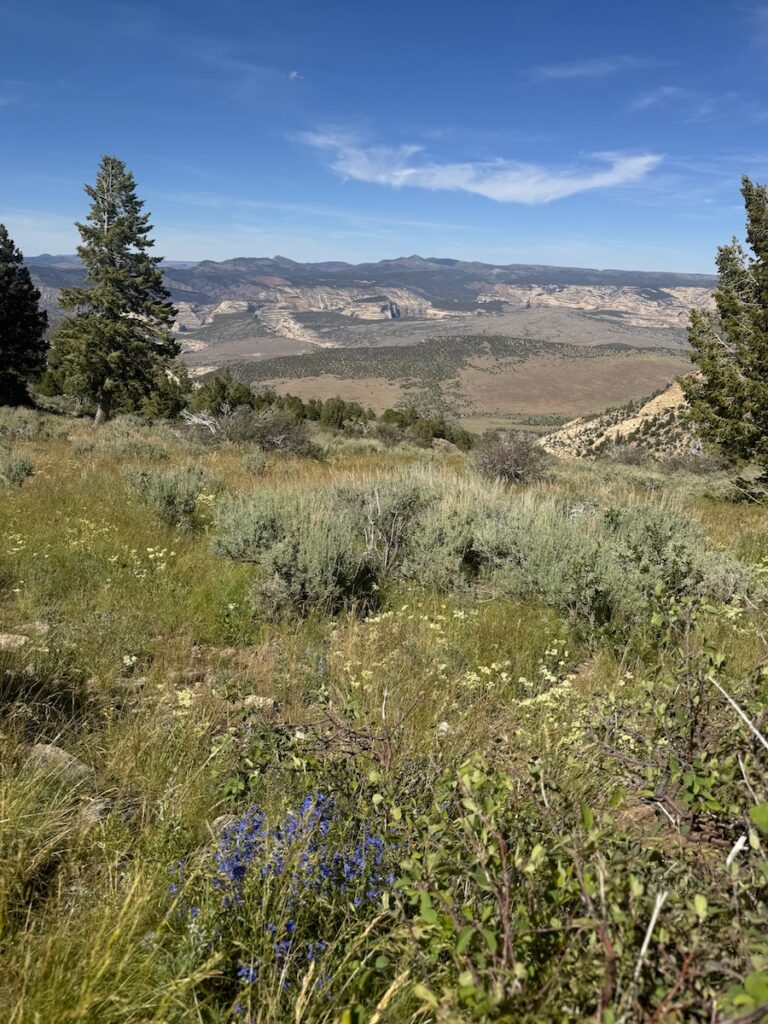
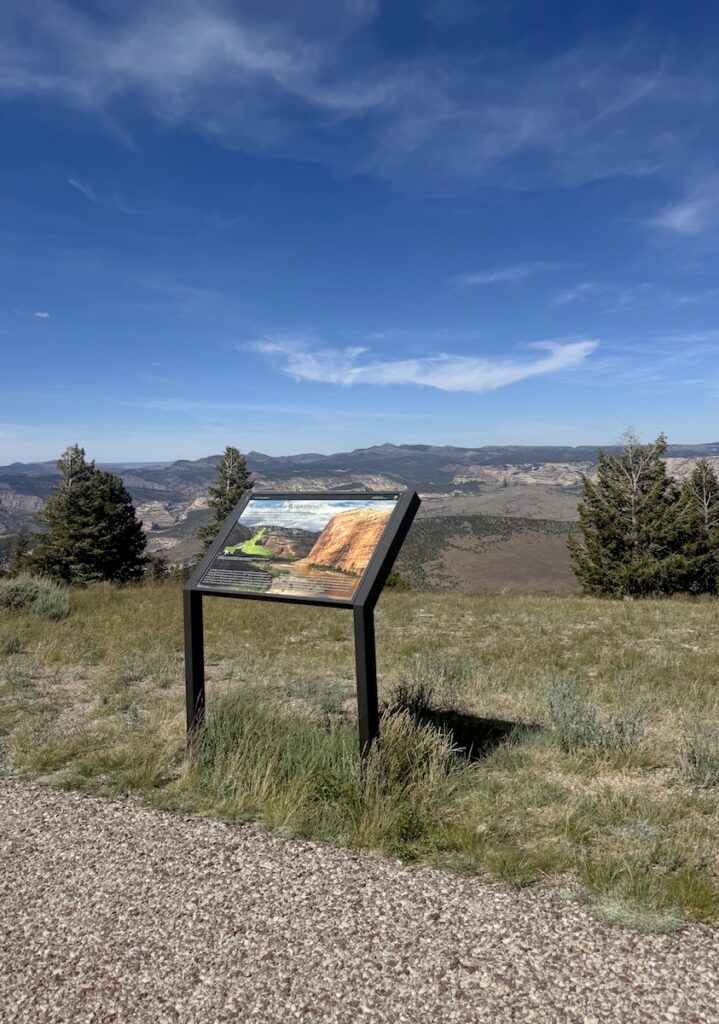
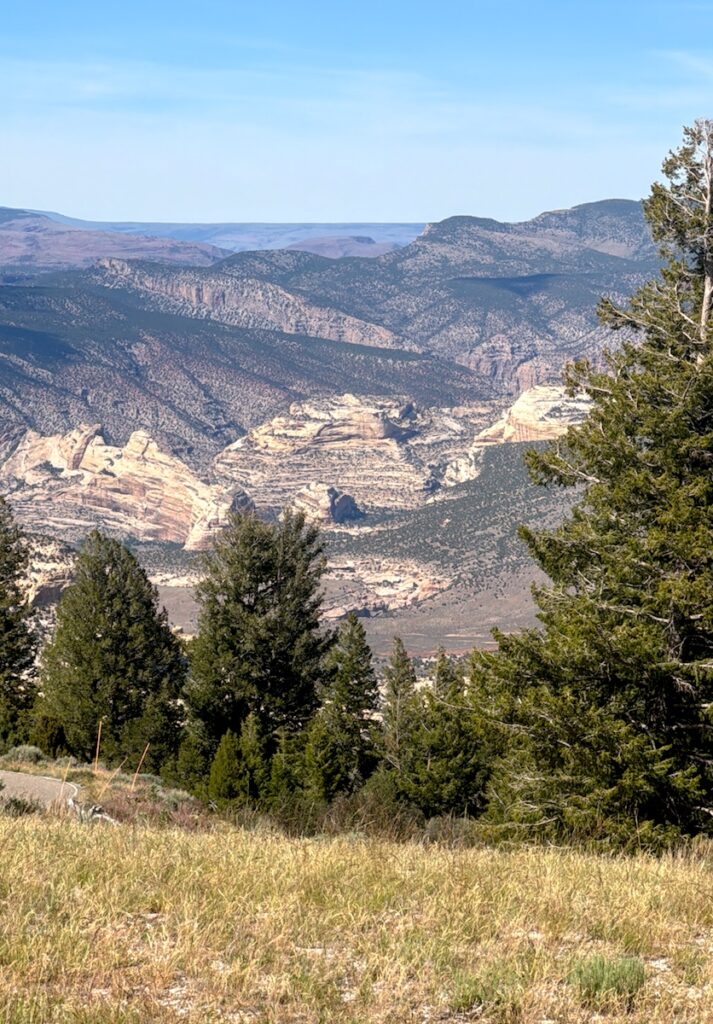
Next, drive Harpers Corner Road, one of the most scenic roads in Dinosaur National Monument. The drive winds through the high desert with several overlooks offering expansive views of the Green and Yampa River canyons.
Take your time and stop at as many overlooks as you’d like — they each offer a slightly different perspective of the landscape. This side of the monument is also one of the best places to spot wildlife, so keep an eye out for mule deer, elk, birds, and other animals along the drive.
Hike Harpers Corner
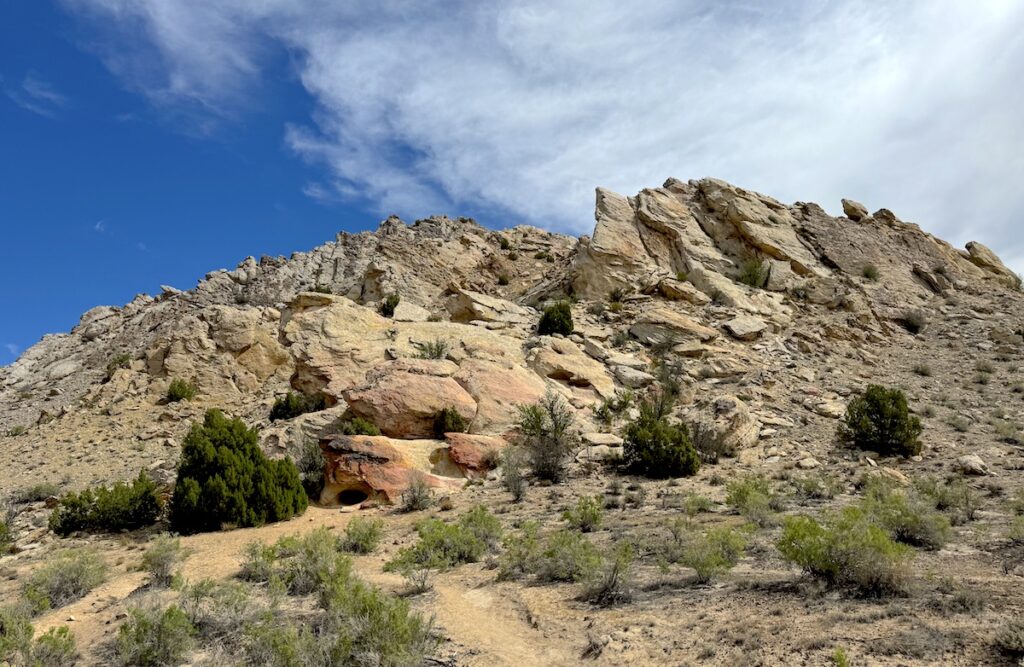
Finish your day with the Harpers Corner Trail, one of the monument’s most rewarding hikes. The trail is about 2 miles round trip and relatively easy, following the canyon rim to a spectacular overlook high above the Green and Yampa River canyons.
The views at the end are incredible and make for the perfect finale to a day exploring Dinosaur National Monument.
Additional Things To Do In Dinosaur National Monument
The itinerary above covers many of Dinosaur National Monument’s biggest highlights, but there’s plenty more to explore if you have extra time. Here are a few additional activities to consider during your visit:
- Jones Hole Trail
- See the confluence from Echo Park
- Whitewater Rafting
- Camping
- Stargazing
Looking for even more ideas? Check out my guide to The Best Things To Do In Dinosaur National Monument, where I cover additional hikes, scenic drives, overlooks, and activities throughout the monument.
Dinosaur National Monument Entry Fee & Reservations
Dinosaur National Monument charges an entrance fee, which is valid for 7 consecutive days. You can either pay at the entrance station or use an America the Beautiful Pass if you have one.
Unlike some of the more popular national parks, Dinosaur National Monument does not require timed-entry reservations. Reservations are only required for certain campgrounds and backcountry permits.
Getting Around & Parking
You’ll need a personal vehicle to explore Dinosaur National Monument. There is no shuttle connecting the Utah and Colorado sides of the monument, so driving is the only practical way to follow this itinerary.
One important thing to know though, a shuttle is required for one section of the park. During the peak summer season (typically late May through early October), visitors are required to park at the Quarry Visitor Center and take the shuttle to the Quarry Exhibit Hall. The shuttle runs frequently throughout the day and is included with your park admission. Outside of shuttle season, visitors can drive directly to the Quarry Exhibit Hall instead.
Parking is generally easy to find throughout the monument, even during the busy summer months. Most roads along this itinerary are paved, with the exception of the short section of road leading to the Cub Creek Petroglyphs and Josie Morris Cabin. This road is typically well-maintained and suitable for passenger vehicles in dry conditions. The Colorado side of the park has many unpaved roads. Before heading out, be sure to check in with the visitor center regarding vehicle requirements and road conditions.
Finally, be sure to download offline maps before your visit. Cell service is limited throughout much of the monument, and gas stations, restaurants, and other services are located outside the park, so it’s also a good idea to fill up your gas tank and pack plenty of water and snacks before heading out.
Weather & Best Time To Visit Dinosaur National Monument
Summer (June – August)
Summer is the most popular time to visit Dinosaur National Monument. All roads and visitor centers are typically open, but temperatures regularly climb into the 90s and even over 100°F, especially on the Utah side of the monument. If you’re visiting during summer, plan to start early and carry plenty of water.
Spring (April – May)
Spring brings milder temperatures, blooming wildflowers, and fewer crowds than summer. It’s one of the best times to visit if you’re planning on hiking, although occasional rain can make some unpaved roads muddy.
Fall (September – October)
Fall is another excellent time to visit, with cooler temperatures and lighter crowds. This is a great time to explore the monument, especially if you plan to spend time hiking.
Winter (November – March)
Winter is the quietest season in Dinosaur National Monument. While some facilities operate on reduced hours, you can still visit many of the monument’s main attractions, including the Quarry Exhibit Hall. Just be prepared for cooler temperatures and the possibility of snow.
What To Wear & Pack For Dinosaur National Monument
Packing for Dinosaur National Monument is fairly straightforward, but the desert climate means you’ll want to come prepared for long periods in the hot sun.
Here’s what I recommend bringing:
- Comfortable hiking or walking shoes
- Lightweight, breathable clothing
- A light jacket or extra layer for cool mornings and evenings
- Sun hat
- Sunglasses
- Sunscreen
- Reusable water bottle
- Snacks
- Daypack
- Camera or binoculars for wildlife viewing
If you’re visiting during the summer, water and sun protection are absolutely essential. Many of the monument’s trails have very little shade, and temperatures can become dangerously hot by the afternoon.
Where To Stay Near Dinosaur National Monument
Most visitors choose to stay in Vernal, Utah, which is where I stayed during my trip. Located about 30 minutes from the Quarry Visitor Center, Vernal offers the largest selection of hotels, restaurants, grocery stores, and other amenities, making it the most convenient base for exploring Dinosaur National Monument.
If you’re primarily interested in the Colorado side of the monument, you can also stay in Dinosaur, Colorado. It’s much closer to Harpers Corner Road and the Canyon Visitor Center, although lodging and dining options are much more limited.
For visitors looking to stay inside the monument, Dinosaur National Monument also offers several campgrounds, including Green River Campground near the Quarry Visitor Center, making camping another great option if you want to spend more time exploring the park.
Additional Things To Know About Visiting Dinosaur
- Pets: Pets are welcome in Dinosaur National Monument, but they aren’t allowed on hiking trails or inside the Quarry Exhibit Hall. They are permitted in developed areas, parking lots, campgrounds, and along paved roads as long as they’re kept on a leash.
- Cell Service: Cell service is very limited throughout much of the monument. Don’t rely on having a signal while exploring, even the visitor centers have poor service.
- Download Offline Maps: Before arriving, download offline maps on Google Maps or your preferred navigation app. It’ll make navigating the monument much easier once you lose service.
- Download Trails On AllTrails: If you plan on hiking, download your trails before arriving. Offline trail maps can be especially helpful if you decide to explore some of the monument’s longer or less-traveled hikes.
- Bring Plenty Of Water: Dinosaur National Monument is much hotter than many first-time visitors expect. Much of the park has very little shade, so carry plenty of water and wear sun protection, especially during the summer months.
- Bring Food: It’s also important to bring your own food, there is nowhere in the park to buy food.
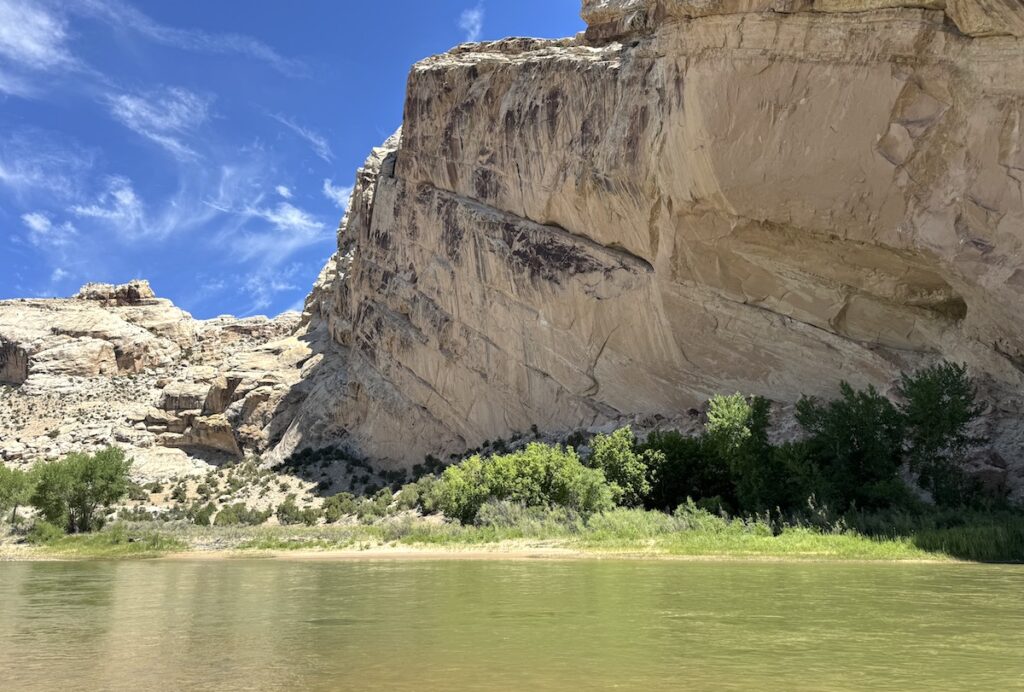
Dinosaur National Monument is an incredibly underrated destination. Between the famous dinosaur fossils, ancient petroglyphs, scenic drives, and incredible canyon views, there’s so much more to this park than I expected.
I hope this one day itinerary helps you make the most of your visit, and have the best time!
If you have any questions, feel free to leave a comment below or reach out on social media. And if you’re looking for even more ideas, be sure to check out my other Dinosaur National Monument guides below or head on over to Dinosaur NPS.
Dinosaur National Monument Guides:
More Ideas For Your Trip:
Pin for later!



Keep Up With Amy!
Subscribe to the newsletter for the latest updates in your inbox. And don’t forget to connect on your favorite social platform!
Thank you!
You have successfully joined our subscriber list.