
Weird & Interesting Facts About White Sands National Park

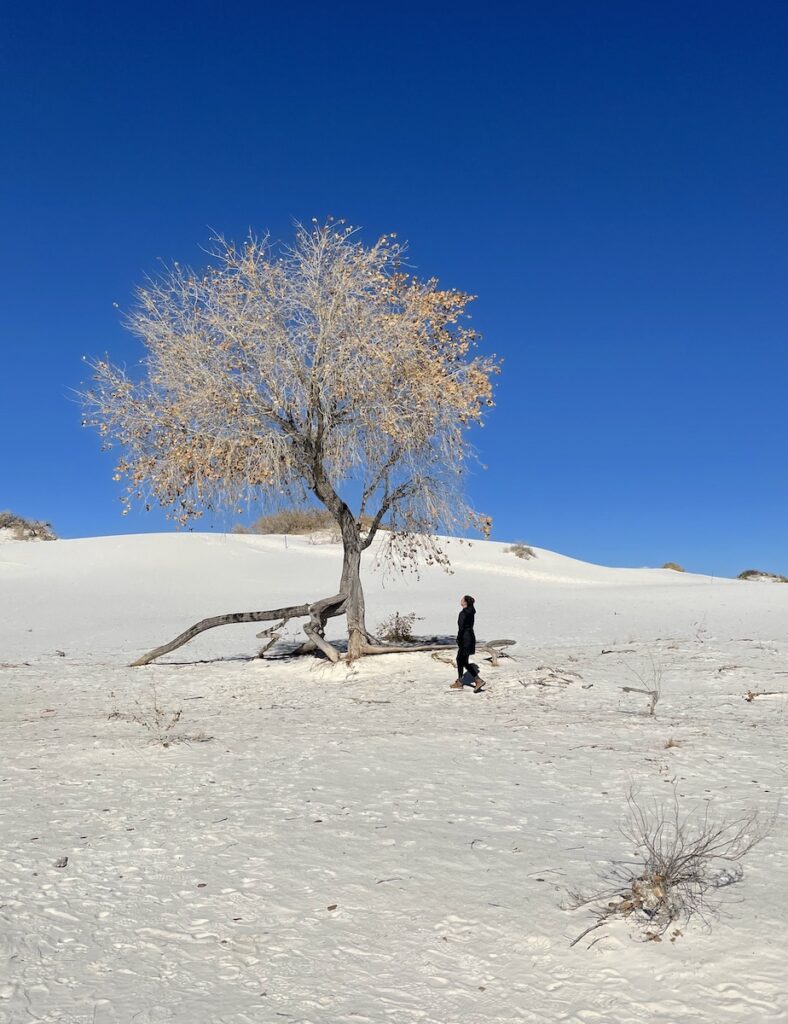
White Sands National Park may be small, but it’s easily one of the most unusual national parks in the U.S. Tucked into southern New Mexico’s Tularosa Basin, this landscape is full of contradictions — from rare Ice Age footprints to active missile testing, all set against blindingly white sand dunes that don’t behave like normal sand at all.
If White Sands feels a little strange while you’re there, that’s because it is. Below are some of the weirdest and most interesting facts about White Sands National Park — and why this place feels so unlike anywhere else.
Weird & Interesting Facts About White Sands National Park
White Sands Is The Largest Gypsum Dune Field In The World
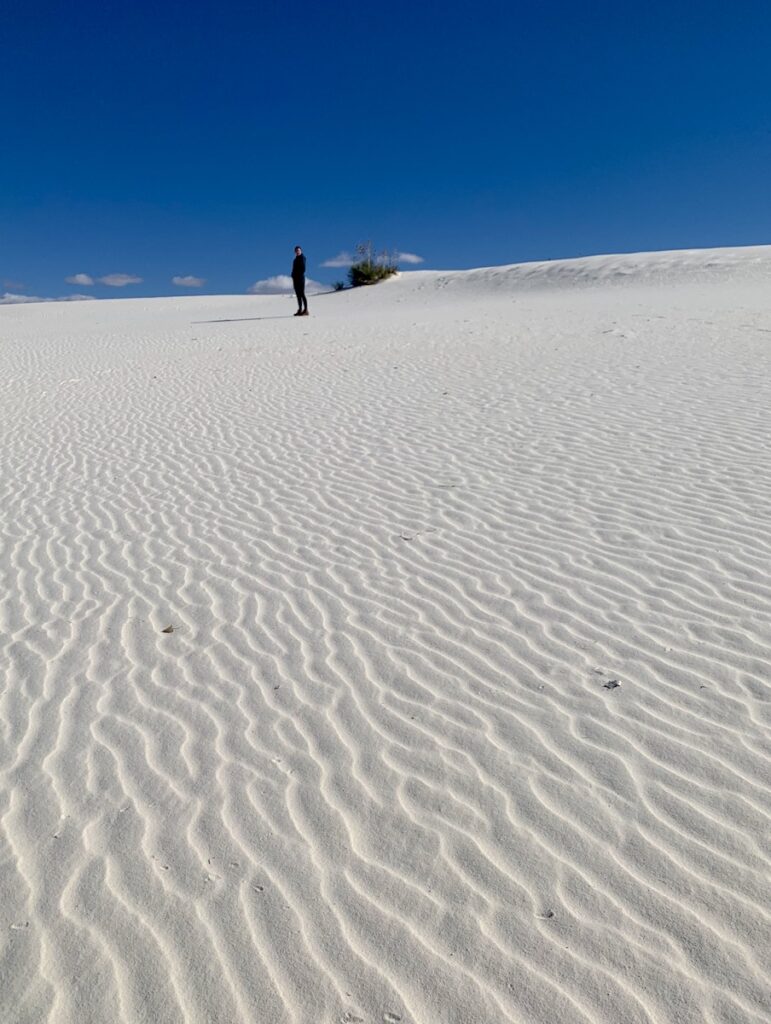
Most sand around the world is made of silica, but the dunes at White Sands are composed entirely of gypsum. While gypsum is a common mineral, it dissolves in water — which makes it extremely rare to find in sand form.
At 275 square miles, White Sands is the largest gypsum dune field on Earth. For comparison, the second-largest gypsum dunes in the world cover just 8 square miles, and the third-largest — located in nearby Guadalupe Mountains National Park — spans only 3 square miles. The scale here is genuinely unmatched.
White Sands National Park Works Part Time As A Missile Test Range
White Sands National Park shares its land with White Sands Missile Range, one of the largest military testing areas in the United States. In fact, most of the surrounding area is still actively used for missile testing.
When hiking, you’ll see signs warning visitors not to touch strange objects — not something you usually encounter in a national park. Because of testing, the park can close temporarily, sometimes with short notice.
It’s one of the few places where pristine dunes and national defense operate side by side.
Ice Age Mammoth Footprints Were Found Here
White Sands is home to one of the largest collections of Ice Age fossilized footprints in North America. Researchers have discovered tracks left by mammoths, giant ground sloths, saber-toothed cats, and even early humans.
Some of these footprints are estimated to be tens of thousands of years old, preserved beneath the dunes and only visible under specific conditions. It’s one of the most important paleontological discoveries in recent years — and it happened in a place most people associate only with sand sledding.
You’ve Probably Seen White Sands National Park On Screen
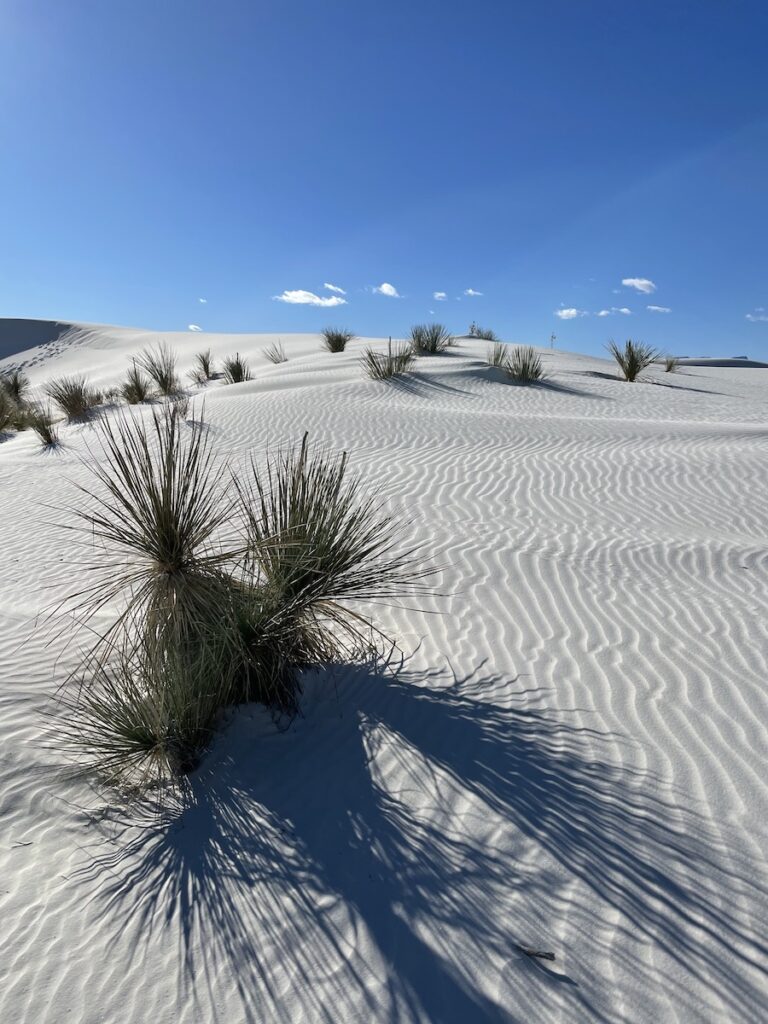
Those unique, bright white dunes have made White Sands a favorite filming location for decades. More than 40 films, documentaries, commercials, and music videos have been shot here.
The landscape is especially popular for westerns, science fiction, and post-apocalyptic scenes — it doesn’t look like anywhere else in the U.S., which makes it incredibly versatile on camera.
Once you’ve visited, it’s hard not to recognize it when it pops up on screen.
NASA & An Air Force Base Are Right Next Door
Within the White Sands Missile Range is a NASA testing facility, used for rocket research and astronaut training. The area has even served as an alternate landing site for space shuttles.
Nearby, you’ll also find active Air Force operations. During our visit, we saw and heard fighter jets flying overhead — a surreal contrast to the quiet dunes below.
It’s not every day you can go sand sledding while jets roar past above you.
There Are African Antelope In Southern New Mexico
Yes — really.
Oryx, a large African antelope with long, straight horns, were introduced to southern New Mexico in the late 1960s for hunting purposes. Today, thousands still roam the region.
The National Park Service works to keep them out of White Sands itself to protect the fragile ecosystem, but you may spot one near the park or along Highway 70 (we did!). Seeing an African antelope on the side of a New Mexico highway is… jarring, to say the least.
The World’s First Atomic Bomb Was Tested Nearby
White Sands is located near the Trinity Site, where the world’s first successful atomic bomb was detonated on July 16, 1945.
The site itself is closed to the public most of the year and only opens twice annually during special events. While you can’t freely visit, the park’s proximity to such a pivotal moment in world history adds another unexpected layer to the landscape.
Over 800 Animal Species Live Here — Some Found Nowhere Else
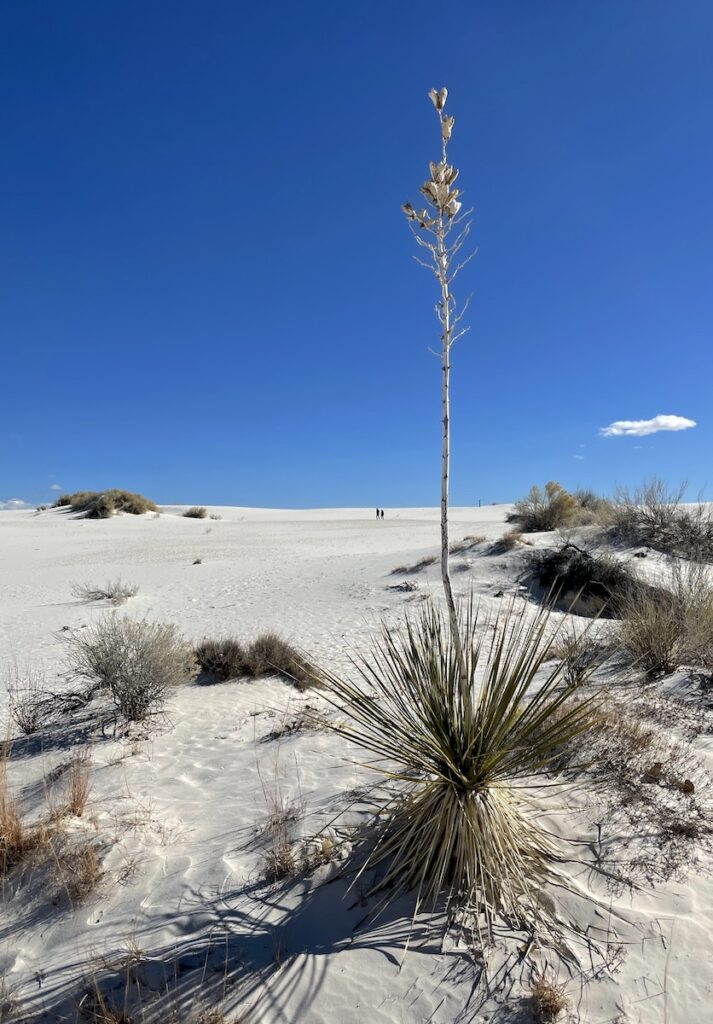
Despite the harsh desert conditions, White Sands National Park is home to over 800 animal species. Even more fascinating, several have evolved to blend into the white dunes.
You’ll find insects, lizards, mice, and moths that have gradually turned pale or white over thousands of years — a striking example of evolution in action. Once you start looking closely, the dunes feel far more alive than they appear at first glance.
For more things to do in White Sands, check out Top Things To Do In White Sands National Park.
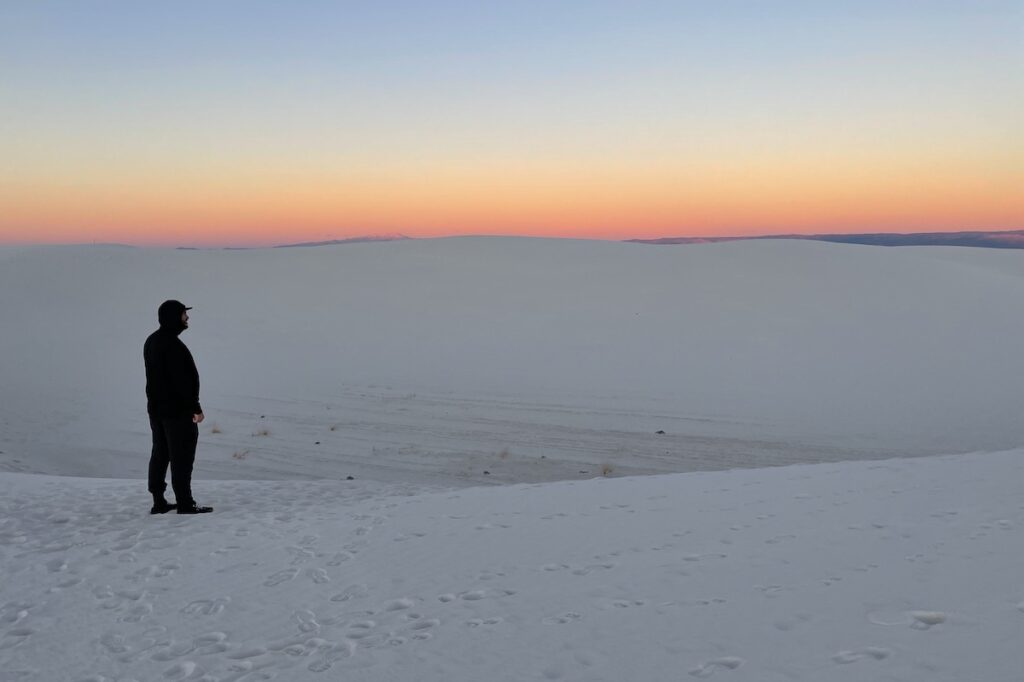
White Sands National Park is full of contradictions — quiet but loud, ancient but modern, peaceful yet militarized. That’s exactly what makes it so fascinating.
If you’ve visited and noticed something unusual that surprised you, I’d love to hear about it.
Looking for more ideas? Below are additional White Sands and national park guides or head on over to White Sands NPS!
More Information For Your Trip To White Sands National Park:
- Top Things To Do In White Sands National Park
- Where To Stay Near White Sands National Park (best towns + hotels!)
- How To Spend One Day In White Sands National Park
Additional New Mexico Guides

Pin for later!



I thoroughly enjoyed our time at White Sands National Park. And we did see an Oryx on our way out of the park – thanks for mentioning it!