
The Best Things To Do On The Olympic Peninsula

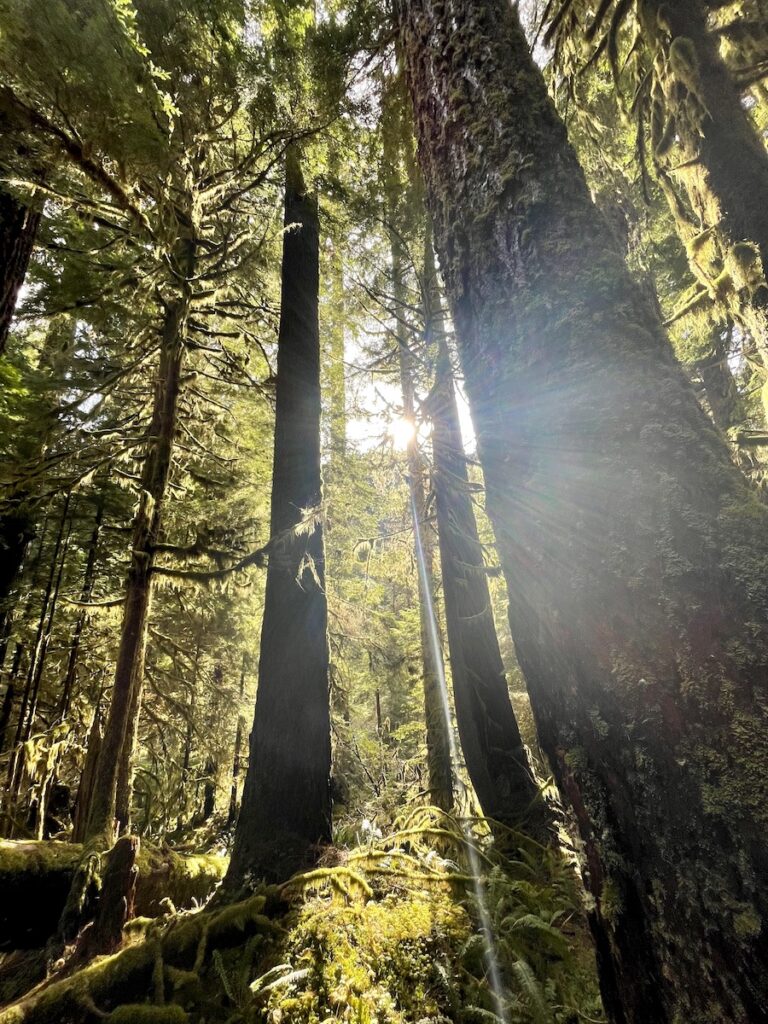
The Olympic Peninsula is one of the most unique regions in the United States — you’ve got rugged Pacific coastline, temperate rainforests, alpine mountain views, small waterfront towns, lavender farms, and glacier-fed lakes all within the same trip. And while Olympic National Park is a huge part of why people visit, the peninsula itself has a lot more to offer beyond the national park boundaries.
One of the things I love most about this area is how varied it feels. One moment you’re driving through moss-covered rainforest, then suddenly you’re in a sunny little town like Sequim, then a few hours later you’re standing on a foggy beach surrounded by sea stacks.
Below are some of the best things to do on the Olympic Peninsula.

The Best Things To Do On The Olympic Peninsula
Explore The Olympic Peninsula Coast
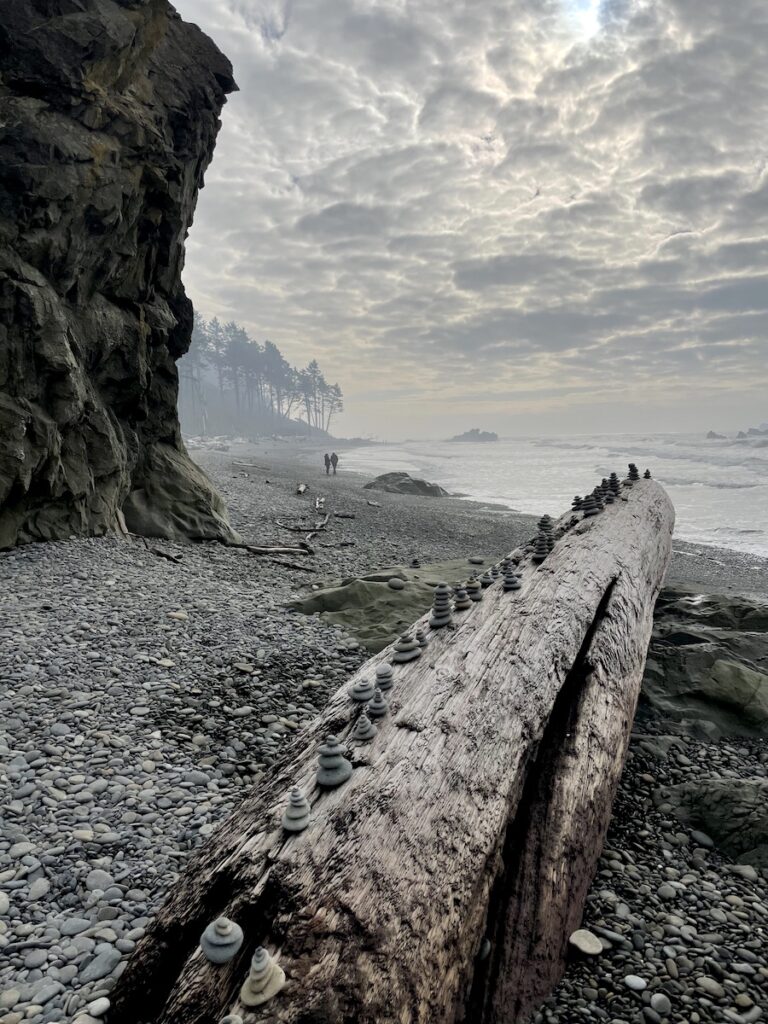
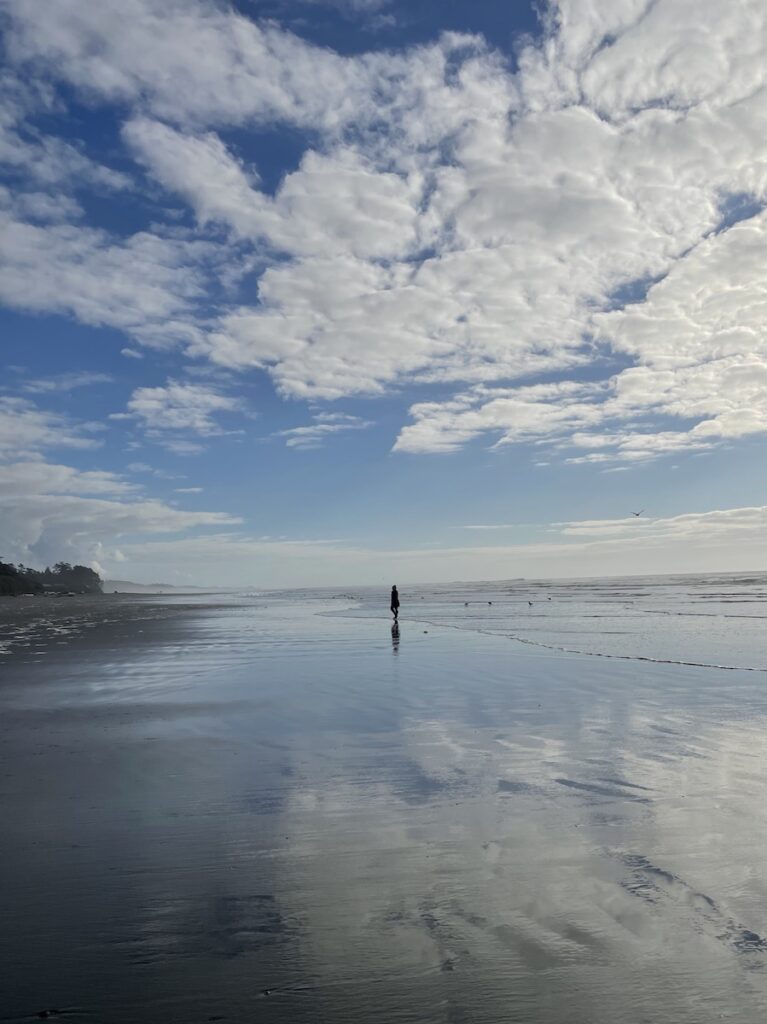
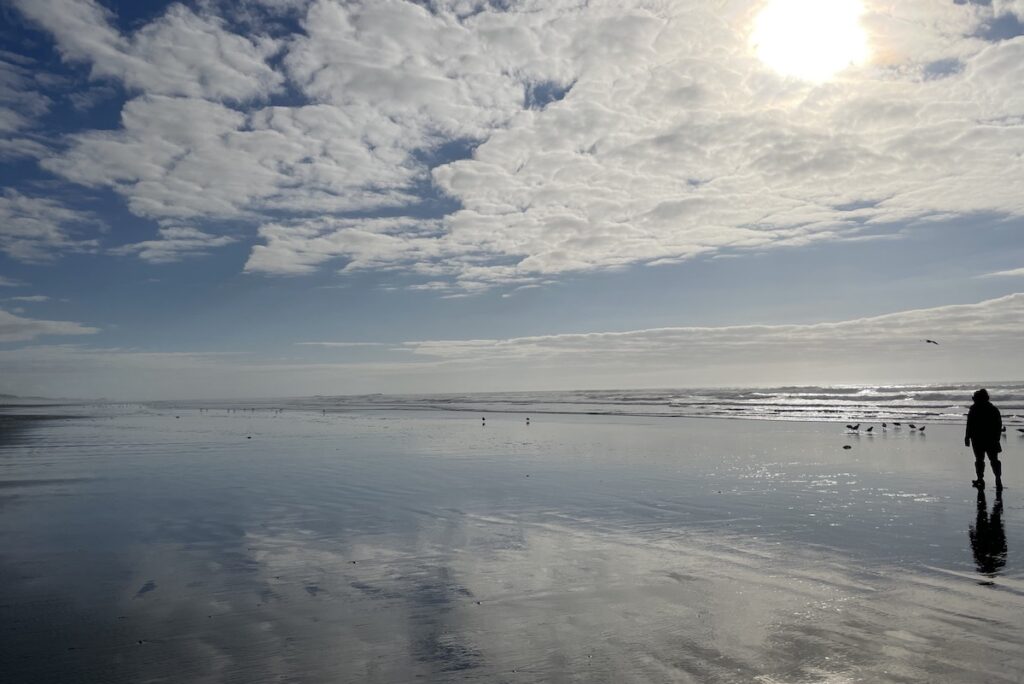
The Olympic Peninsula is home to some of the most dramatic coastline in the Pacific Northwest. Expect rugged beaches, giant sea stacks, driftwood-covered shores, tide pools, and moody weather that honestly just adds to the atmosphere.
Some of the most popular coastal spots include Ruby Beach, Rialto Beach, Kalaloch, Shi Shi Beach, and the beaches near La Push (First, Second, and Third Beach). Each beach feels a little different — some are easier quick stops right off the road, while others require longer hikes.
Rialto Beach is one of the most popular and easiest to access, while Shi Shi Beach takes more effort but is often considered one of the prettiest beaches in Washington. Ruby Beach is a great lower-effort stop with iconic Olympic Peninsula scenery and is especially beautiful around sunset.
If possible, try to visit at least one beach during low tide. This is when you’ll have access to tide pools, sea life, and areas that may otherwise be underwater.
Keep in mind that most beaches are part of Olympic National Park or are located on Indian Reservation, sometimes both, so be sure to have proper park passes.
Visit One Of The Peninsula’s Rainforests
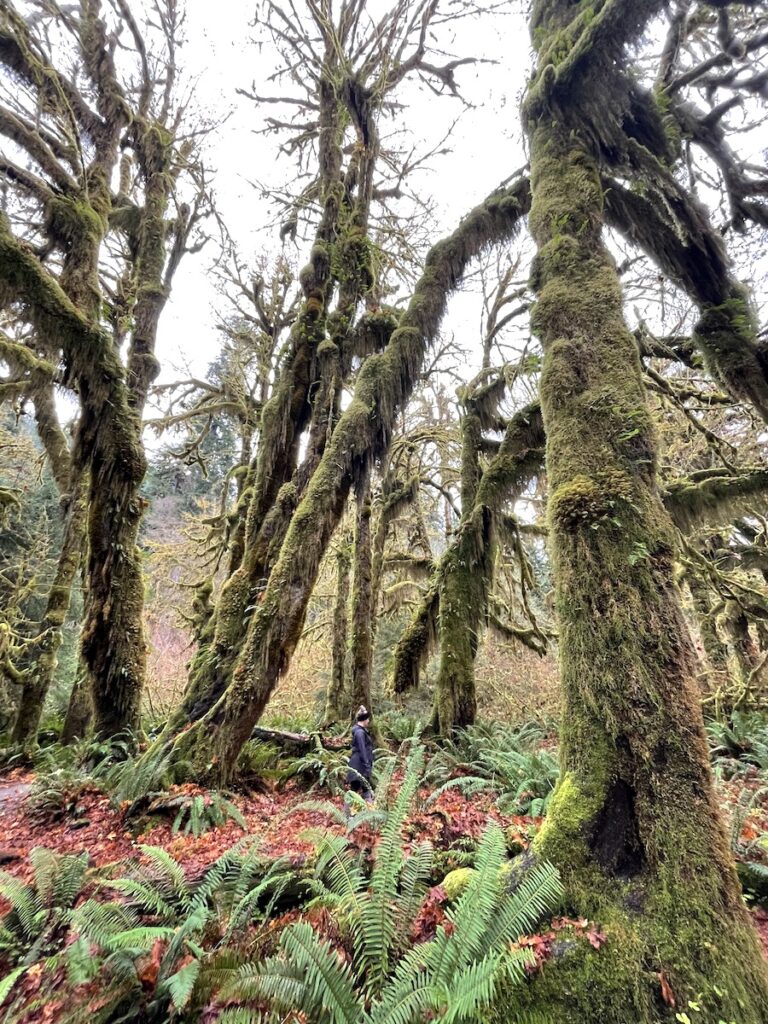
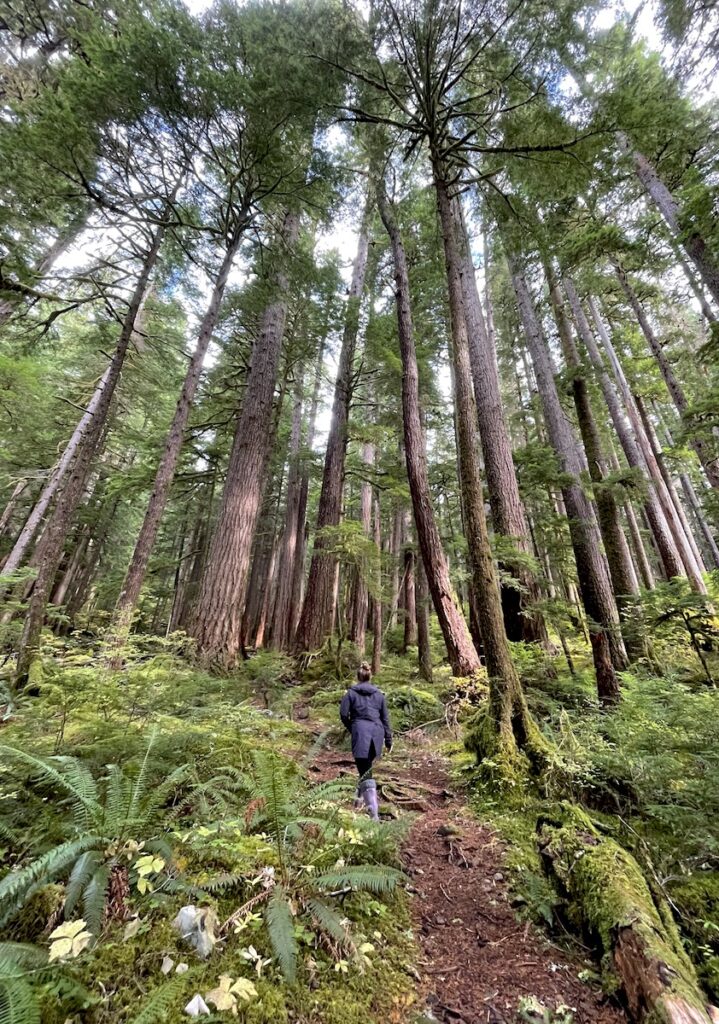
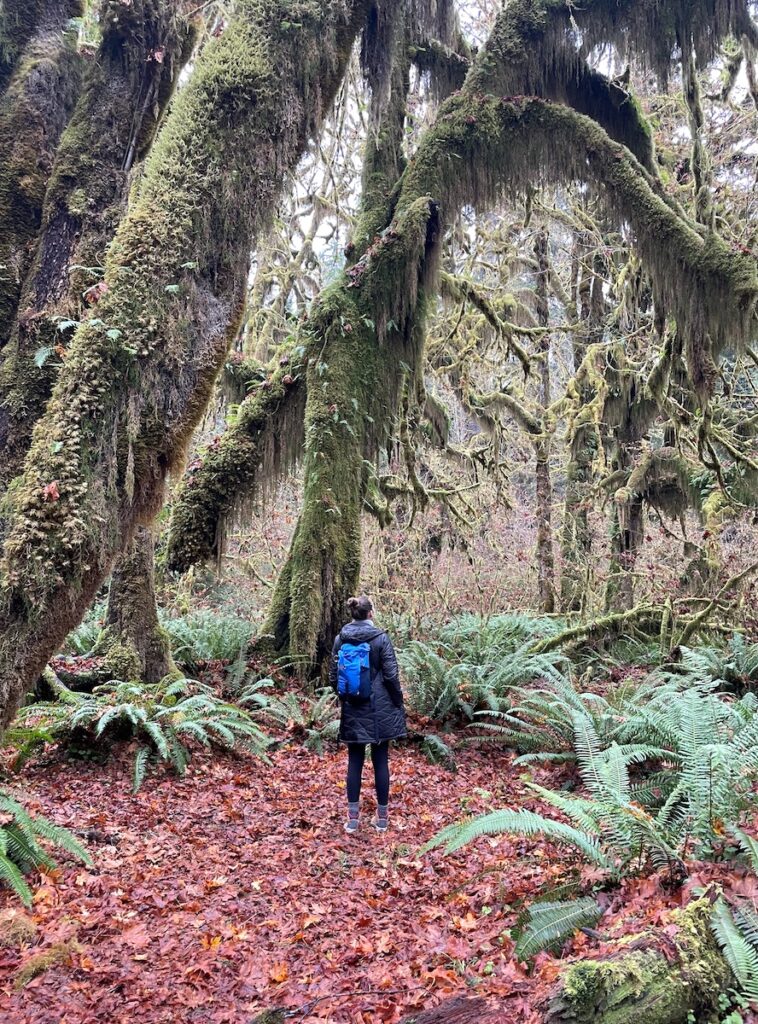
The Olympic Peninsula is home to several temperate rainforests, which is one of the main reasons this region feels so different from the rest of the United States. These forests are filled with moss-covered trees, ferns, fallen logs, and incredibly dense greenery that almost feels prehistoric.
The Hoh Rainforest is the most famous and usually the busiest as well. The Hall of Mosses and Spruce Nature Trail are both short, easy walks that give you a good feel for the landscape without requiring much hiking experience.
That said, the Hoh isn’t the only rainforest worth visiting. Quinault, Sol Duc, and Staircase all offer a similar lush rainforest atmosphere with fewer crowds in some cases. Sol Duc is especially easy to combine with waterfalls and hot springs, while Quinault works really well if you want a slightly slower-paced area with a historic lodge nearby.
Again, you’ll often need an Olympic National Park pass for these forests.
Cape Flattery
Cape Flattery is the northwestern-most point in the continental United States, and it’s one of the most impressive viewpoints on the Olympic Peninsula.
The scenery here feels dramatic even by Pacific Northwest standards — rugged cliffs, forested islands, crashing waves, and sea caves all packed into one viewpoint area. It’s remote and takes some effort to reach, but most people who make the drive end up feeling like it was worth it.
The walk to the viewpoint is fairly short (about 0.75 miles round trip), though parts of the trail can be muddy and slippery depending on recent weather.
You’ll need a Makah Recreation Pass to visit, which can typically be purchased in nearby Neah Bay. Bring cash just in case.
Visit The Makah Museum
If you’re already heading toward Cape Flattery, I’d definitely recommend stopping at the Makah Museum in Neah Bay as well.
The museum focuses on the history and culture of the Makah Tribe and includes artifacts recovered from the Ozette archaeological site, a Makah village that was preserved for centuries beneath a mudslide. It’s one of the most interesting cultural stops on the Olympic Peninsula and adds a lot more context to the region overall.
The exhibits include preserved tools, baskets, fishing equipment, canoes, and everyday items that help paint a picture of life on the Olympic Peninsula long before tourism existed here.
Port Townsend
Port Townsend is one of the prettiest towns on the Olympic Peninsula and feels very different from the more rugged western side of the region.
Located on the northeastern edge of the peninsula, this historic waterfront town is known for its Victorian architecture, small shops, waterfront views, and slower pace. It’s a really nice place to spend an afternoon if you want a break from constant hiking and driving.
You’ll find bookstores, coffee shops, restaurants, art galleries, and historic buildings throughout downtown, plus nearby Fort Worden State Park, which is worth visiting for beach walks, coastal views, and old military bunkers.
Compared to places like Forks or the coastal side of the peninsula, Port Townsend feels a little more polished and artsy while still maintaining that Pacific Northwest atmosphere.
If you’re visiting in September, the town also hosts the Wooden Boat Festival, which draws visitors from all over the region.
Dungeness Spit
Dungeness Spit is the longest natural sand spit in the United States and one of the more unique landscapes on the Olympic Peninsula.
The narrow stretch of land extends out into the Strait of Juan de Fuca for several miles and is especially popular for birdwatching, wildlife spotting, and longer beach walks.
This area feels much more open and dry compared to the rainforest portions of the peninsula, which again really highlights how varied the region is.
There’s an entrance fee to access the refuge area, and visitors should be prepared for a longer walk if planning to reach the lighthouse.
Explore Sequim
Sequim is one of the more underrated towns on the Olympic Peninsula and a great place to slow down for a bit during your trip.
Unlike much of the peninsula, Sequim sits within the Olympic rain shadow, meaning it gets significantly less rain than nearby areas. The weather here is often sunnier and drier, which gives the town a very different feel compared to places like Forks or the Hoh Rainforest.
Most people know Sequim for its lavender farms, but there’s more to do here than just that. You’ll also find wineries, cideries, small local restaurants, nearby beaches, biking routes, and easy access to places like Dungeness Spit.
This is a good option if you want a slightly slower-paced day or need a break from nonstop outdoor activities.
Sequim Lavender Fields
If you’re visiting in summer, the lavender fields in Sequim are definitely worth seeing.
Sequim is known as the Lavender Capital of North America, and peak bloom typically happens around mid-July. During this time, the fields are incredibly colorful and many farms host events, markets, and u-pick experiences.
Popular farms include Purple Haze, Jardin du Soleil, and B&B Lavender Farm. Many also sell things like lavender ice cream, soaps, oils, and locally made products.
Tip: arrive early, during peak season these farms get very busy.
Visit Lake Crescent & Lake Crescent Lodge
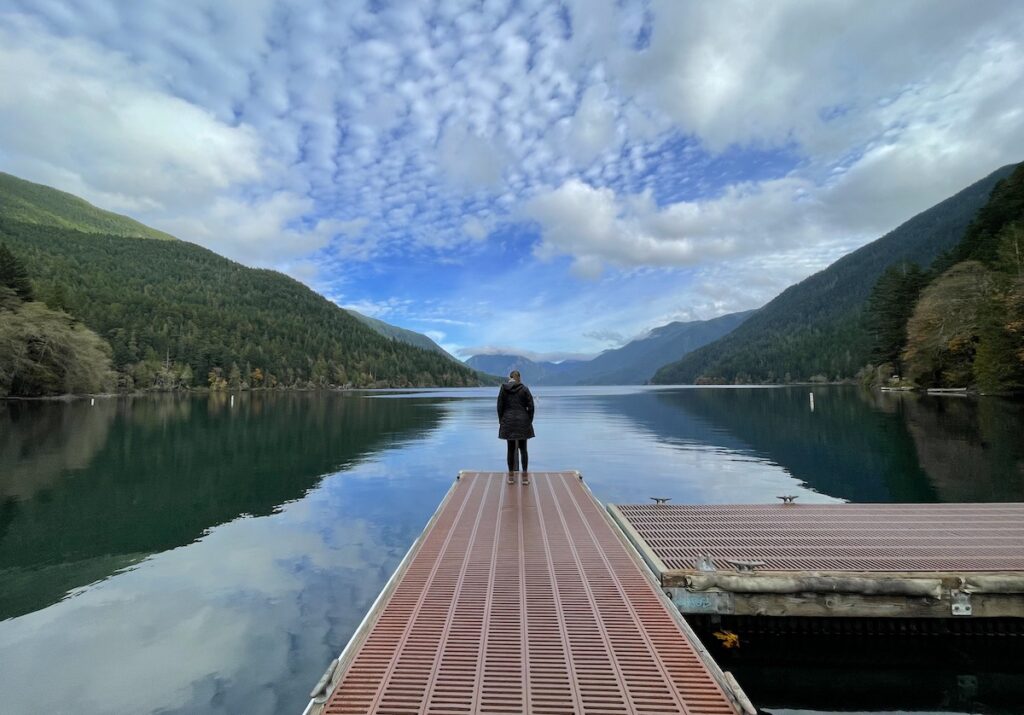
Lake Crescent is one of the most beautiful lakes on the Olympic Peninsula and easily one of the most photographed spots in Olympic National Park.
The lake is known for its incredibly clear blue water and mountain backdrop, and it works well whether you want to kayak, hike, relax by the shore, or simply stop for the views.
One of my favorite things to do here though is actually spending time at Lake Crescent Lodge. The historic lodge sits right along the water and has a very classic Pacific Northwest national park feel — cozy, relaxed, and scenic without feeling overly fancy.
Even if you’re not staying overnight, it’s worth stopping by for lunch, drinks, or simply sitting by the lake for a bit.
Nearby, you’ll also find easy attractions like Marymere Falls and the Spruce Railroad Trail.
Try Local Seafood & Restaurants
One of the best parts of visiting the Olympic Peninsula is honestly just eating your way around the region.
Seafood is a huge part of the culture here, especially oysters, salmon, chowder, and fresh fish. You’ll find everything from casual roadside seafood shacks to nicer waterfront restaurants throughout the peninsula.
The Hama Hama Oyster Saloon along Hood Canal is probably one of the most famous food stops in the region and is especially popular in summer. Port Angeles, Port Townsend, and Sequim also all have solid restaurant and brewery scenes that are worth building into your itinerary.
Go Wine Tasting
The Olympic Peninsula probably isn’t the first place most people think of for wine tasting, but there are actually several wineries, cideries, and tasting rooms throughout the region — especially around Sequim, Port Townsend, and Port Angeles.
This is a really nice activity if you want something lower effort for an afternoon or need a break from hiking and driving. A lot of the tasting rooms have mountain, forest, or water views, which makes the experience feel very Pacific Northwest.
Bike The Olympic Discovery Trail
The Olympic Discovery Trail stretches across a huge portion of the peninsula and is one of the best ways to experience the variety of landscapes found here.
The full trail spans well over 100 miles, though most visitors just bike smaller sections rather than attempting the entire route.
Depending on where you ride, you’ll pass coastline, forests, small towns, farmland, rivers, and mountain views. Some sections are paved and very beginner-friendly, while others are more rugged.
Even if you’re not a serious cyclist, renting bikes for a shorter scenic section can be a really fun activity.
Lake Cushman
Lake Cushman is a really popular summer destination on the southern side of the Olympic Peninsula and a great option if you want more lake-focused outdoor activities.
People come here for swimming, kayaking, paddle boarding, boating, and relaxing along the water. The bright blue-green water surrounded by forested hills feels very different from the rugged coastline found elsewhere on the peninsula.
There are also several nearby hiking trails ranging from easier walks to more challenging climbs like Mount Ellinor.
In summer especially, this area gets busy with both visitors and locals, so arriving earlier in the day helps.
Join A Boat Tour On Lake Quinault
Lake Quinault is one of the quieter areas on the Olympic Peninsula and works really well if you want a slower-paced rainforest experience.
One of the more unique activities here is taking a guided boat tour across the lake. Tours leave from Lake Quinault Lodge and include information about the area’s ecosystem, history, and wildlife.
Wildlife sightings are fairly common here as well, especially bald eagles and osprey.
Sunset, daybreak, and afternoon tours run from June through early September and should be booked in advance. Check availability at Lake Quinault Boat Tours.
Visit One Of The Peninsula’s Waterfalls
The Olympic Peninsula is home to a huge number of waterfalls thanks to the region’s constant rain, rivers, and mountainous terrain.
Some of the most popular waterfalls include Sol Duc Falls, Marymere Falls, Madison Falls, and Rocky Brook Falls.
Many of these are fairly easy to access and don’t require major hikes, which makes them easy additions to a road trip itinerary.
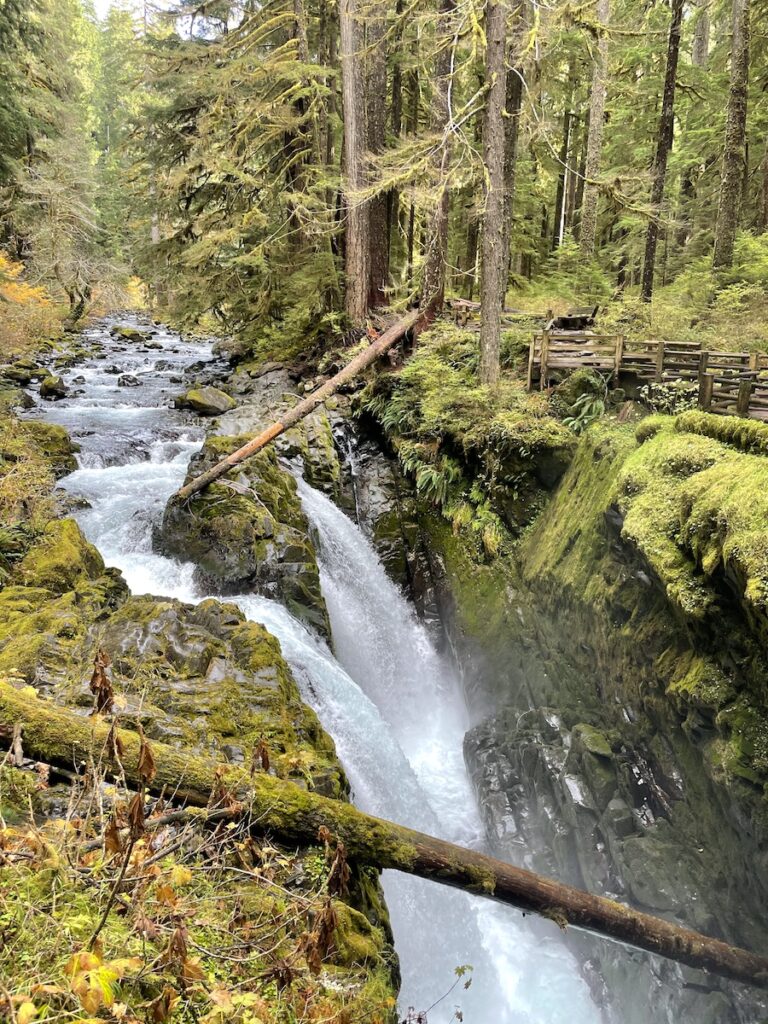
Sol Duc Falls is probably the most iconic, with multiple streams of water crashing through a narrow canyon surrounded by dense moss-covered forest.
If you’re visiting after heavy rain, waterfalls throughout the peninsula become especially impressive.
Explore Port Angeles
Port Angeles is one of the main towns on the Olympic Peninsula and probably the most practical base for exploring the northern side of the peninsula.
Compared to smaller towns nearby, Port Angeles has more restaurants, grocery stores, coffee shops, hotels, breweries, and general services, which makes it a really convenient place to stay.
The town itself sits right along the Strait of Juan de Fuca, so there are a lot of waterfront views throughout the area.
Day Trip To Victoria, British Columbia
One of the coolest things about the Olympic Peninsula is how easy it is to visit Canada during your trip.
From Port Angeles, you can take the Black Ball Ferry to Victoria, British Columbia in about 90 minutes. Victoria feels very different from the Olympic Peninsula itself — more polished, historic, and city-like while still maintaining a strong coastal atmosphere.
Popular things to do include visiting Butchart Gardens, walking around the Inner Harbour, exploring Chinatown, and visiting local tea shops, restaurants, and bookstores.
You definitely do not need a car for a day trip. Victoria is extremely walkable once you arrive.
Don’t forget your passport.
Twilight Tour In Forks & La Push
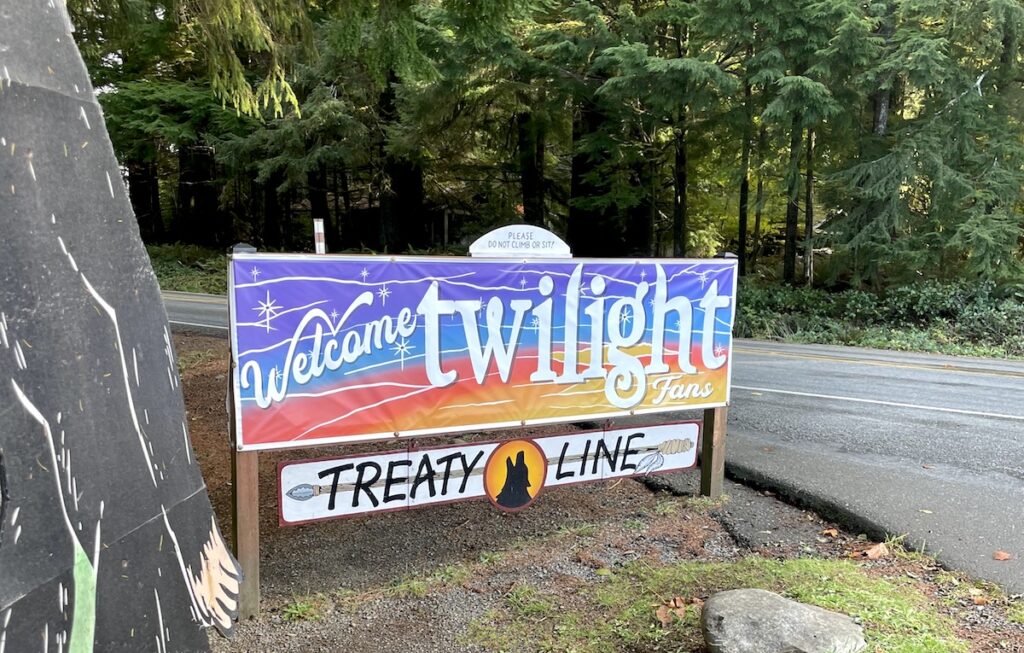
Even though the Twilight movies weren’t actually filmed in Forks, the town has fully embraced its connection to the books, and it’s become a really popular stop for fans.
You’ll find themed attractions, photo opportunities, visitor maps, and nearby filming-inspired locations throughout Forks and La Push.
Even if you aren’t a huge Twilight fan, this area is still worth visiting because the surrounding scenery is beautiful. La Push and the nearby beaches have that moody Pacific Northwest atmosphere people associate with the series.
Forks itself is fairly small and doesn’t require a ton of time, but it’s a common stop while exploring the western side of the peninsula.
For a more detailed breakdown of the different Twilight stops around the Olympic Peninsula, check out my Self-Guided Twilight Tour Guide.
Tour The Historic Lighthouses At Cape Disappointment
Located near the southern edge of the peninsula region, Cape Disappointment is home to two historic lighthouses overlooking the Pacific Ocean.
North Head Lighthouse is the easier of the two to access and only requires a short walk from the parking area. Cape Disappointment Lighthouse takes more effort to reach but offers dramatic coastal views along the way.
This area is known for rough ocean conditions and maritime history, particularly where the Columbia River meets the Pacific Ocean.
If you enjoy coastal scenery, history, and stormy Pacific Northwest landscapes, this area is definitely worth adding to your trip.
Visit Olympic National Park
Olympic National Park covers a huge portion of the Olympic Peninsula and is nearly impossible to avoid while visiting — which is why it’s naturally crept into several of the sections above. The park is popular because it protects such a wide variety of landscapes all within a relatively small area, including rugged coastline, temperate rainforest, alpine mountains, glacier-fed lakes, and waterfalls. It’s really a remarkable park.
A few of the most popular things to do in Olympic National Park include:
- Visiting the Hoh Rainforest and walking the Hall of Mosses
- Exploring beaches like Ruby Beach and Rialto Beach
- Driving up to Hurricane Ridge for mountain views and hiking
- Visiting Lake Crescent and nearby Marymere Falls
- Hiking to Sol Duc Falls and soaking in the nearby hot springs
For a more detailed breakdown of things to do, plus planning tips, check out my guide to the Best Things To Do In Olympic National Park.
One important thing to know is that Olympic National Park requires a paid entrance pass. Also, some of the park’s most popular areas — especially the Hoh Rainforest — can get extremely crowded during summer and should be visited as early in the morning as possible for parking and a better overall experience.
The Olympic Peninsula is a place that keeps drawing you back. With so much to see — from rugged coastlines to mossy forests — it’s a destination that delivers year-round and is one you won’t be soon to forget.
I hope this guide helps you plan your trip and have the best time! Any questions? Please leave a comment below or reach out on social media.
Looking for more ideas? Below are additional Olympic Peninsula and Pacific Northwest guides or head on over to Visit The Olympic Peninsula!
More Information For Your Olympic Peninsula Vacation:
Olympic National Park Guides:
- Best Things To Do In Olympic National Park
- Olympic National Park 3-Day Itinerary
- Top Hoh Rainforest Hikes
- All Olympic National Park Guides
Pin for later!



Great photos in this post!
Thank you!