
Best Things To Do In Olympic National Park

Olympic National Park is one of the most diverse national parks in the United States. Within a single trip, you can experience temperate rainforest, rugged coastline, alpine mountain views, glacial lakes, waterfalls, and hot springs — sometimes all within the same day.
But Olympic is also a little more complicated to visit than many other national parks. The park is enormous, attractions are spread far apart, and driving times are often much longer than visitors expect. To help make trip planning easier, I’ve organized this guide by region of the park, including Western Olympic, Central / Northern Olympic, the mountain areas, Southern Olympic, and activities found throughout the park.
One important thing to know before visiting is that conditions change constantly here. You might experience sunshine at Hurricane Ridge, rain in the Hoh Rainforest, and fog along the coast all in the same day. Cell service is also very limited throughout much of the park, so downloading offline maps ahead of time is strongly recommended.
Here are the best things to do in Olympic National Park.
Best Things To Do In Olympic National Park
Rainforest & Beaches: Western Olympic
Hoh Rainforest
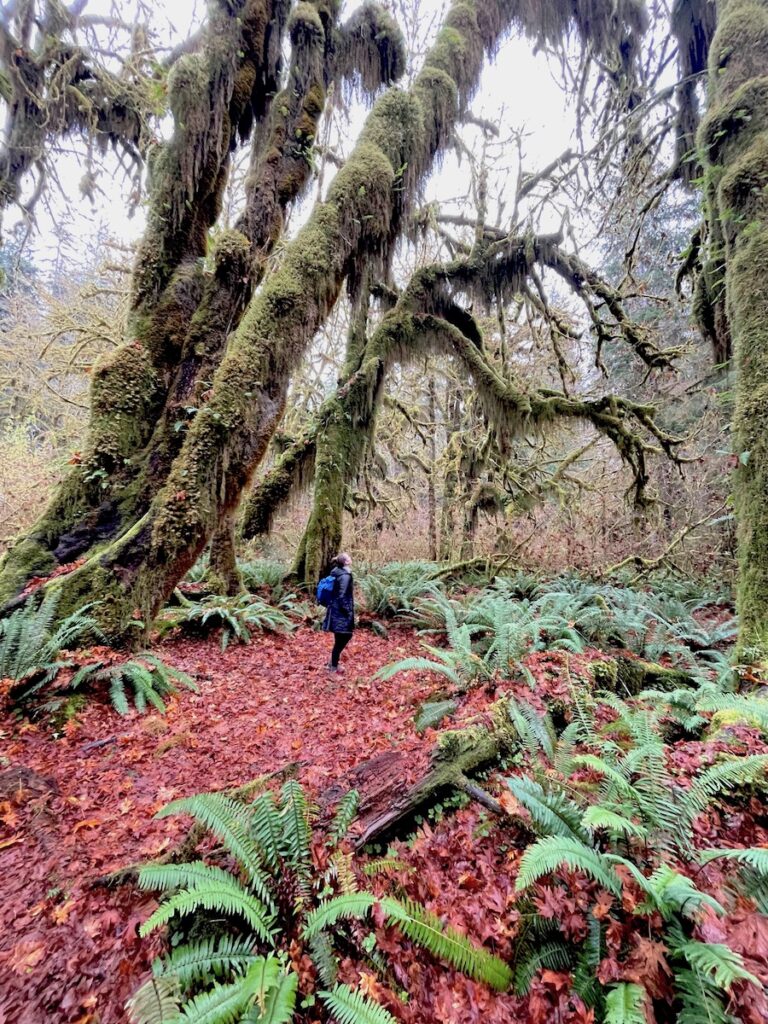
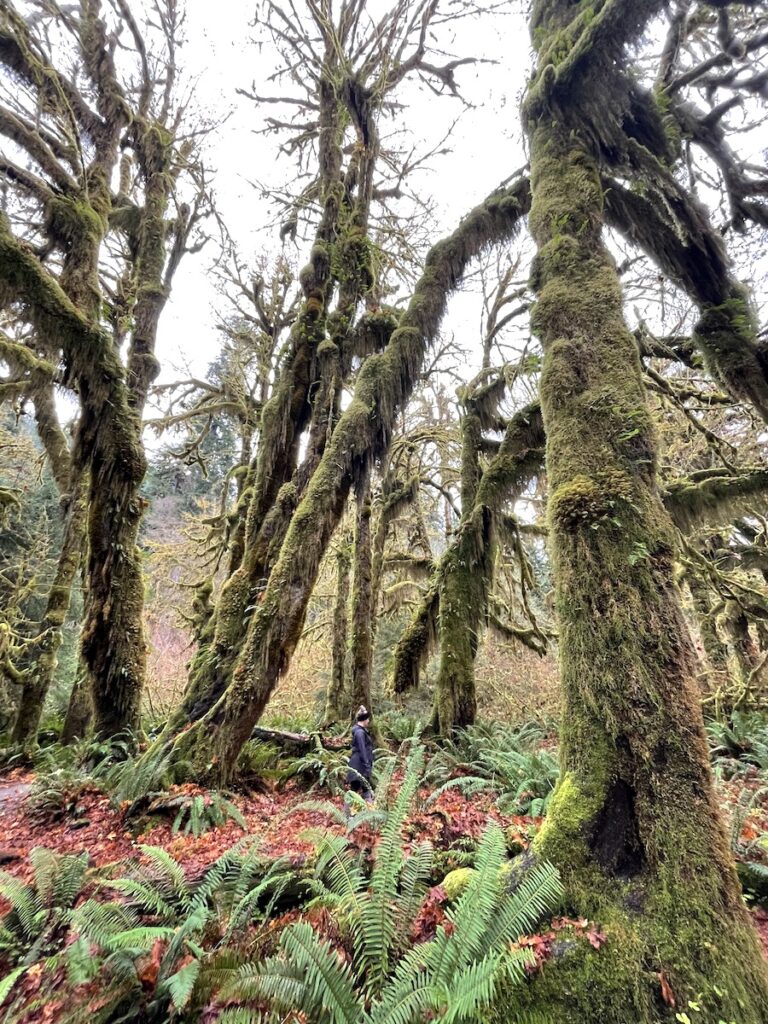
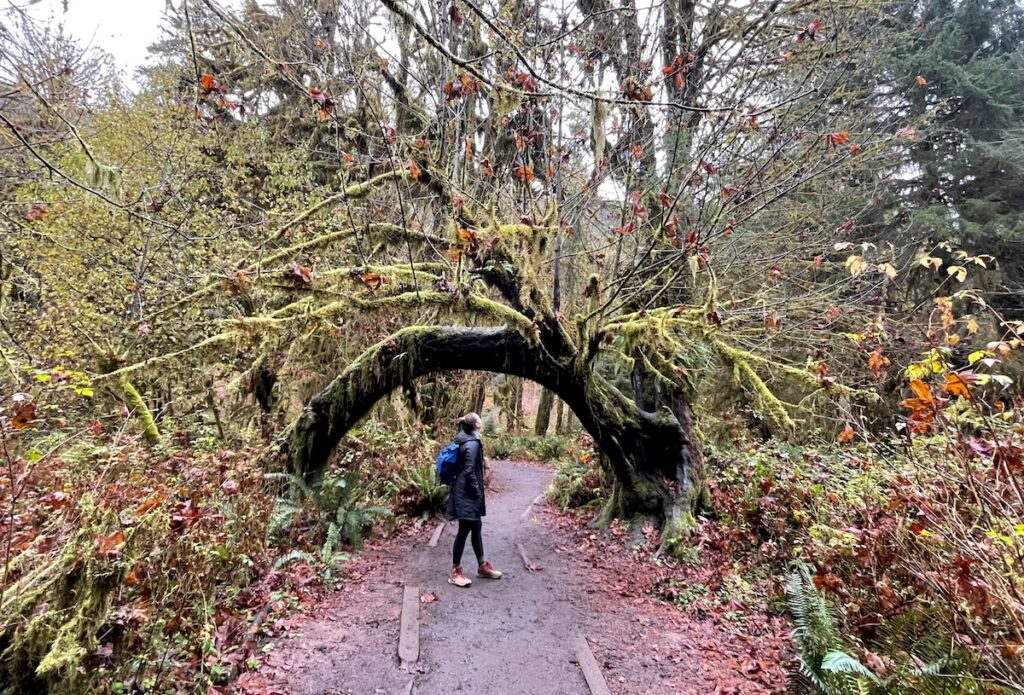
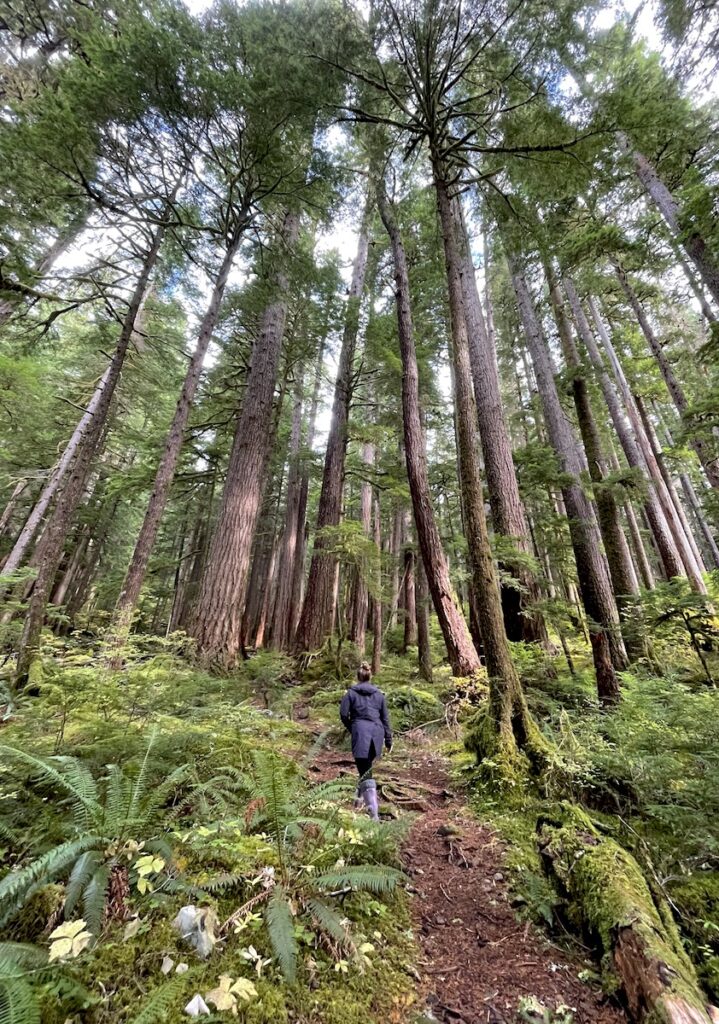
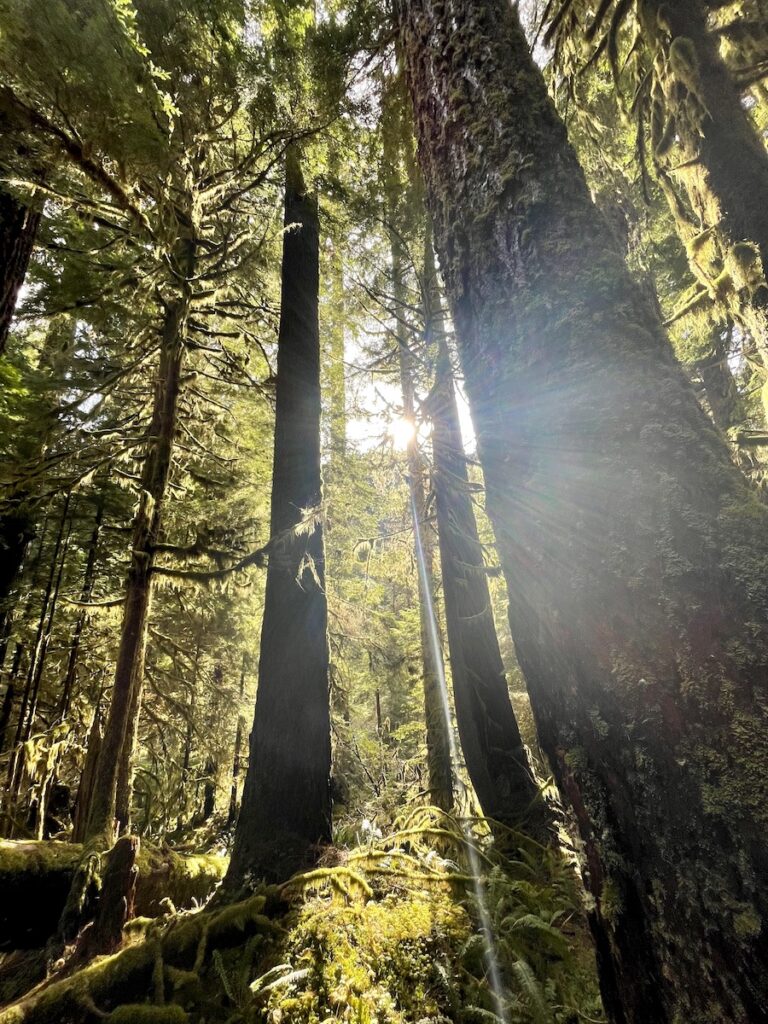
The Hoh Rainforest is one of the most unique areas in Olympic National Park and easily one of the most unusual landscapes in the United States. Thick moss hangs from massive trees, ferns cover the forest floor, and nearly everything feels damp, green, and incredibly peaceful. It’s one of the largest temperate rainforests in the U.S. and receives an enormous amount of rainfall each year, creating the lush environment the area is known for.
Most visitors spend a few hours here walking the shorter trails, but you could easily spend much longer if you enjoy hiking or photography. The Hoh Rainforest is also one of the busiest areas in Olympic National Park during summer, and long entrance lines are common even in the morning. Arriving early by 6 am on weekends and 7 am on weekdays is strongly recommended. Off season visitors will have a much quieter experience.
Even in summer, expect muddy trails, cooler temperatures, and wet conditions. Cell service is very limited here, so it’s a good idea to download maps ahead of time.
Hall of Mosses and Spruce Nature Trail are the most popular hikes here and can easily be connected into one longer hike. For more details, check out my guide to the Best Hikes In The Hoh Rainforest.

Visit The Beaches
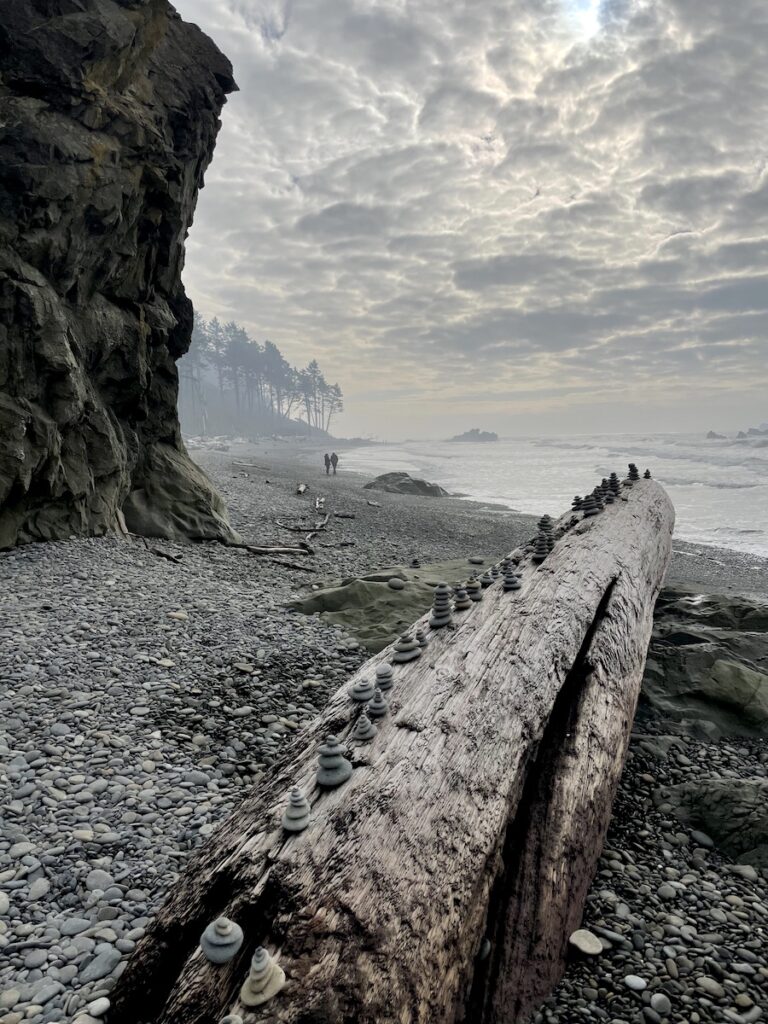
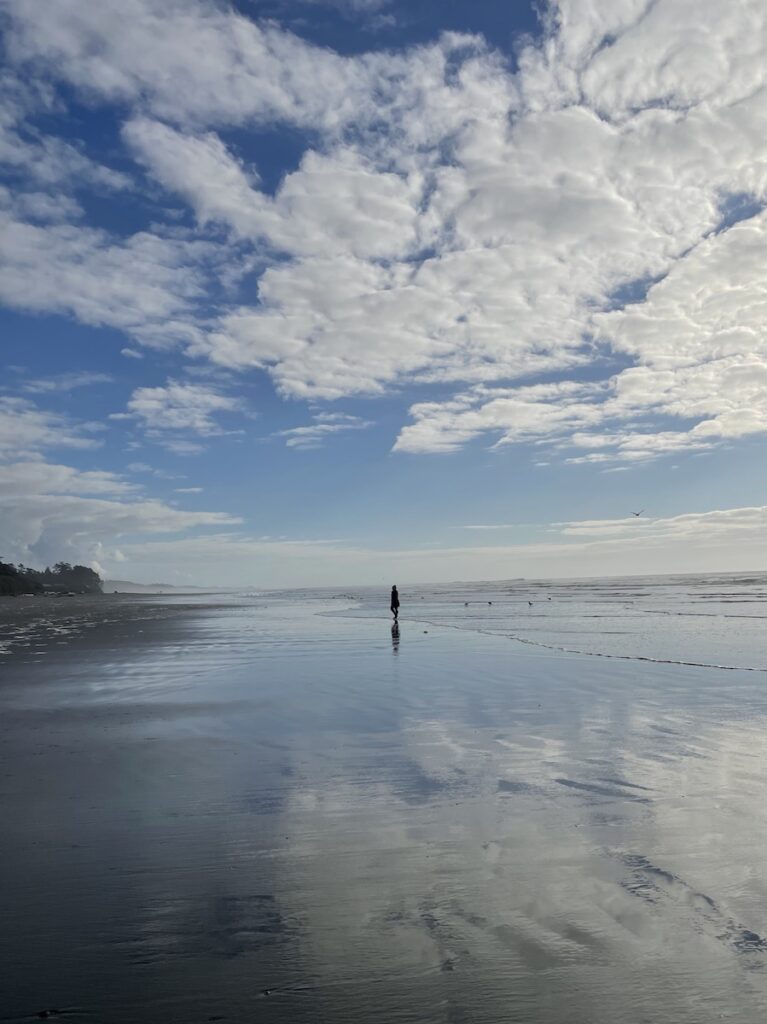
Olympic National Park’s beaches are completely different from the typical sandy beaches. Instead of wide open swimming beaches, you’ll find rugged coastlines filled with massive driftwood, sea stacks, tide pools, and dramatic ocean views.
These beaches are some of the most beautiful parts of the park and are especially popular for photography, short hikes, tidepooling, and sunset views. Just remember, fog, wind, and cooler temperatures are common year-round, even during summer.
One important thing to know: tides matter here. Some beaches and coastal hikes become difficult or unsafe during high tide. Checking tide charts before visiting is extremely important. You can also stop by a visitor center and speak with a park ranger for guidance.
Beaches 1 – 4 & Kalaloch Tree Of Life
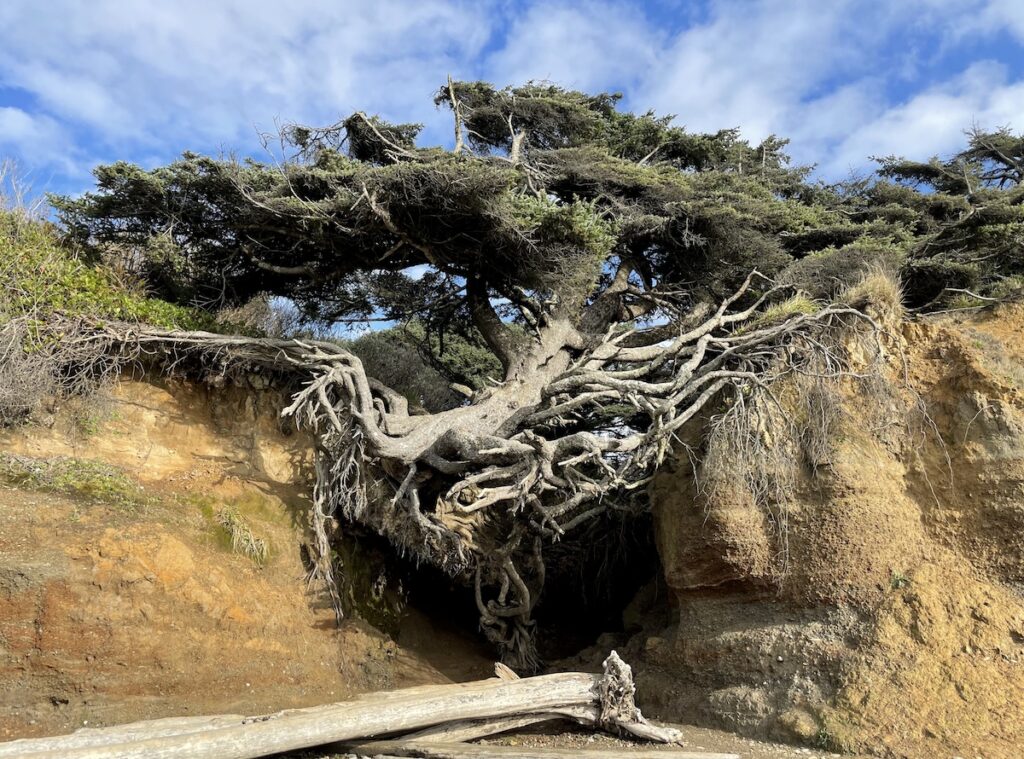
The Kalaloch Beaches are some of the easiest beaches to access in Olympic National Park and are known for their rugged coastline, driftwood-covered shores, and moody scenery. The famous Tree of Life at Kalaloch Beach has become one of the park’s most photographed spots.
Ruby Beach
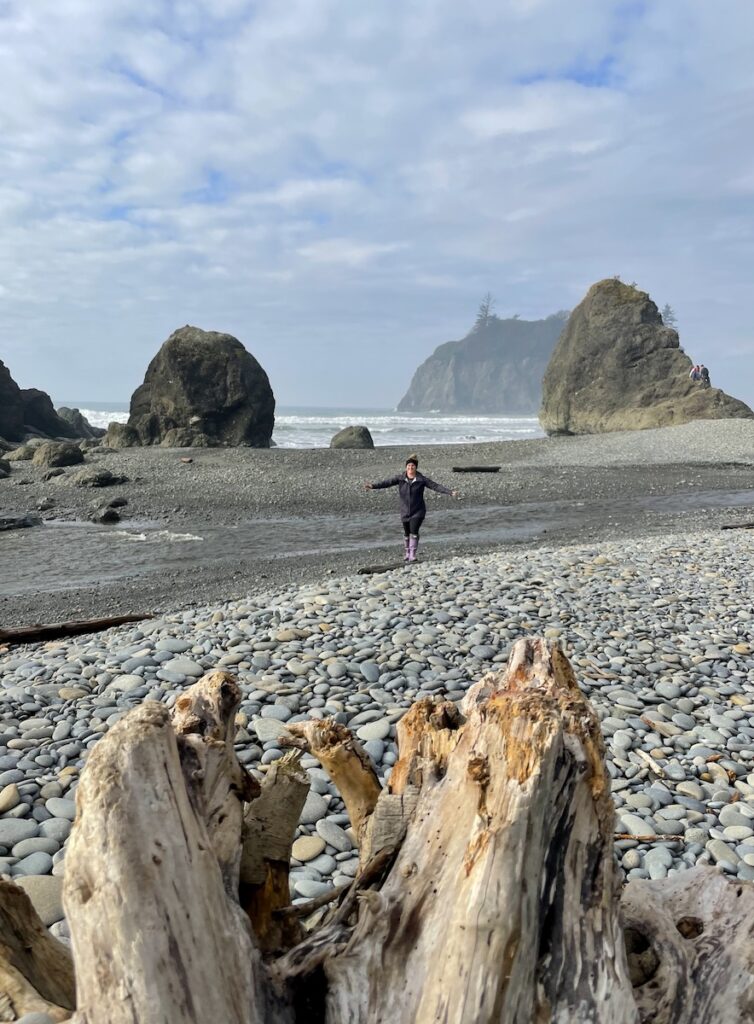
Ruby Beach is one of Olympic National Park’s most iconic beaches, known for its sea stacks, tide pools, and dramatic shoreline. A short walk leads down to the beach, where you can explore the rocky coast and enjoy some of the park’s most memorable coastal scenery.
First, Second, Third & Rialto Beach
These beaches near La Push each offer slightly different experiences, from easy beach access at First Beach to longer hikes at Second and Third Beach. Rialto Beach is especially popular for the hike to Hole-in-the-Wall, which should only be attempted during safe low tide conditions.
Shi Shi Beach
Shi Shi Beach is one of the most remote and beautiful beaches in Olympic National Park, with rugged coastline and the famous Point of Arches sea stacks. Getting here requires a longer, often muddy hike, and visitors will need a Makah Recreation Pass in addition to their NPS pass to access the area.
Ozette Area & Ozette Lake
The Ozette area is one of the more remote sections of Olympic National Park and is especially popular with hikers looking for a quieter experience. The area is known for its forested boardwalk trails, rugged coastline, and access to beautiful coastal scenery.
Many visitors come here to hike parts of the Ozette Triangle, a well-known loop that combines forest trails with dramatic coastal views. The long boardwalk sections help protect the fragile environment, though they can become slippery when wet.
Because of how remote this area is, services and cell signal are very limited. It takes longer to reach than many other areas of Olympic National Park, but that extra effort is part of what makes it feel so peaceful and less crowded.
Central / Northern Olympic
Lake Crescent
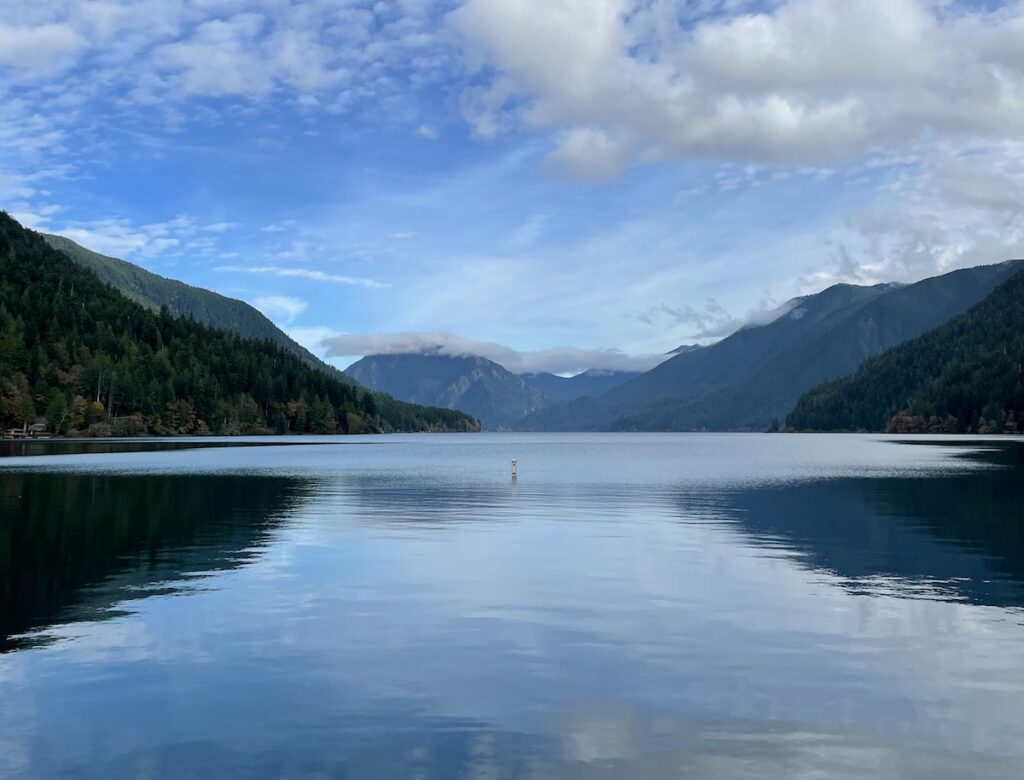
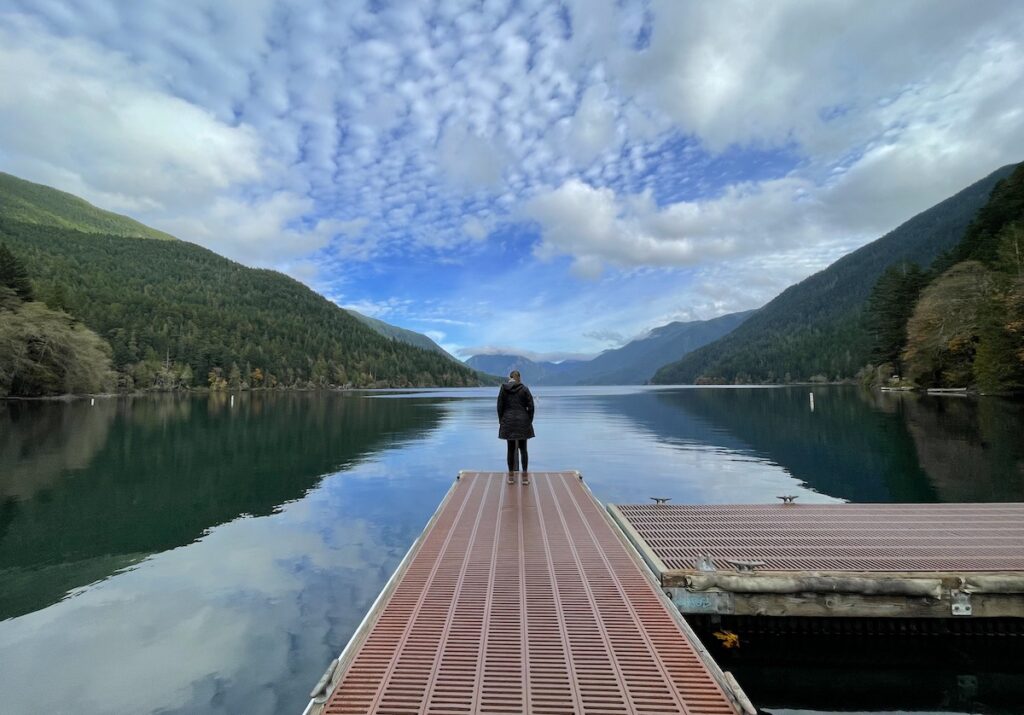
Lake Crescent is one of the most beautiful and easily accessible areas in Olympic National Park. This deep glacial lake is known for its incredible blue water, surrounding mountain scenery, and peaceful atmosphere.
There’s a lot to do here, including kayaking, hiking, swimming, relaxing along the shoreline, and visiting nearby waterfalls. The water stays very cold year-round, even during summer, but on a warm day it’s still a lovely place to spend a few hours.
Lake Crescent is located directly off Highway 101, making it a very popular stop while exploring the northern side of Olympic National Park. Parking near Lake Crescent Lodge and the main trailheads can fill quickly during summer weekends.
Kayaking Lake Crescent
Kayaking is one of the most popular activities on Lake Crescent and a really fun way to spend a morning in Olympic National Park. Calm mornings often provide the best conditions, with smoother water and fewer people on the lake.
Kayaks can be rented directly from Lake Crescent Lodge during the summer season.
Marymere Falls
Marymere Falls is one of the park’s most popular short waterfall hikes and is located near Lake Crescent. The trail winds through mossy forest before reaching a scenic waterfall cascading down a narrow rock wall.
The hike is about 1.8 miles round trip and is considered easy to moderate, though there are some stairs near the end. Parking is shared with nearby Lake Crescent trails and can become very busy during summer.
Elwha Valley
The Elwha Valley is a quieter section of Olympic National Park known for its river scenery, forested landscapes, and ecological restoration story. This area was once home to two large dams, which were removed as part of one of the biggest ecosystem restoration projects in U.S. history.
Today, visitors come here for hiking, river views, wildlife spotting, and a more peaceful experience away from some of the park’s busiest areas. The valley is easily accessible from Port Angeles and works well as a slower-paced stop while exploring the northern side of the park.
Madison Falls
Madison Falls is one of the easiest waterfalls to visit in Olympic National Park. A short paved path leads to the waterfall, making it a great option for families, quick stops, or visitors looking for something accessible.
Because it’s located in the Elwha Valley, Madison Falls is very easy to combine with other nearby stops in this area of the park.
Sol Duc Falls
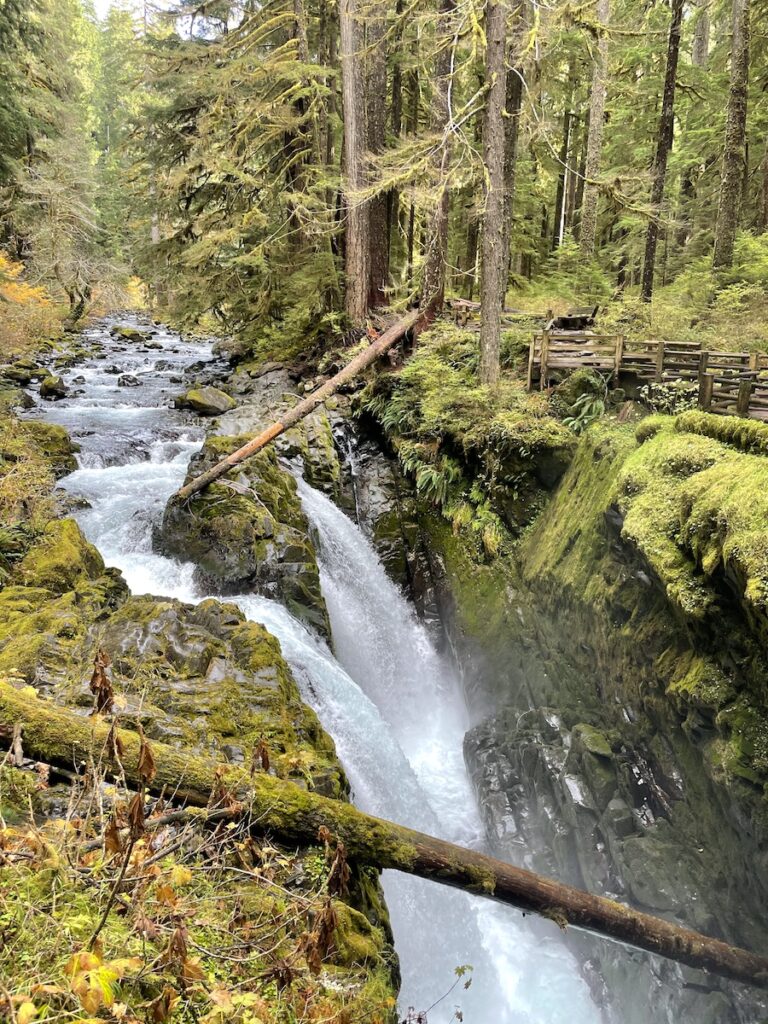
Sol Duc Falls is one of the most famous waterfalls in Olympic National Park and is absolutely worth visiting. The waterfall splits into multiple channels as it crashes through a narrow canyon, creating one of the park’s most dramatic waterfall views.
The hike to the falls is about 1.6 miles round trip and is considered easy to moderate. The trail passes through beautiful forest scenery and can be muddy or slippery during wet weather.
Sol Duc Hot Springs
Sol Duc Hot Springs is a developed hot springs resort area located near Sol Duc Falls. The mineral pools are a popular place to relax after hiking or spending long days exploring Olympic National Park.
This is not a remote natural hot spring experience, but rather a resort-style facility with multiple soaking pools and amenities. Reservations are recommended during peak summer season, you can find booking information at Sol Duc Hot Springs.
Salmon Cascades
Salmon Cascades is a roadside stop along Sol Duc Road where visitors can sometimes watch salmon jumping upstream during spawning season. Elevated viewing platforms overlook the river, making this an easy, quick stop if you’re already exploring the Sol Duc area.
Wildlife sightings are never guaranteed, but during the right season it can be a really interesting to witness the salmon swimming upstream.
- Coho salmon: September – October
- Steelhead trout: late March – May
Mountain Area (Near Central Olympic)
Hurricane Ridge
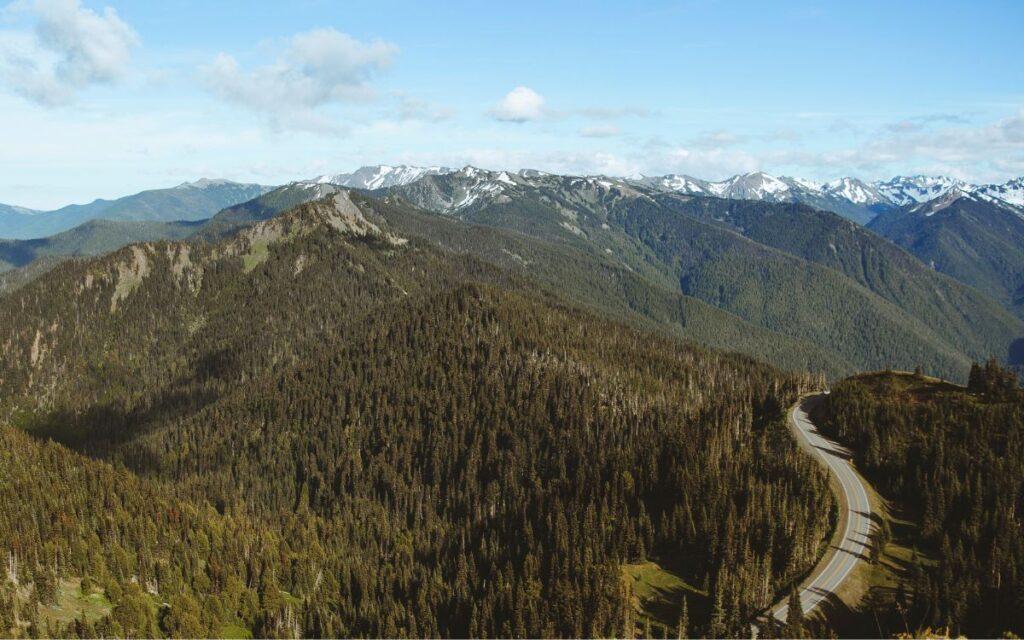
Hurricane Ridge is one of the most famous areas in Olympic National Park and offers some of the park’s best mountain views. On a clear day, you’ll see sweeping views of the Olympic Mountains, alpine meadows, and even parts of the Strait of Juan de Fuca in the distance.
This area is popular for scenic viewpoints, hiking, wildlife spotting, snow activities in winter, and sunset views. Even visitors who don’t plan to hike can still experience some of the park’s best mountain scenery with very little effort.
Weather conditions at Hurricane Ridge can change quickly and are often much colder and windier than lower elevations in the park. Fog and cloud cover can completely block the views, so it’s always a good idea to check conditions before driving up.
Summer parking fills quickly, especially on weekends. The road is open year-round, but in winter it’s typically only accessible Friday through Sunday, weather permitting.
Southern Olympic
Lake Quinault
Lake Quinault is a quieter and less crowded area of Olympic National Park filled with lush rainforest scenery, peaceful atmosphere, and scenic lake views. Surrounded by forested hills and moss-covered trees, this area feels slower-paced than some of the park’s busier destinations.
Visitors come here for hiking, kayaking, scenic drives, and relaxing along the shoreline. The area is also home to the historic Lake Quinault Lodge, which makes a beautiful stop even if you aren’t staying overnight.
Because it’s located directly off Highway 101, Lake Quinault is an easy addition to an Olympic Peninsula road trip. The weather here is often rainy and misty, even during summer, so waterproof layers are always a good idea.
Join Boat Tour Of Lake Quinault
This is technically outside the park, but worth considering during your visit.
Hop aboard a guided boat tour at Lake Quinault Lodge and learn about the local ecosystem, tribal history, and the Quinault Rainforest. Wildlife sightings are fairly common as well, often including bald eagles, otters, and osprey.
Daybreak, afternoon, and sunset tours run from June through early September. Check availability at Lake Quinault Boat Tours.
Activities Throughout The Park
Join A Ranger Program
Ranger programs are a great way to learn more about Olympic National Park’s unique ecosystems, wildlife, and history. Depending on the season, programs may include guided walks, educational talks, tidepool programs, campground presentations, and family-friendly activities.
Offerings vary throughout the park and are most common during the busy summer season. Schedules can change frequently, so it’s best to check current program information at visitor centers or on the park’s website (Olympic Ranger Programs) before your visit.
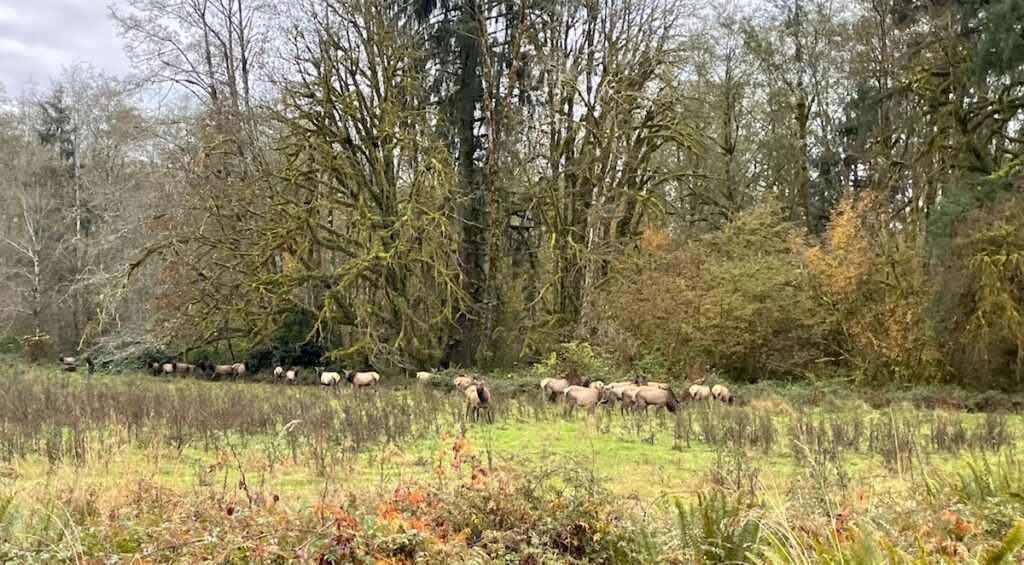
Watch For Wildlife
Olympic National Park is home to a wide variety of wildlife thanks to its diverse landscapes, from rainforest and coastline to alpine environments. Visitors may spot Roosevelt elk, black bears, bald eagles, marmots, deer, tidepool creatures, and even whales along the coast during certain times of year.
Early morning and evening are generally the best times for wildlife viewing. As always, give animals plenty of space and never feed wildlife.
Scenic Drive
Driving through Olympic National Park is a major part of the experience. The park is enormous and spread across several very different ecosystems, so many visitors spend a significant amount of time driving between destinations.
The roads themselves are incredibly scenic, with constantly changing views of mountains, forests, lakes, rivers, and coastline. Just remember that driving times in Olympic National Park are often much longer than visitors expect due to winding two-lane roads, changing weather, and the park’s remote nature. Cell service is limited in many areas, so downloading offline maps ahead of time is strongly recommended.
Visitor Centers
Olympic National Park’s visitor centers are helpful stops for current trail conditions, weather updates, tide information, maps, and ranger recommendations. Because conditions throughout the park can change quickly, checking in before heading to beaches, hikes, or mountain areas can be very useful.
Visitor center hours vary seasonally, and are limited outside of summer.
Below are some of the main visitor centers and ranger stations throughout the park:
- Olympic National Park Visitor Center (Port Angeles)
- Hoh Rain Forest Visitor Center
- Hurricane Ridge Visitor Center (burned down in 2023 fire / temporary service station set up in the meantime)
- Kalaloch Ranger Station
- Quinault Rain Forest Ranger Station
Stargazing
Olympic National Park can offer incredible stargazing thanks to its remote location and low levels of light pollution. Beaches, campgrounds, and mountain areas like Hurricane Ridge can all offer excellent night sky views on clear evenings.
That said, weather plays a huge role here. Cloud cover and coastal fog are very common, even during summer, so conditions can change quickly. Temperatures also drop significantly after sunset, so warm layers are important.
Camping
Camping is one of the best ways to experience Olympic National Park’s quieter side, whether that means waking up near the rainforest, staying close to the beaches, or spending the night surrounded by forest scenery.
The park offers a mix of developed campgrounds, backcountry camping, and coastal camping opportunities. Summer reservations fill quickly, especially at popular campgrounds like Kalaloch, Sol Duc, and Hoh, so booking early is highly recommended. Conditions can remain wet and muddy year-round, even outside of the rainiest months.
Olympic National Park is one of the most unique and diverse national parks in the United States, and there’s truly something for every type of traveler. From rainforest hikes and rugged beaches to mountain views and peaceful lakes, these are some of the very best things to do in Olympic National Park.
I hope this guide has helped you plan your trip and better understand how to explore the park. Have an amazing time visiting Olympic National Park!
Any questions? Please leave a comment below or reach out on social media.
Looking for more ideas? Check out my additional Olympic National Park and Olympic Peninsula guides below.
Olympic National Park Guides:
More For Your Olympic Peninsula Vacation:
Pin for later!



Keep Up With Amy!
Subscribe to the newsletter for the latest updates in your inbox. And don’t forget to connect on your favorite social platform!
Thank you!
You have successfully joined our subscriber list.