
21 Warmest National Parks In Winter

Looking for a warm weather getaway for the upcoming winter months?
For those who wish to forget the bulky winter gear, pass on cross-country skiing and snow-capped mountains, and instead opt for shorts and snorkel gear, check out these warm national parks in winter.
From tropical destinations and deserts, plus a few surprising places, there’s something for everyone in the US national parks this winter.
Below are the top 21 warmest national parks in winter, counting down to the hottest.
Warmest National Parks In Winter
Zion National Park
Location: Utah
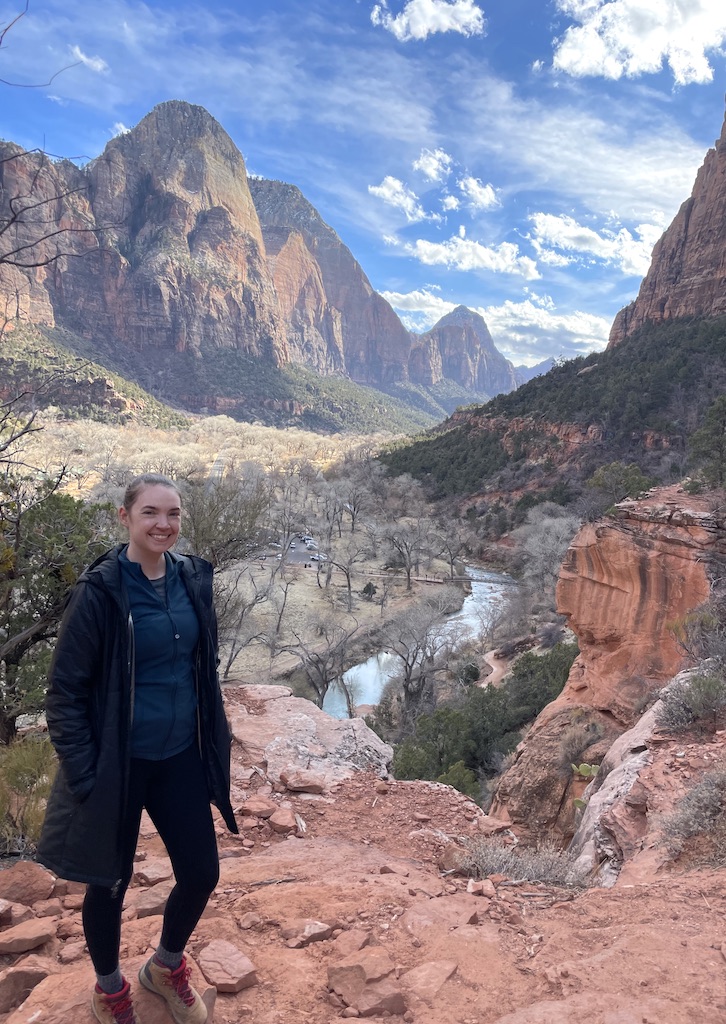
Located in southern Utah is the highly popular Zion National Park — often listed among the best national parks in the United States.
Distinguished by steep red sandstone cliffs, emerald pools, and hanging gardens, this park tops many bucket lists.
Whether you wish to hike, enjoy a scenic drive, or watch for wildlife, there’s something for everyone in this desert oasis.
Utah’s desert landscape is surprisingly cool in winter, making this the coldest of the warm parks included here, and the only Utah national park to land on this list.
You May Also Like: The Best Things To Do In Zion National Park
Average Temperatures:
- November – 56° / 31° (High / Low F°)
- December – 48° / 24°
- January – 50° / 25°
- February – 49° / 25°
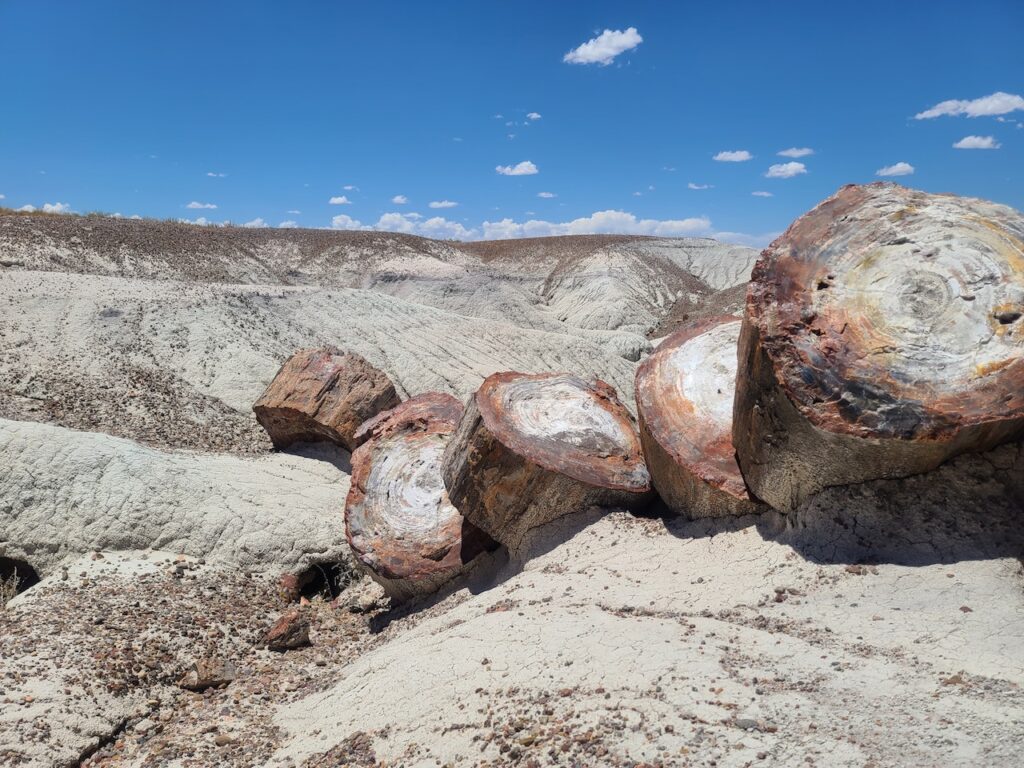
Petrified Forest National Park
Location: Arizona
Located about an hour and half east of Flagstaff, Arizona is Petrified Forest National Park.
Petrified Forest National Park offers a unique combination of geological wonders, ancient history, and natural beauty.
Petrified wood is not-surprisingly the star of the show here, but the park is also popular for desert hikes, ancient fossils, and incredible views of the Painted Desert.
Average Temperatures:
- November – 60° / 30° (High / Low F°)
- December – 50° / 24°
- January – 49° / 23°
- February – 55° / 26°
Carlsbad Caverns National Park
Location: New Mexico
Located in the Chihuahuan Desert of southern New Mexico, near the Texas border, is Carlsbad Caverns National Park.
Featuring over 100 caves decorated in stalactites and huge underground chambers, this is one of the most incredible national parks in the United States.
A cave tour is a must, yes, but also consider going for a hike and seeing Rattlesnake Springs during your winter visit.
No matter the time of year, the interior temperature of the cave remains around 60 – 55°F.
Average Temperatures (outside of the cave):
- November – 61° / 39° (High / Low F°)
- December – 54° / 32°
- January – 53° / 30°
- February – 57° / 33°

Hot Springs National Park
Location: Arkansas
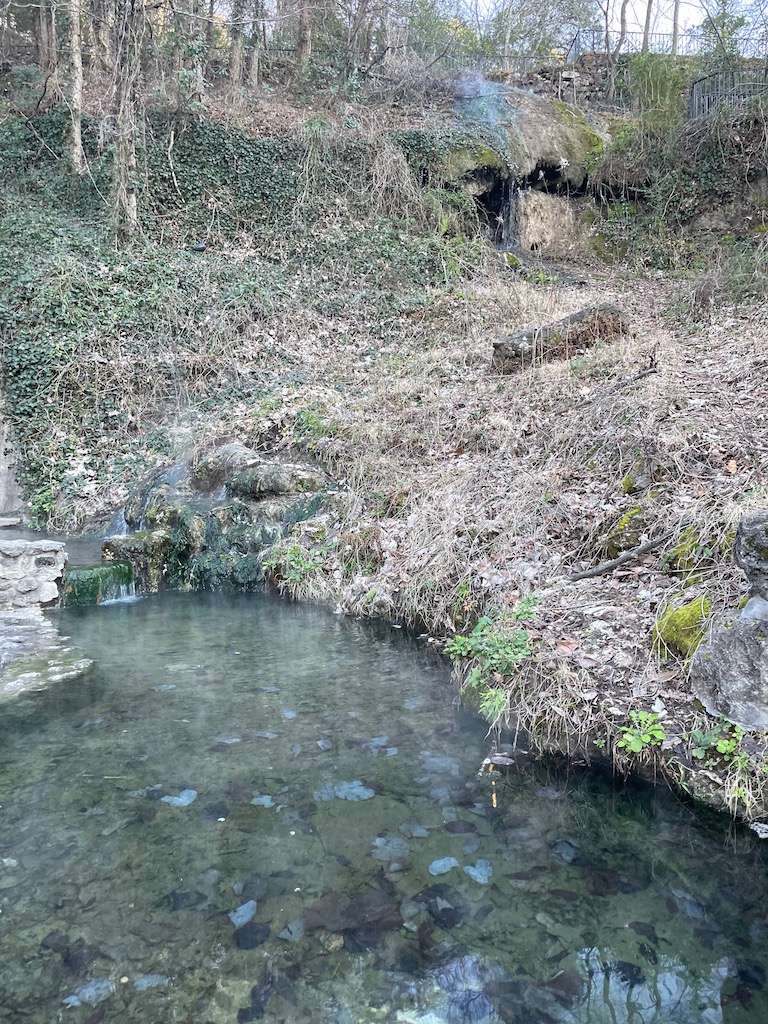
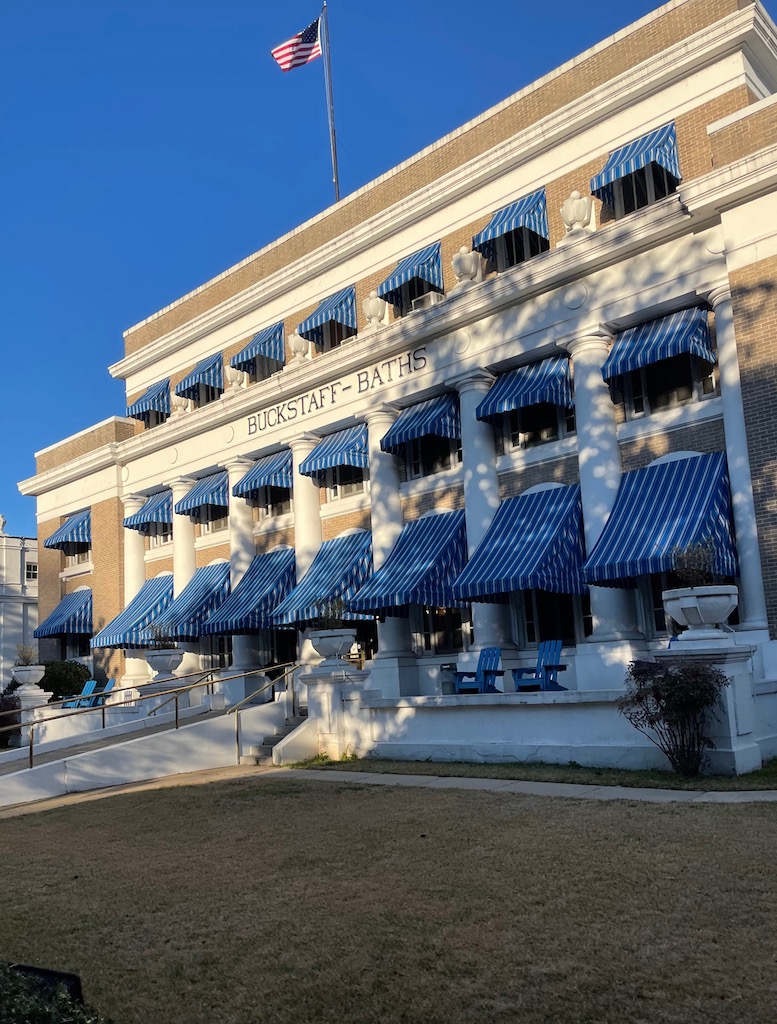
Arkansas holds one of the most unique national parks in the United States, protecting a combination of historic bathhouses as well as the water sources which feed them.
The hot springs are especially unique because they’re some of the most high quality, non-volcanic geothermal springs in the United States.
These mineral-rich waters are safe for bathing and drinking, and have an incredibly fresh taste.
While here, soak in a historic bathhouse, hike to Hot Springs Mountain Tower, and grab a pint from Superior Bathhouse Brewery which uses on-site geothermal springs to make its beer.
Be sure to also explore the town of Hot Springs, which is built right around the park, a highly unusual national park feature, for sure.
Average Temperatures:
- November – 62° / 40° (High / Low F°)
- December – 53° / 32°
- January – 50° / 29°
- February – 55° / 32°
Big Bend National Park
Location: Texas
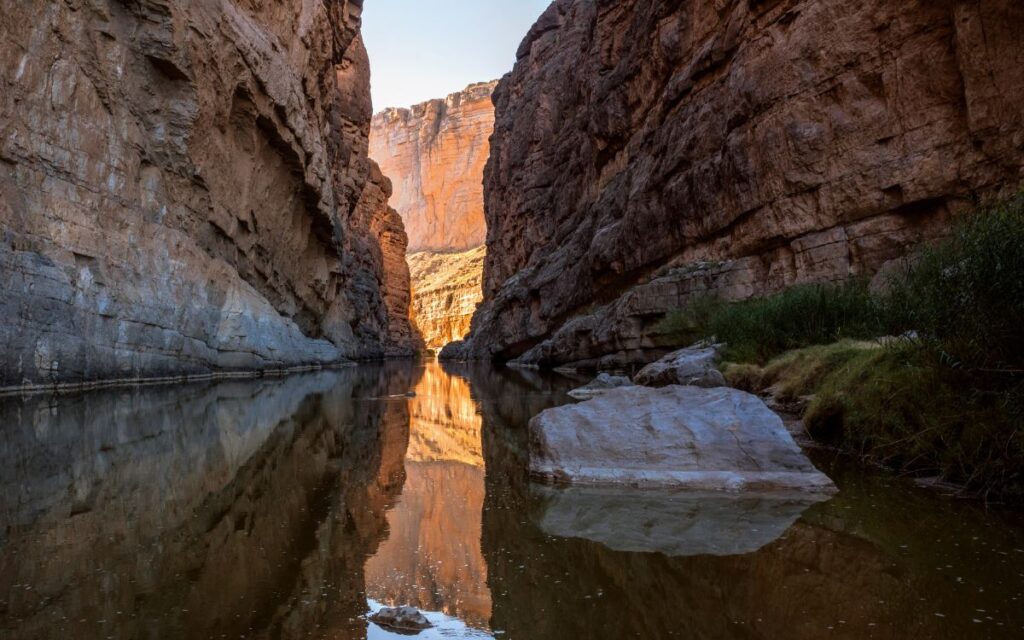
Big Bend National Park is remotely located in the Chihuahuan Desert of far southwest Texas.
The park is known for limestone canyons, desert wildlife, and epic stargazing.
You won’t want to miss Santa Elena Canyon, a deep and narrow gorge carved by the Rio Grande, it’s among the park’s most iconic natural features.
Winter sees mild and clear weather, making it perfect for a cold weather visit.
Average Temperatures:
- November – 64° / 43° (High / Low F°)
- December – 58° / 37°
- January – 57° / 36°
- February – 61° / 38°
White Sands National Park
Location: New Mexico
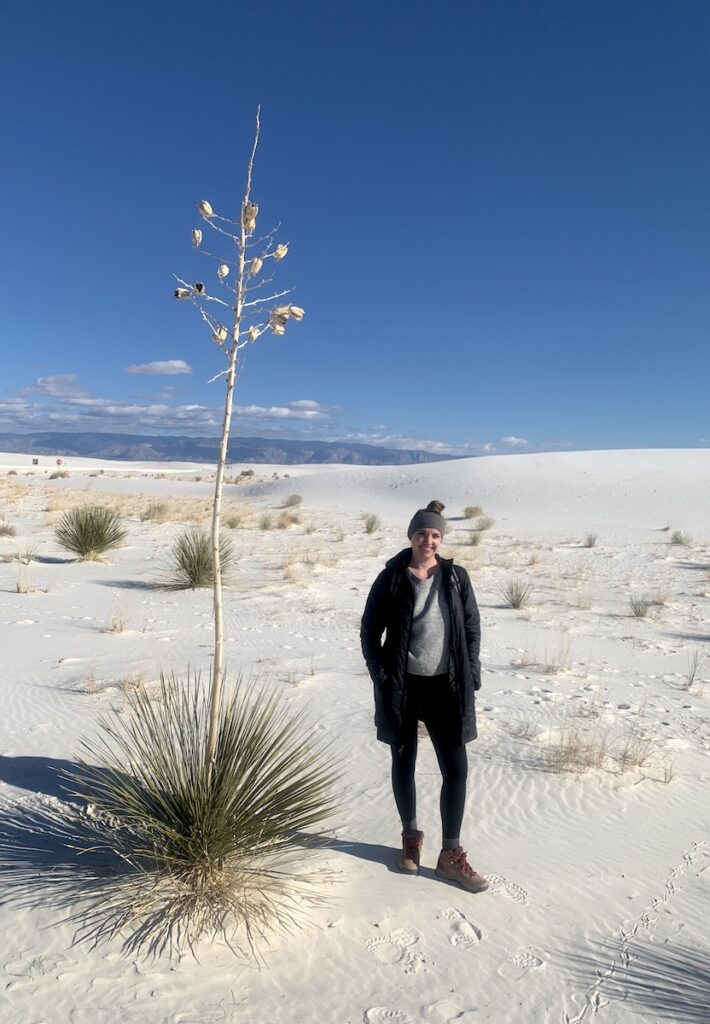
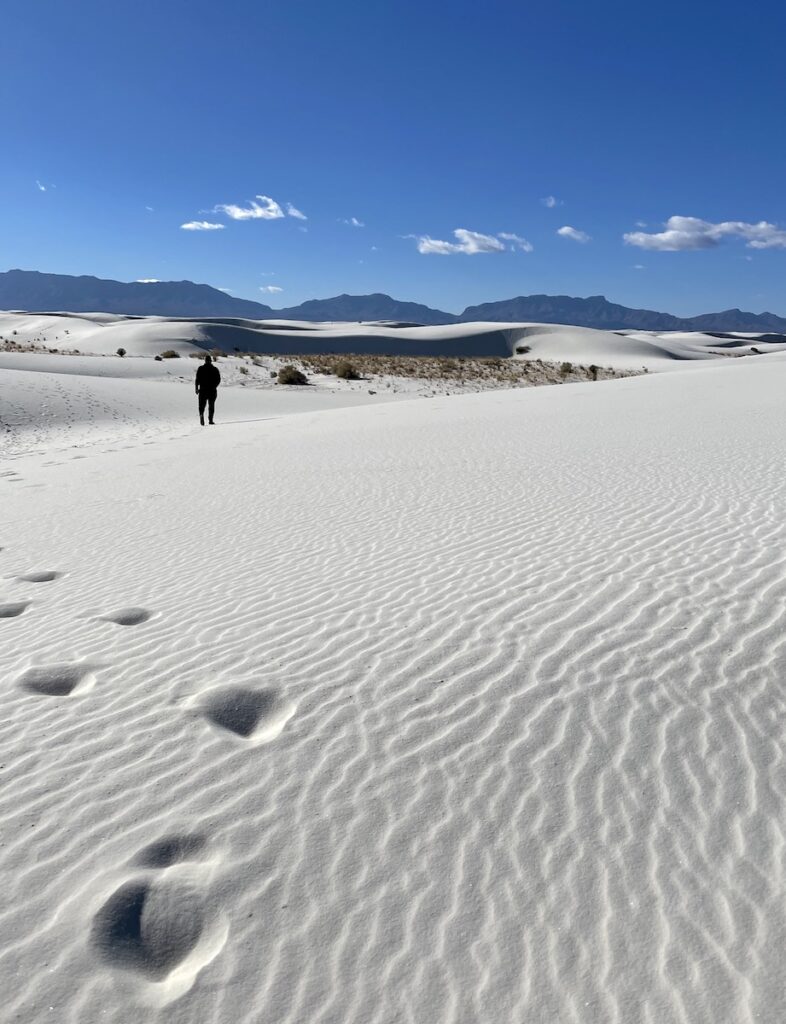
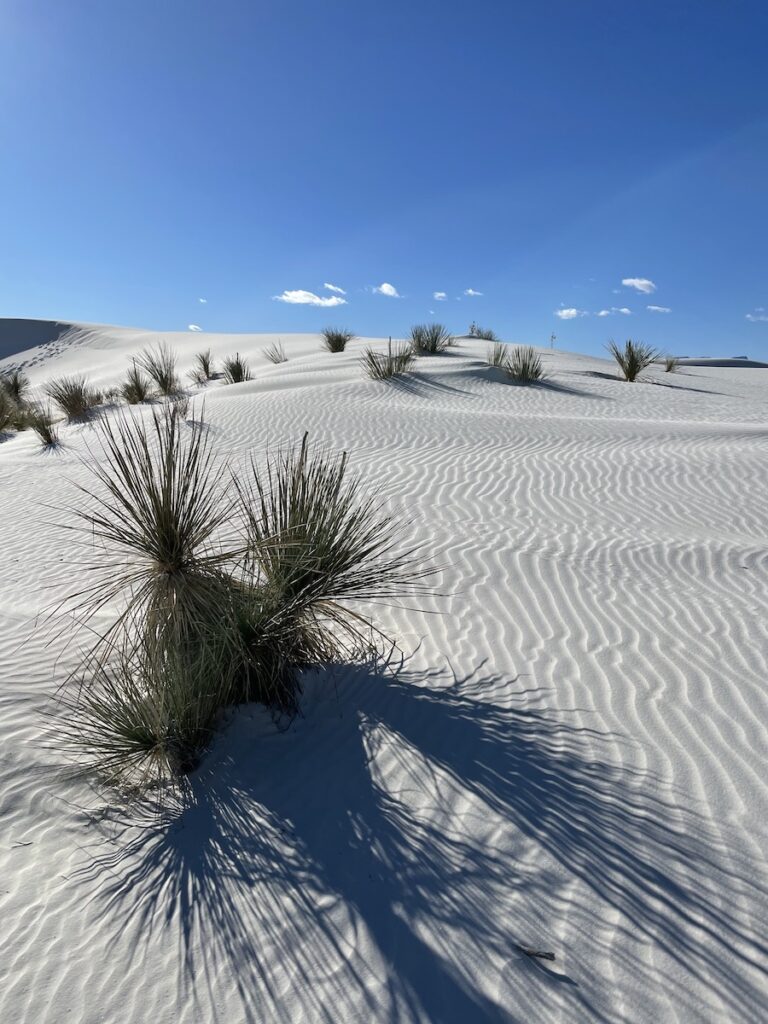
White Sands National Park, located in southern New Mexico’s Tularosa Basin, is home to the world’s largest gypsum dune field.
The winter season is an especially great time to visit. This park can get quite hot in summer, making the bright-white dunes rather intense.
You’ll love this park, whether you prefer hiking, sand-sledding, silence and solidarity, or catching a really good sunset.
There’s something for everyone in this exceptionally unique park.
You May Also Like: White Sands National Park One Day Itinerary
Average Temperatures:
- November – 66° / 29° (High / Low F°)
- December – 57° / 22°
- January – 57° / 22°
- February – 63° / 26°
Haleakala National Park
Location: Hawaii
Haleakalā National Park is a unique and stunning national park located on the Hawaiian island of Maui.
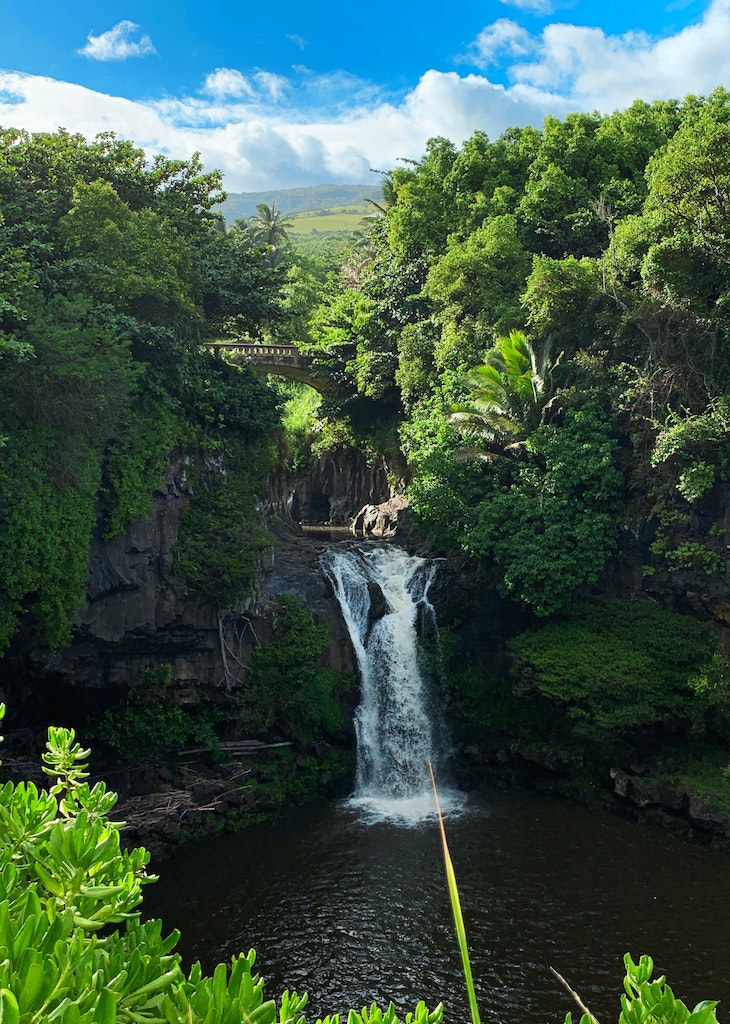
This park covers a huge variety of landscapes, from the highest peak in Maui to the coastal area of Kīpahulu. Plus waterfalls, freshwater pools, and bamboo forests.
Most importantly, the park also protects endangered species, some of which are endemic to the island.
You’ll love hiking, outdoor activities, and admiring the biodiversity of this park. Don’t miss a sunrise from the summit of Haleakala and the incredible cascading pools and waterfalls of The Seven Sacred Pools of ‘Ohe’o.
Average Temperatures:
- November – 64° / 47° (High / Low F°)
- December – 62° / 45°
- January – 61° / 44°
- February – 61° / 43°
Congaree National Park
Location: South Carolina
Congaree National Park preserves the largest tract of old growth bottomland hardwood forest left in the United States, as well as some of the tallest trees on the East Coast.
Despite its location just outside South Carolina’s capital city, it’s regularly listed as one of the least visited national parks.
Go for a canoe tour or follow the boardwalk paths through the beautiful park. Best of all, you’ll have very few mosquitos to contend with this time of year. That alone makes winter one of the best times to visit this park.
If you’re looking for a warm national park that’s easy to get to — and doesn’t see huge crowds — this is a great option.
Average Temperatures:
- November – 67° / 41° (High / Low F°)
- December – 58° / 34°
- January – 56° / 33°
- February – 59° / 35°

Pinnacles National Park
Location: California
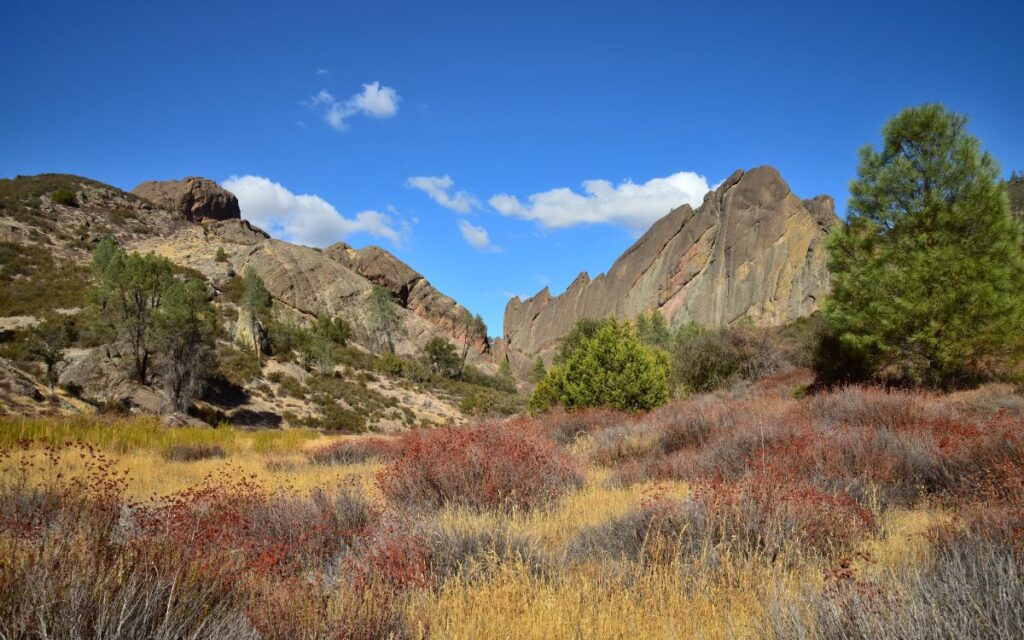
Pinnacles National Park protects a mountainous area just east of the Salinas Valley in Central California.
The region was once the site of multiple volcanic eruptions, forming the unique landscapes we see today.
If you’re looking for winter hiking, rock climbing, or camping, this is a great park to find it. You’ll do all this with an incredible backdrop of towering rock spires and distinct geological formations.
Average Temperatures:
- November – 68° / 34° (High / Low F°)
- December – 60° / 30°
- January – 60° / 31°
- February – 62° / 33°
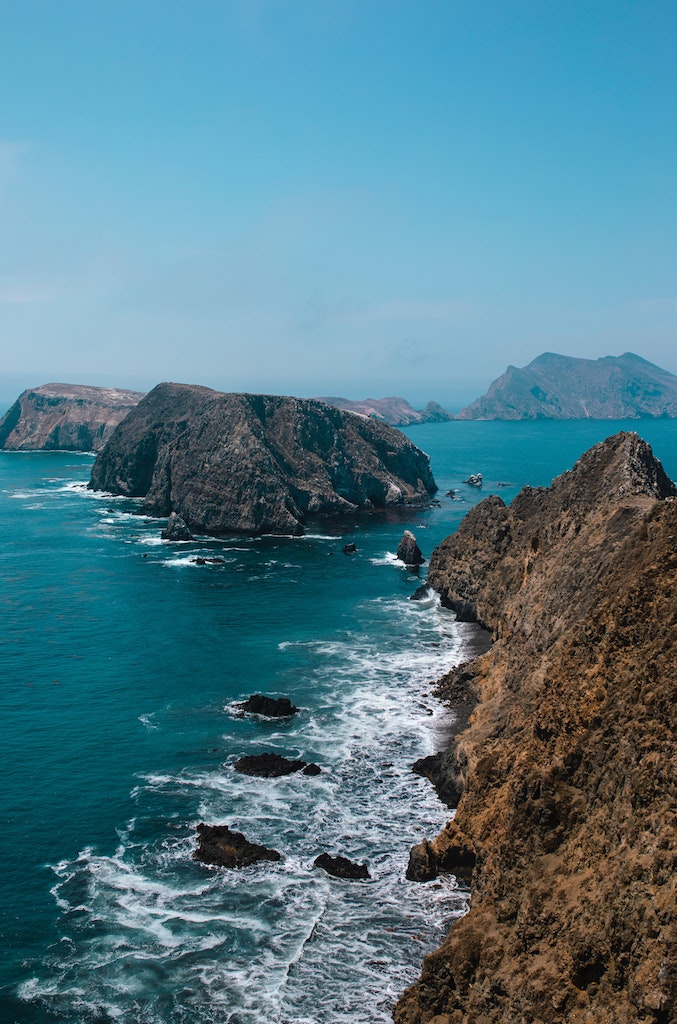
Channel Islands National Park
Location: California
Channel Islands National Park is one of the most unique in the continental US.
This park protects 5 ecologically diverse islands, which are located near LA but feel worlds away. The islands have been dubbed the “Galapagos of North America” thanks to an incredible 2,000+ species of plants and animals found here.
To see the islands, you’ll have to join a boat tour. But it’s well worth the effort, these islands are beautiful and the wildlife here is top notch.
Average Temperatures:
- November – 68° / 55° (High / Low F°)
- December – 63° / 51°
- January – 63° / 52°
- February – 62° / 51°
Joshua Tree National Park
Location: California
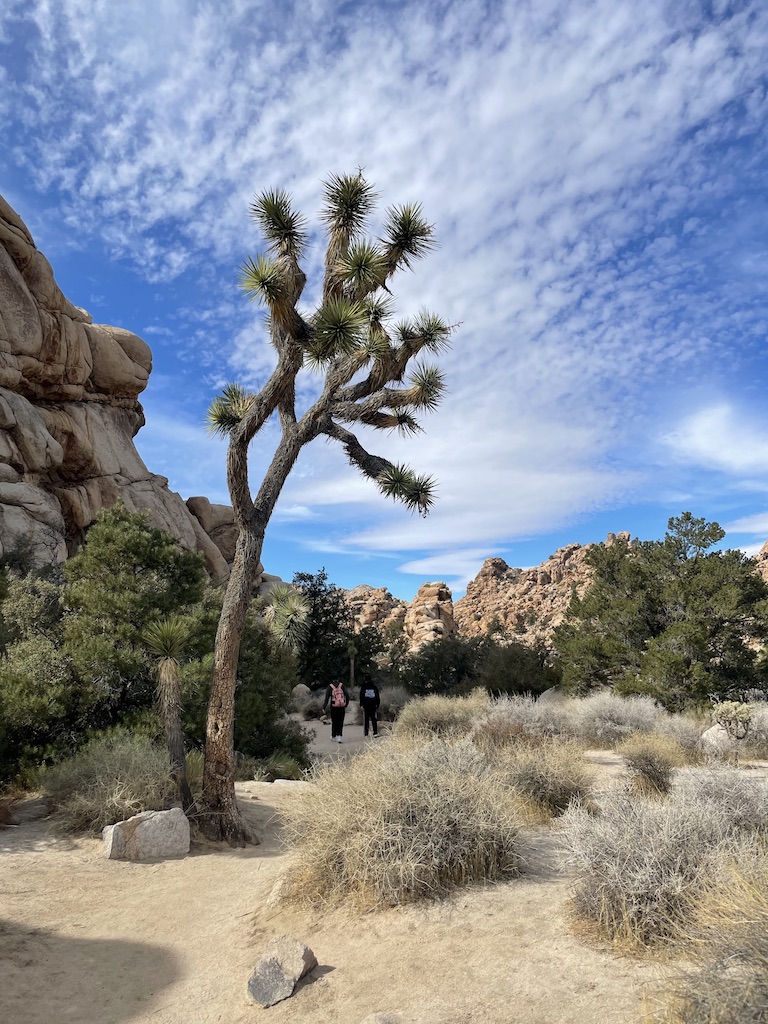
Another Southern California park to make this list of warmest national parks in winter is Joshua Tree National Park, a place that looks like something out of a Dr. Seuss book.
Precariously stacked jumbo rocks, towering yucca trees, and cacti-filled valleys form this other-worldly national park.
And, since it’s located at the confluence of two distinctly different deserts, the Mojave and Colorado, you’ll be amazing by how quickly the landscape transforms.
This family-friendly park is perfect for a winter visit, scramble the Jumbo Rocks near Skull Rock, go for a winter hike through the Cholla Cactus Garden, or spend the night stargazing.
Average Temperatures:
- November – 70° / 41° (High / Low F°)
- December – 61° / 35°
- January – 62° / 36°
- February – 66° / 38°
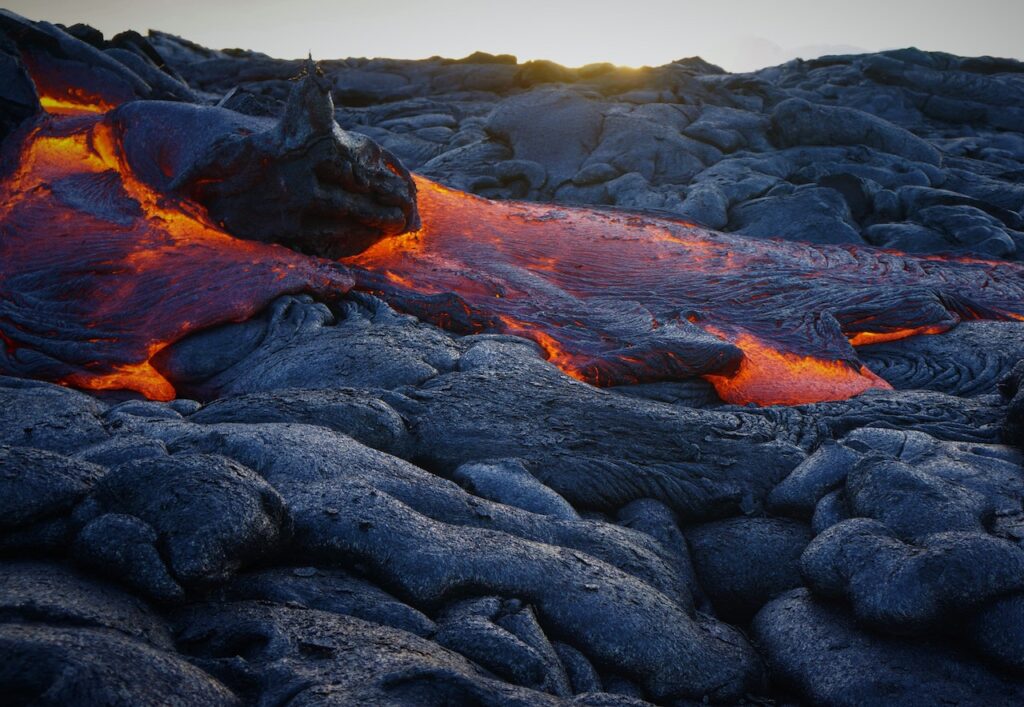
Hawai’i Volcanoes National Park
Location: Hawaii
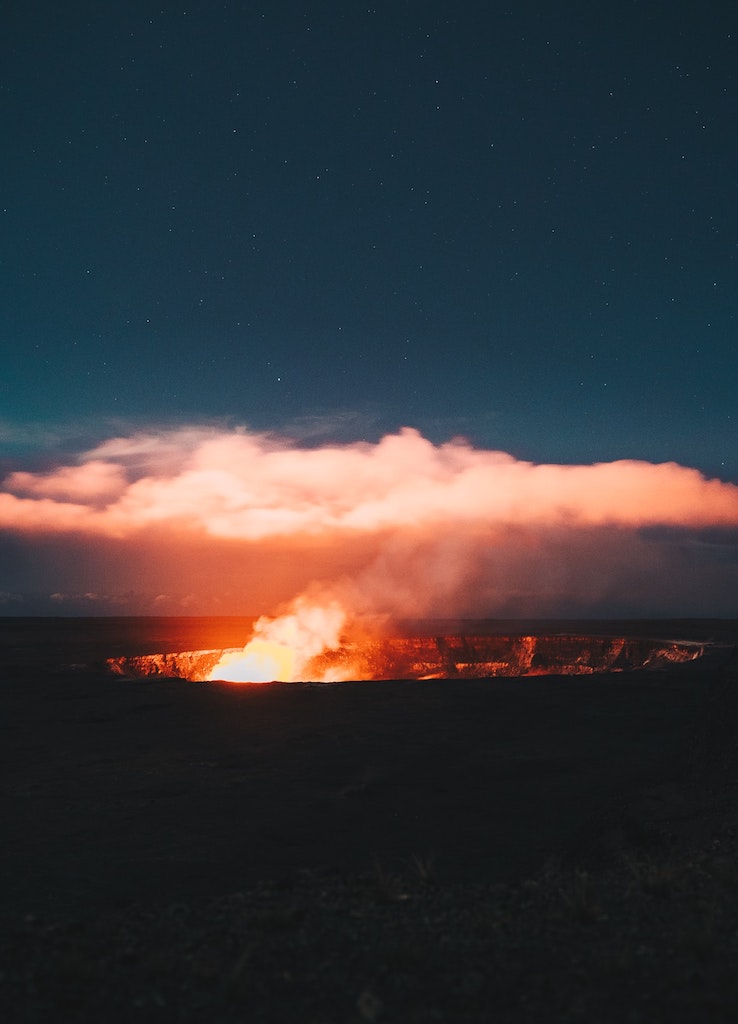
Hawai’i Volcanoes National Park contains the summits of two of the world’s most active volcanoes, Kīlauea and Mauna Loa.
Here lava trickles from the volcanoes summit, standing over 13,000 feet above sea level, down to the Pacific Ocean.
These massive peaks cover 6 climate zones, meaning there’s a huge diversity of things to see in Hawai’i Volcanoes National Park.
Go for a hike or scenic drive along Crater Rim Drive, view Thurston Lava Tube, and see the park’s archaeological sites during your visit.
Winter is especially a great time to see the park, thanks to mild weather and fewer crowds.
Average Temperatures:
- November – 70° / 53° (High / Low F°)
- December – 68° / 51°
- January – 68° / 49°
- February – 67° / 49°
Biscayne National Park
Location: Florida
A popular park in the US Southeast is Biscayne National Park.
Biscayne National Park protects four important ecosystems: coastal mangrove hammocks, shallow lagoon waters, coral limestone keys, and the third-largest offshore reef in the world.
If you’re looking for epic dive sites, quiet waterways, or simply a quick getaway from Miami, this park is for you! You can also take kiteboard lessons here, watch for manatees and sea turtles, or go for a scenic kayak ride.
Average Temperatures:
- November – 72° / 67° (High / Low F°)
- December – 68° / 62°
- January – 65° / 57°
- February – 66° / 59°

Saguaro National Park
Location: Arizona
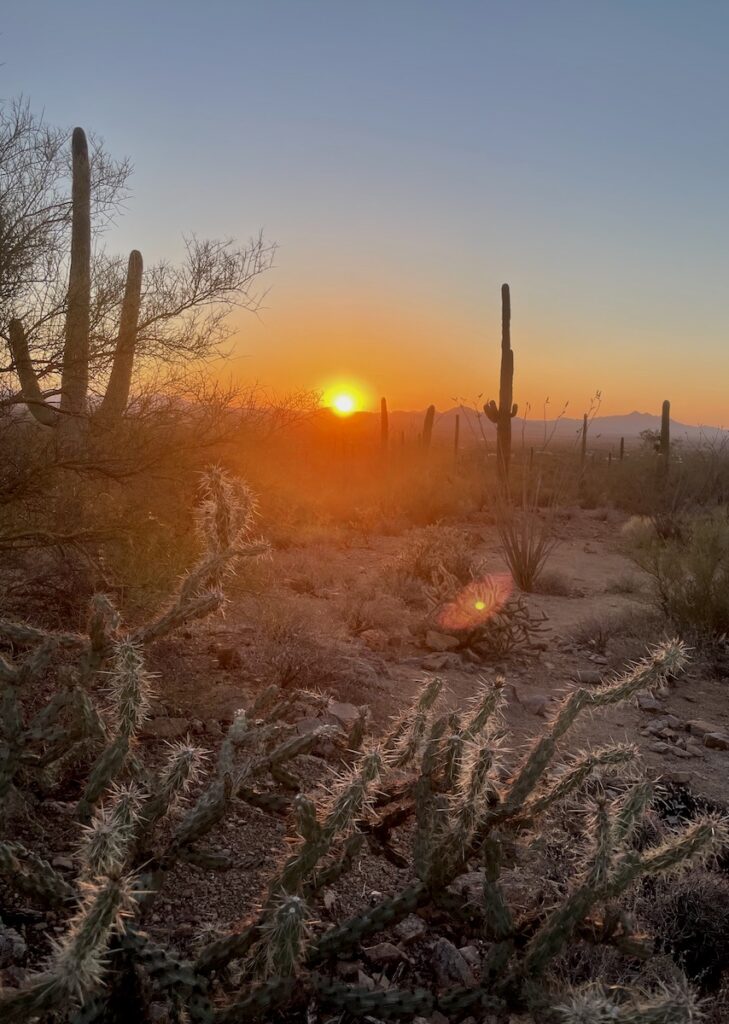
Saguaro National Park is home to the nation’s largest cactus, you guessed it, the saguaro cactus.
They grow all throughout this park and average 40 feet tall, a pretty incredible sight.
The park’s desert environment is perfect for winter hiking among vast cacti filled valleys, wildlife sightings, viewing the Signal Hill Petroglyphs, and epic sunsets.
If you’re looking for national parks that are warm in the winter, this Arizona park should not be missed!
Average Temperatures:
- November – 74° / 46° (High / Low F°)
- December – 65° / 39°
- January – 66° / 39°
- February – 69° / 41°
Dry Tortugas National Park
Location: Florida
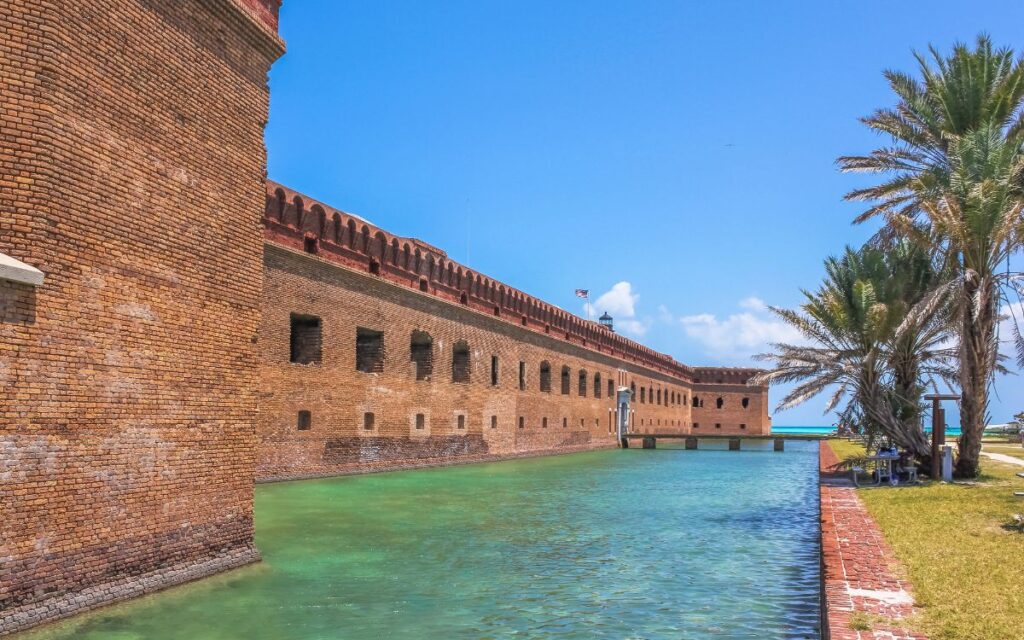
Seven remote islands with beautiful, white sandy beaches and ample coral reefs make up Dry Tortugas National Park.
Here you may just find sunken gold treasure — or more likely an abundance of sea turtles — as you partake in an epic snorkeling or diving excursion.
The most iconic structure in the park is Fort Jefferson, a massive, unfinished coastal fortress.
It was built by the US military in the mid 1800’s. Today visitors can tour the site, which is the largest masonry structure in the Western Hemisphere.
This very unique national park is only accessible by boat or sea plane.
Average Temperatures:
- November – 79° / 70° (High / Low F°)
- December – 76° / 67°
- January – 74° / 65°
- February – 76° / 65°
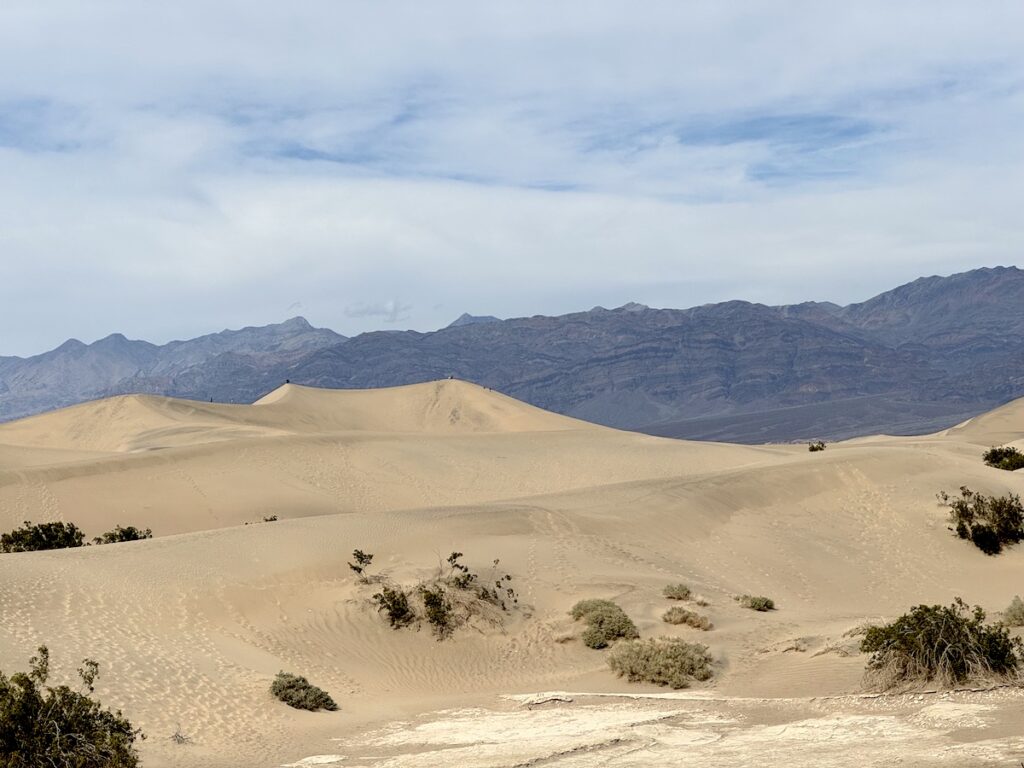
Death Valley National Park
Location: California / Nevada
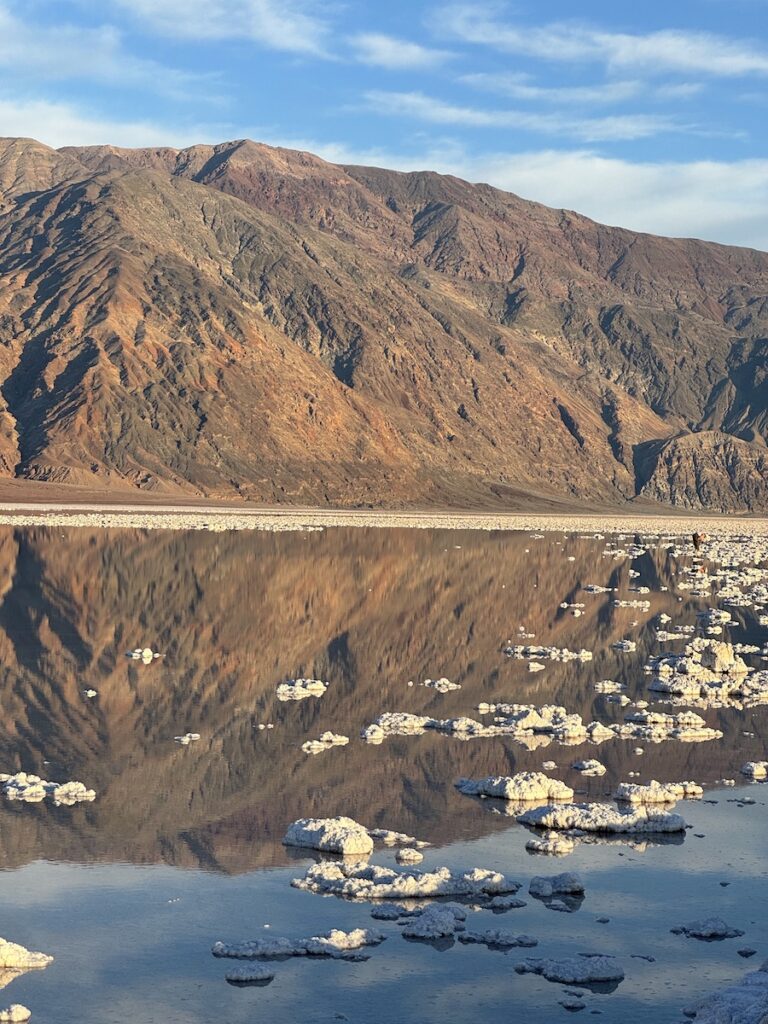
Sitting in a below-sea-level basin, Death Valley is the hottest, driest, and lowest national park in the United States.
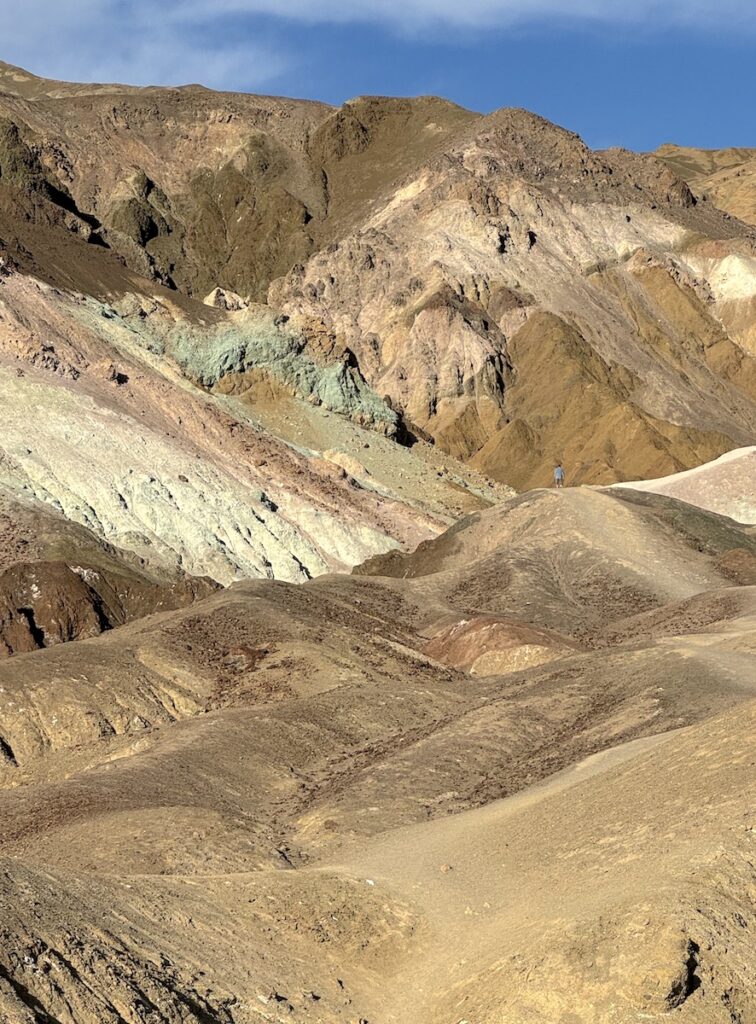
Yet, despite the extreme nature, it’s got surprisingly diverse terrain, great for hiking and sightseeing (well, outside summer months that is).
See the park’s salt flats, sand dunes, canyons, badlands, and rugged mountains during your winter visit.
With so many incredible attractions, it’s easy to understand why this is one of the most popular national parks in winter.
Average Temperatures:
- November – 77° / 48° (High / Low F°)
- December – 65° / 39°
- January – 67° / 40°
- February – 74° / 46°
Everglades National Park
Location: Florida
The warmest national park on the US mainland is Everglades National Park.
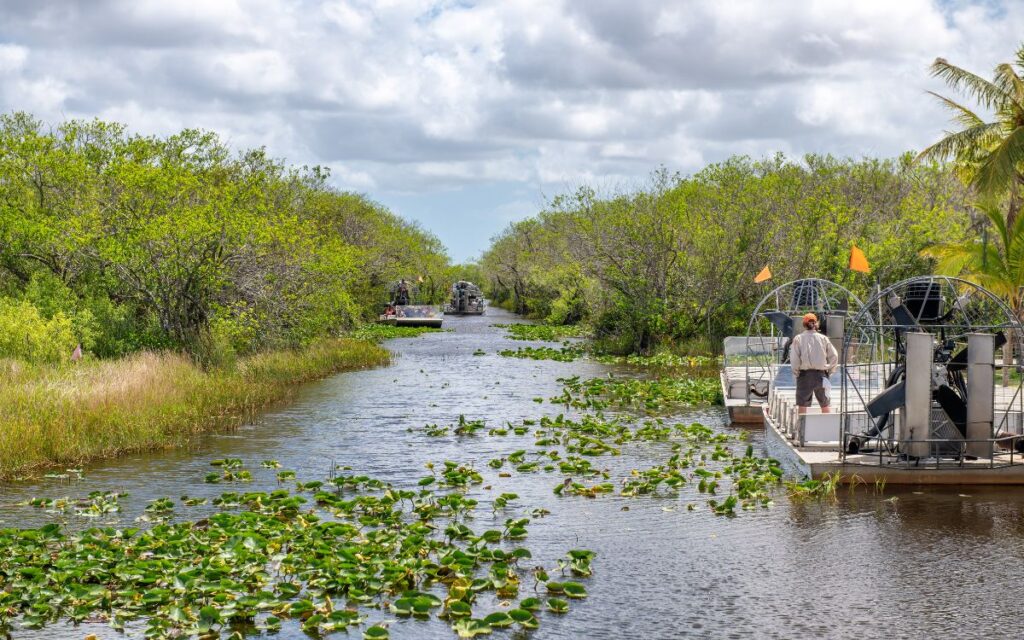
This huge park encompasses over 1.5 million acres of wetlands, making it the largest subtropical wilderness in the United States. Not to mention, one of the largest in North America.
In this park you’ll find endangered and protected species such as the Florida panther, American alligator, and much-loved West Indian manatee.
Everglades can be explored through hikes, boat and paddle tours, or via camping trips.
Average Temperatures:
- November – 82° / 64° (High / Low F°)
- December – 78° / 60°
- January – 76° / 56°
- February – 78° / 58°
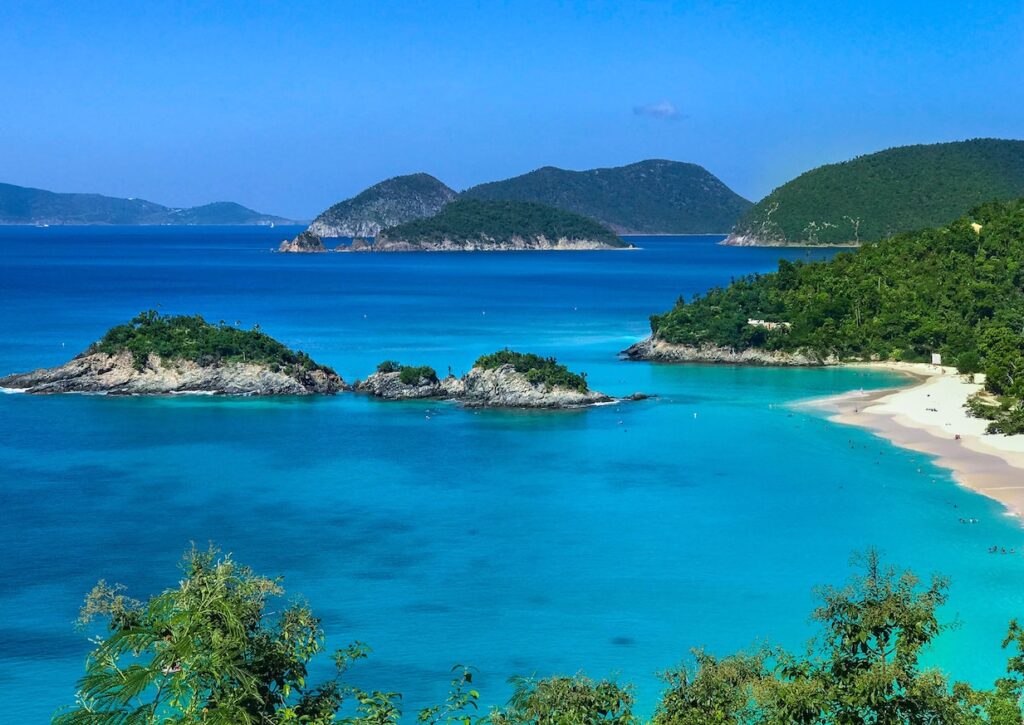
Virgin Islands National Park
Location: US Virgin Islands
Virgin Islands National Park occupies a majority of St. John, one of the larger US Virgin Islands.
Tropical forests, breathtaking beaches, quiet bays with sea turtles abound, and a historic plantation are a few of the many highlights in this one of a kind national park.
The park is home to a wide range of plant and animal species, many of which are unique to the Caribbean. And it protects a variety of ecosystems, including coral reefs, mangrove forests, and salt ponds.
During a winter visit, explore the stunning beaches, go for a hike through a tropical forest, and explore the Cinnamon Bay Plantation ruins.
Average Temperatures:
- November – 82° / 70° (High / Low F°)
- December – 80° / 69°
- January – 79° / 68°
- February – 80° / 67°
National Park Of American Samoa
Location: American Samoa
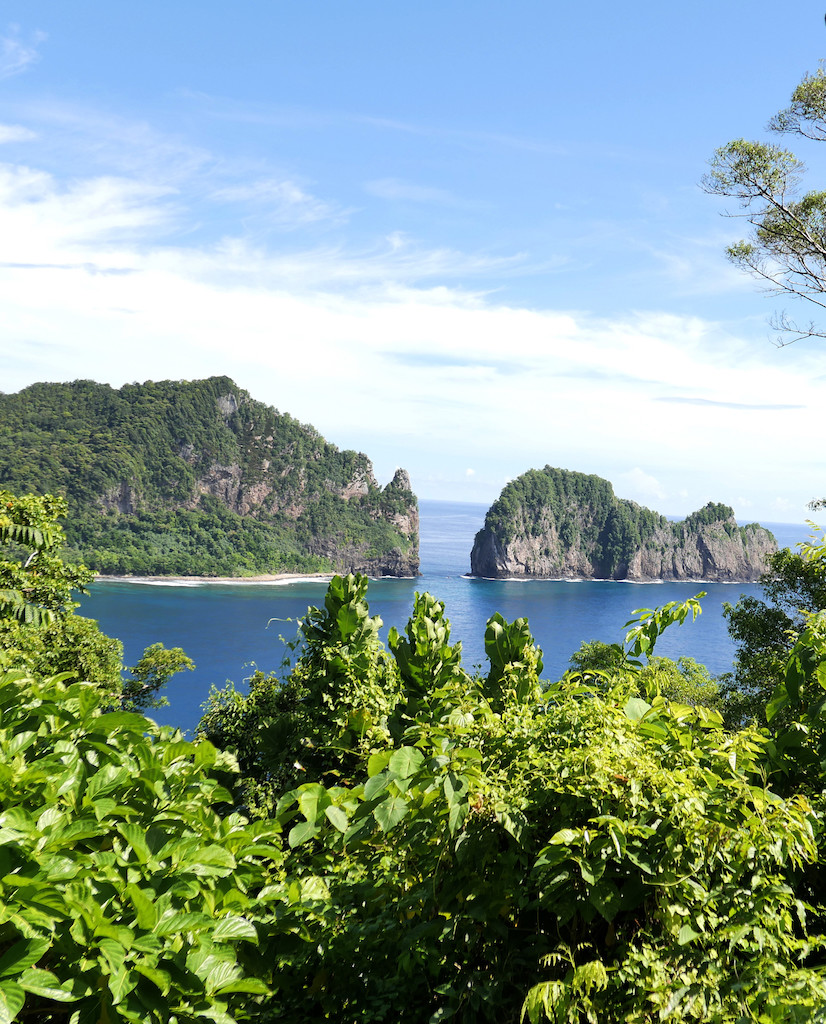
Topping out this list of the best warm national parks in winter is National Park of the American Samoa.
Not surprisingly, this tropical destination, far from the mainland is the warmest national park.
The park spans three islands — Tutuila, Ofu, and Ta’ū — preserving and protecting tropical rainforests, wildlife, coral reefs, and the Samoan culture.
Here, visitors can relax at the beach, enjoy birdwatching and wildlife views, or spend the day snorkeling — there’s over 200 species of coral found in the area!
While this is quite the trip from mainland USA, the landscapes are like nothing found close to home.
Witnessing the beauty of the National Park of American Samoa is a once in a lifetime experience.
Average Temperatures:
- November – 84° / 74° (High / Low F°)
- December – 84° / 74°
- January – 84° / 75°
- February – 84° / 75°
Additional Warm Weather National Parks
Looking for more warm weather park ideas? These park’s just missed the list:
- Redwood National Park – California
- Great Smoky Mountains National Park – Tennessee / North Carolina
- Yosemite National Park – California
- Guadalupe Mountains National Park – Texas
- Grand Canyon National Park (South Rim) – Arizona
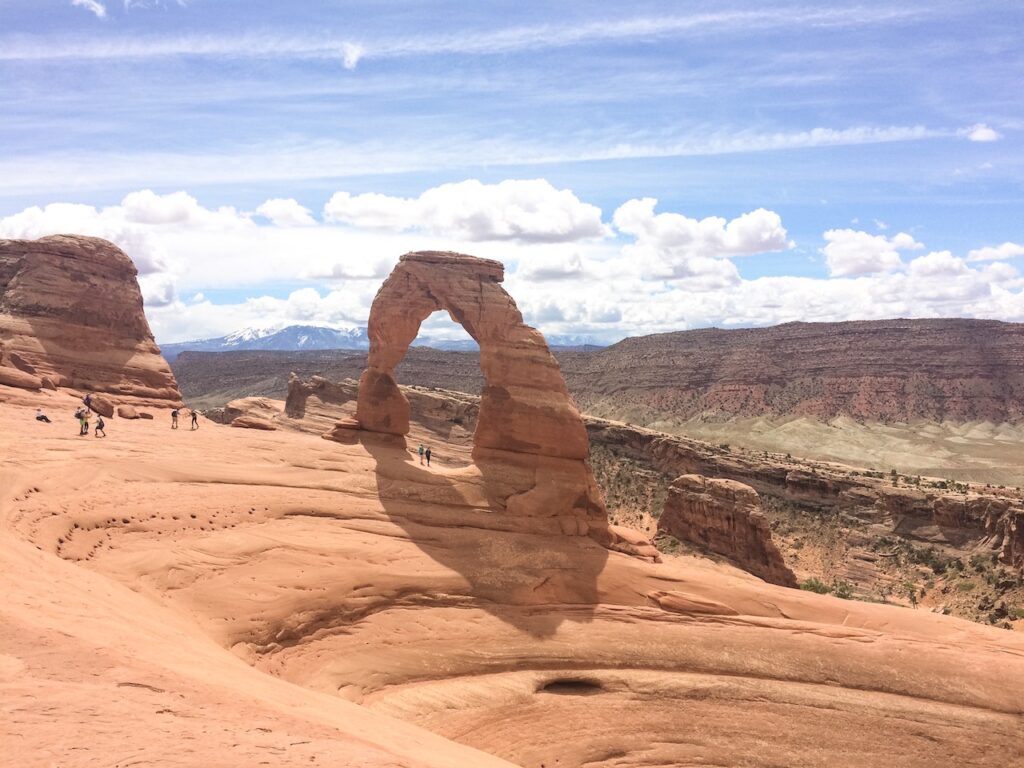
- Arches National Park – Utah
- Canyonlands National Park – Utah
In the United States we’re lucky to have such a huge variety of landscapes and excellent national parks. I hope you’ve found this list of warm national parks in winter helpful in planning your warm weather getaway and have the best time!
Any questions or additional ideas? Please leave a comment below or reach out on social media!
Looking for more ideas? Below are additional national park guides, otherwise head on over to the National Park Service.
More Winter Travel Ideas:
- Top National Parks To Visit In January
- Best National Parks To Visit In Winter
- Warm Winter Getaways In The United States
- Mexico Winter Vacation Destinations
- East Coast Winter Vacation Destinations
- Warm Spring Break Destinations In The United States
Pin for later!



Keep Up With Amy!
Subscribe to the newsletter for the latest updates in your inbox. And don’t forget to connect on your favorite social platform!
Thank you!
You have successfully joined our subscriber list.