
Fall In Rocky Mountain National Park: Best Things To Do & Tips For Visiting

Gorgeous weather, vibrant fall foliage, and the elk rut make autumn one of the most popular (and magical!) times to visit Rocky Mountain National Park. There’s no doubt it’s a beautiful season to explore the park.
I’ve lived in Denver most of my life and have visited Rocky Mountain National Park more times than I can count — fall is easily one of my favorite times to be here.
Planning a trip this autumn and wondering what to do in the park?
Read on for the best things to do during fall in Rocky Mountain National Park, along with helpful tips to make the most of your visit.

Best Things To Do In Rocky Mountain National Park In Fall
View The Fall Foliage
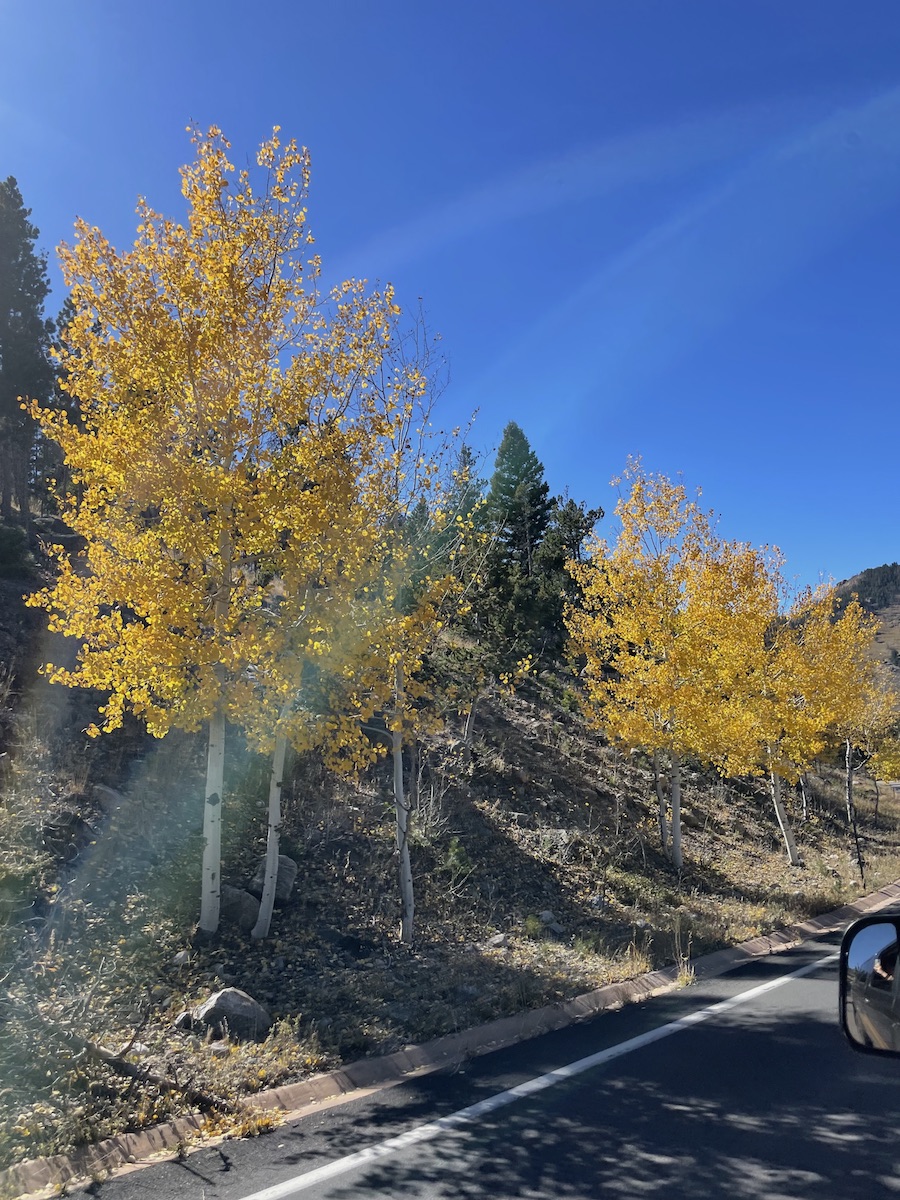
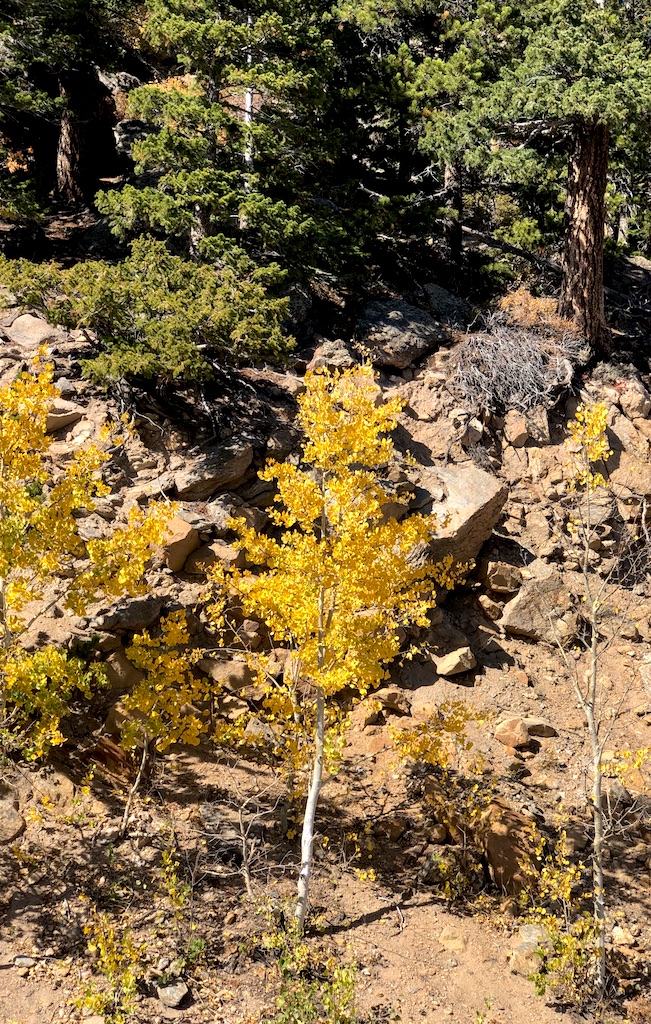
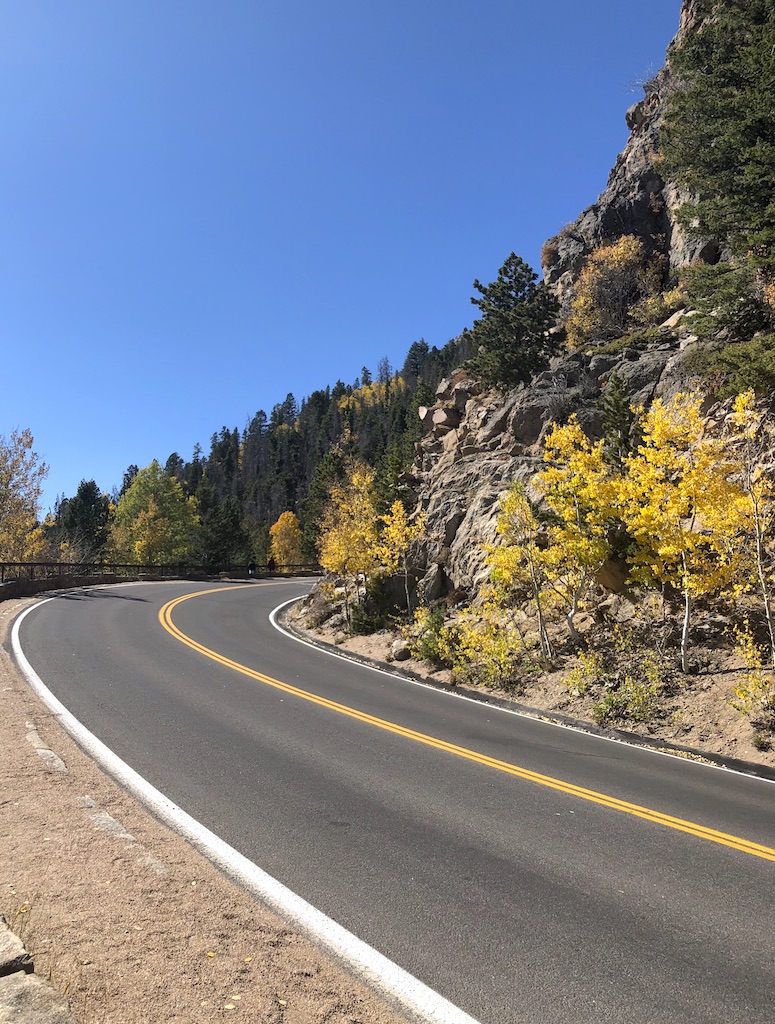
The park’s aspen groves steal the show this time of year, bursting into brilliant shades of yellow that pop against the dark green pines and rugged mountain backdrop.
Aspens don’t grow in clusters by accident, the trees in a grove actually share a root system and are genetically identical. Because of this, they all change color at the same time, creating those stunning waves of gold that sweep across the mountainsides.
The best time to catch fall foliage in RMNP is typically mid-September to early October. That said, timing peak color does take a bit of luck. Some years, the leaves hold on for weeks and other years, a cold snap or wind can bring them down quickly — sometimes overnight.
For this year’s predicted peak, check the Colorado Fall Foliage Outlook before your visit.
No matter where you end up, seeing the aspens glowing gold in the crisp mountain air is absolutely worth the effort — it’s a truly unforgettable sight.
Where To See Fall Colors In Rocky Mountain National Park – East Side
Aspens are among the very few deciduous trees found in RMNP, but fortunately there are many of them if you know where to look.
A few places to catch fall colors on the east side of Rocky Mountain National Park include:
- Bear Lake Road
- Hidden Valley
- Trail Ridge Road (lower elevations only)
- Moraine Park
- Twin Sisters Peak Trail
- Glacier Gorge Trail
- Sprague Lake
- Old Fall River Road
Where To See Fall Colors In Rocky Mountain National Park – West Side
A few places to see fall colors on RMNP’s west side include:
- Kawuneeche Valley
- Trail Ridge Road (lower elevations only)
- East Inlet Trail
Looking for things to do on the west side of Rocky Mountain National Park? Check out Best Things To Do On The West Side Of Rocky Mountain National Park.

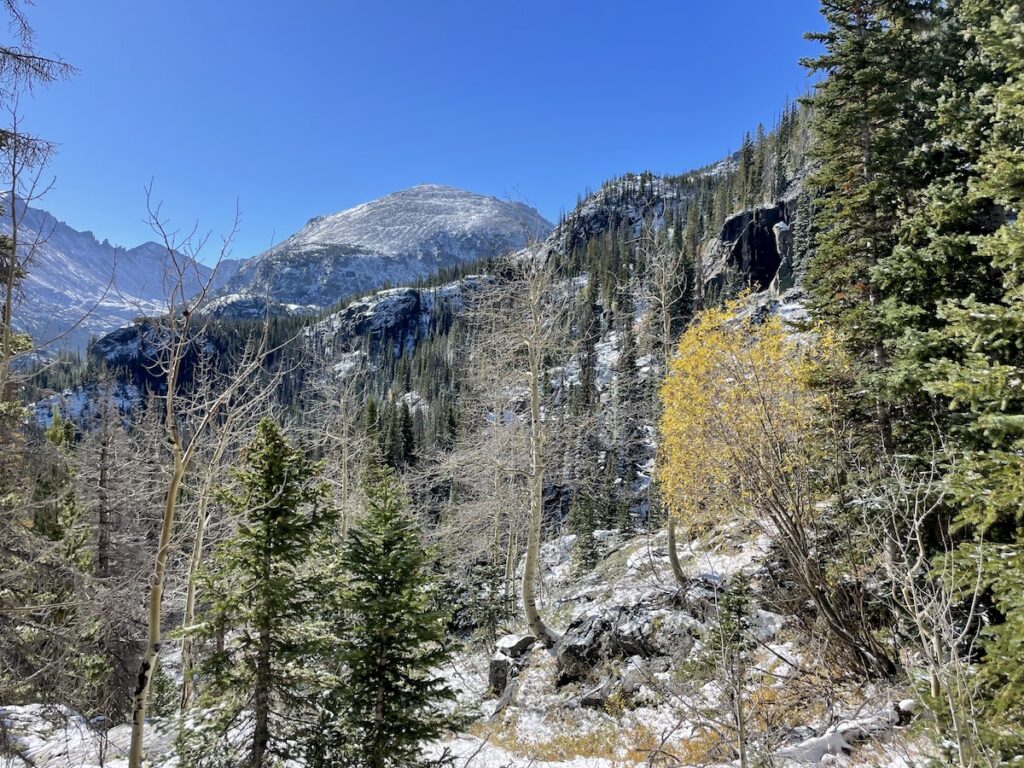
Go For A Hike
A fall hike in Rocky Mountain National Park is a must.
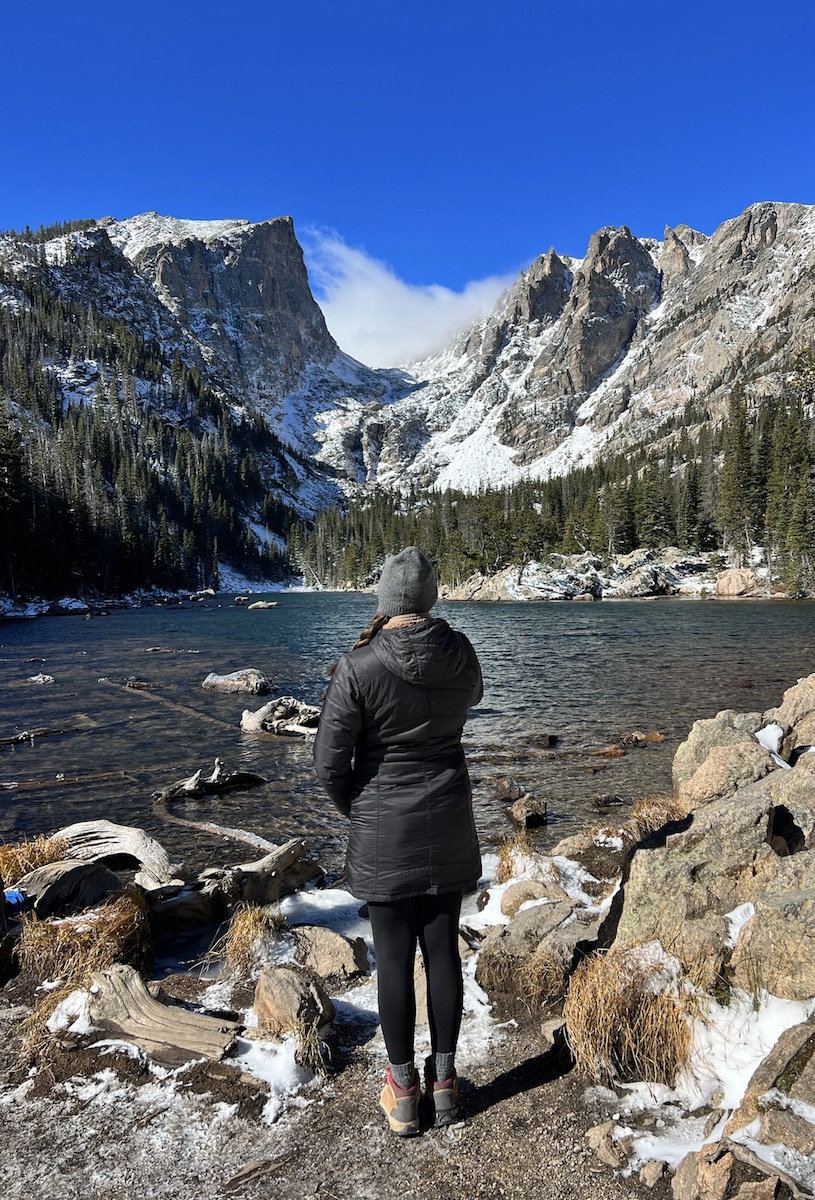
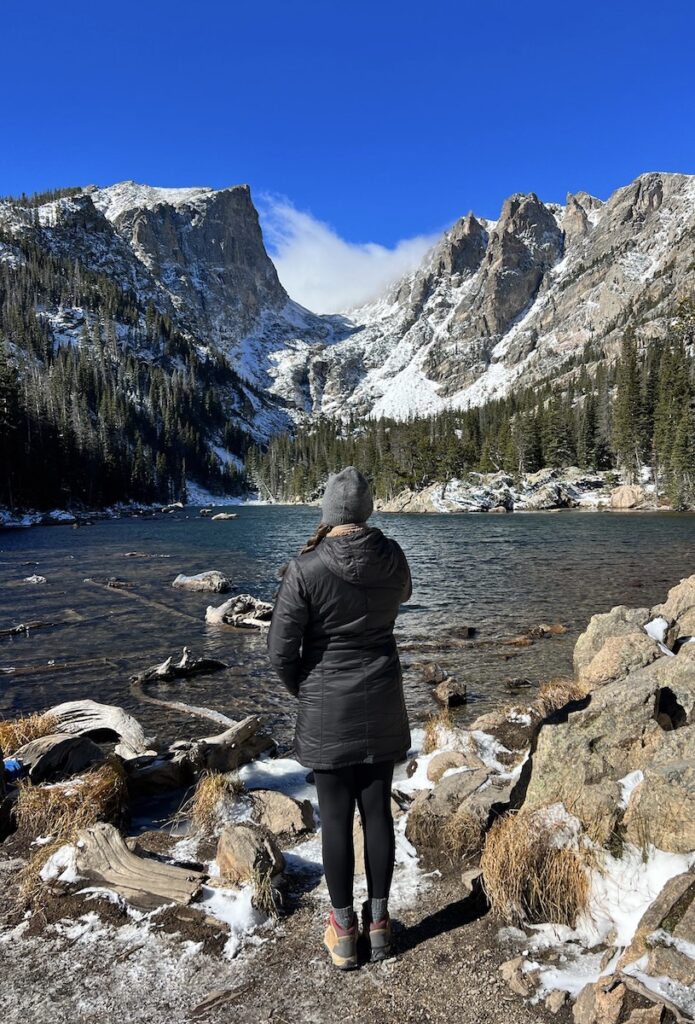
Hiking here is a fun and rewarding experience. On the trails you can expect scenic beauty and diverse terrain, with sparkling lakes and towering, snow-capped peaks. Mix in some golden aspens, and you’ve got the perfect fall activity.
The park has ample trails to choose from, which vary in difficulty. Whether you’re a novice or seasoned pro, seeking a short hike or all day adventure, there’s a hiking trail for you.
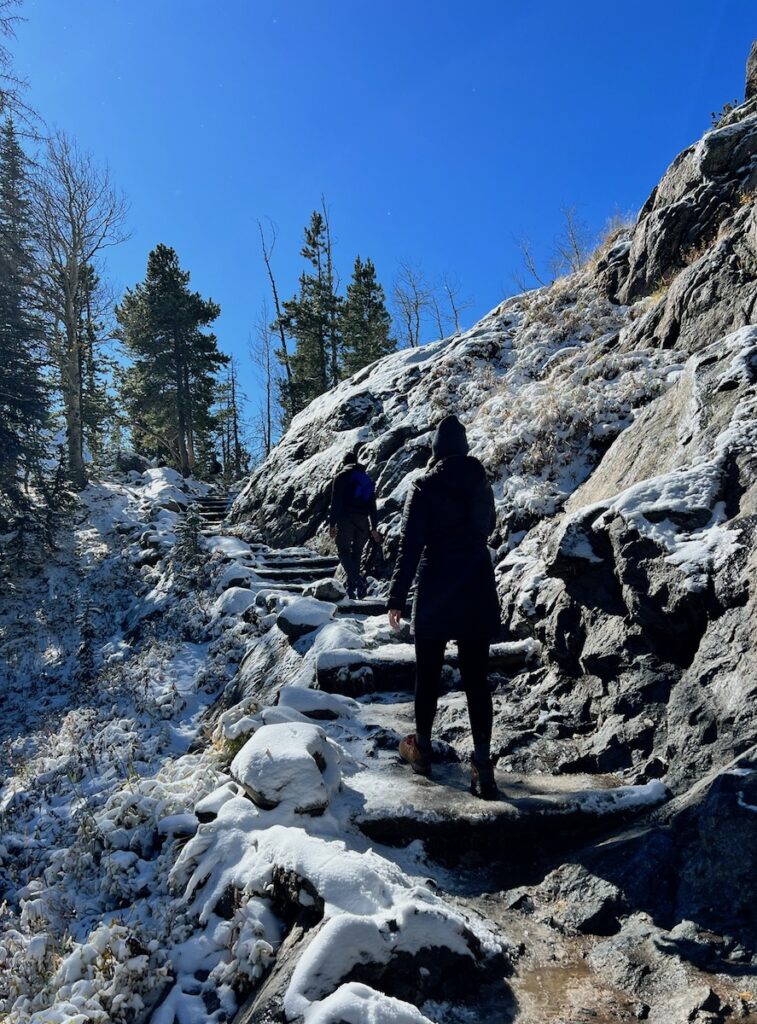
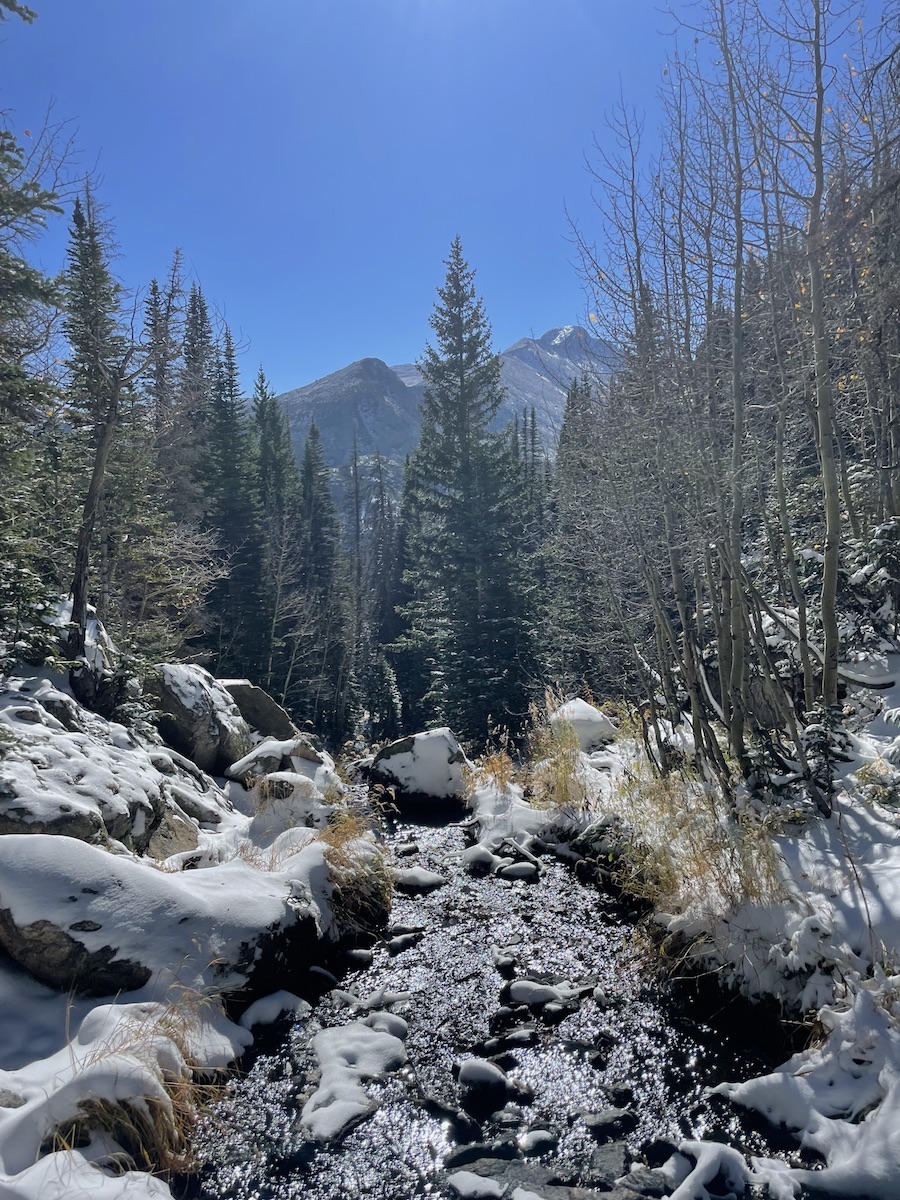
Note: snow is possible in RMNP this time of year, be sure to check weather forecasts before heading out (it may be warm and sunny in Estes Park but snowy in RMNP!) and always carry traction devises just in case.
Popular Fall Hikes In Rocky Mountain National Park
Below are much-loved hiking trails for fall visitors:
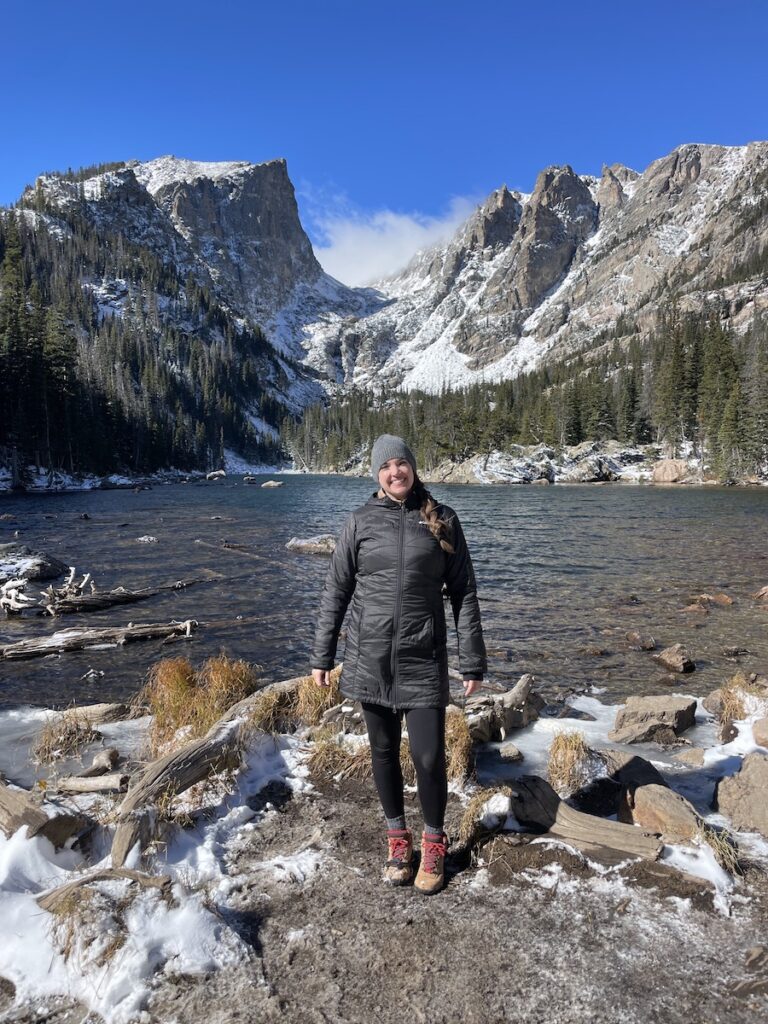
- Nymph Lake, Dream Lake & Emerald Lake – Rated moderate, 4.1 miles, 744 foot elevation change
- Lake Haiyaha – Rated moderate, 4.2 miles, 745 foot elevation change
- Alberta Falls – Rated easy, 1.2 miles, 160 foot elevation change (good for fall colors)
- Bear Lake – Rated easy, .5 miles, 20 foot elevation change
- Sprague Lake – Rated easy, .5 miles, 10 foot elevation change (good for fall colors)
- Glacier Gorge Trail – Rated easy, 3.8 miles, 760 foot elevation change (good for fall colors)
- Twin Sisters Peak Trail – Rated hard, 7.4 miles, 2,493 foot elevation change (good for fall colors)
- Ouzel Falls – Rated moderate, 5.3 miles, 984 foot elevation change
Horseback Riding
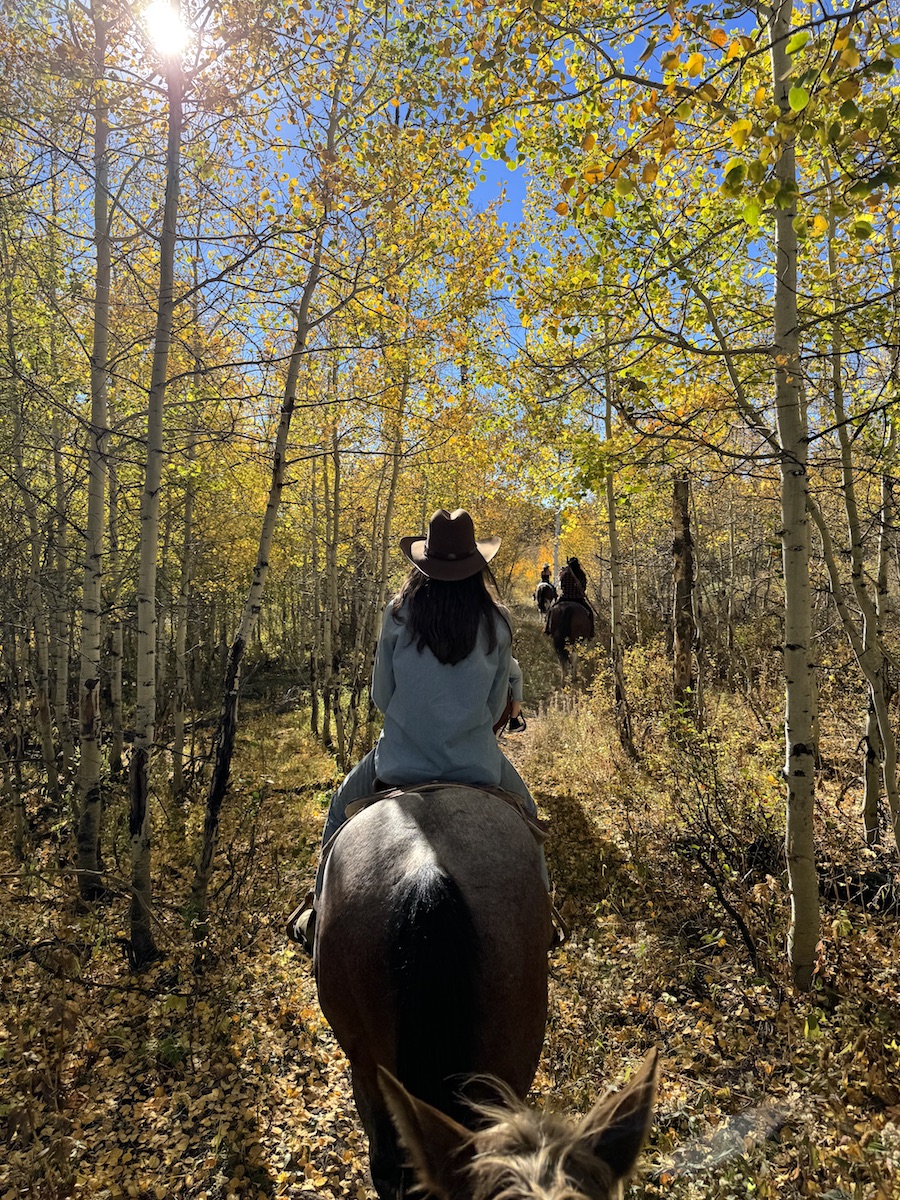
Horseback riding in the Rocky Mountains of Colorado provides a unique way to experience the beauty and serenity of the state’s unique landscape, especially so in fall.
Whether you’re a beginner or an experienced rider, exploring the trails on horseback allows you to connect with nature, enjoy scenic views, and potentially encounter wildlife.
This is sure to be a great experience during your fall visit to Rocky Mountain National Park.
For horseback riding in Rocky Mountain National Park, check out these popular tour guides below:
Check Pricing & Availability For National Park Gateway Stables
Check Pricing & Availability For Jackson Stables
Elk Rut
Witnessing the elk rut is one of the most unforgettable fall experiences in Rocky Mountain National Park.
Each year, from mid-September through mid-October, large groups of elk gather in the meadows, and the park comes alive with the sound of bugling — an odd, high-pitched call made by male bulls to challenge rivals and attract mates. It’s not uncommon to see bulls battling it out, antlers clashing, in a dramatic fight for dominance.
Elk are among the largest land mammals in North America — adult males can weigh up to 700 pounds and stand around 9 feet tall. While they’re incredible to witness, be sure to admire from a safe distance. Elk can be aggressive during rutting season, and it’s important to respect their space.
Because the rut mostly takes place at lower elevations, you’ll often see elk in popular areas like Moraine Park, Horseshoe Park, and near the Fall River Entrance. Keep in mind that to protect both elk and visitors, the park does implement some temporary area closures this time of year. You can find the most up-to-date info here: Rocky Mountain National Park Area Closures.
The rut is such a big deal around here that nearby Estes Park even hosts an annual Elk Fest to celebrate the season. If your visit overlaps with the festival, it’s definitely worth stopping by for live music, local vendors, educational programs, and more elk-themed fun.
Watch For Wildlife
Elk are among the RMNP’s most popular residents, especially this time of year. But the park is home to a diverse range of wildlife.
Visitors can also expect to see bighorn sheep, deer, moose, marmots, pikas, and many species of birds. More illusive animals in the park include coyotes, fox, otters, mountain lions, and black bears.
Of course, spotting any wildlife will require some luck. Visiting early or staying late will be rewarding for most wildlife-seekers, this is because animals are most active around dawn and dusk.
Please remember to keep plenty of distance between yourself and wildlife (bring binoculars for better viewing!) Additionally, keep quiet, respect the animals, and do not feed any wildlife in the park — not even the cute squirrels.
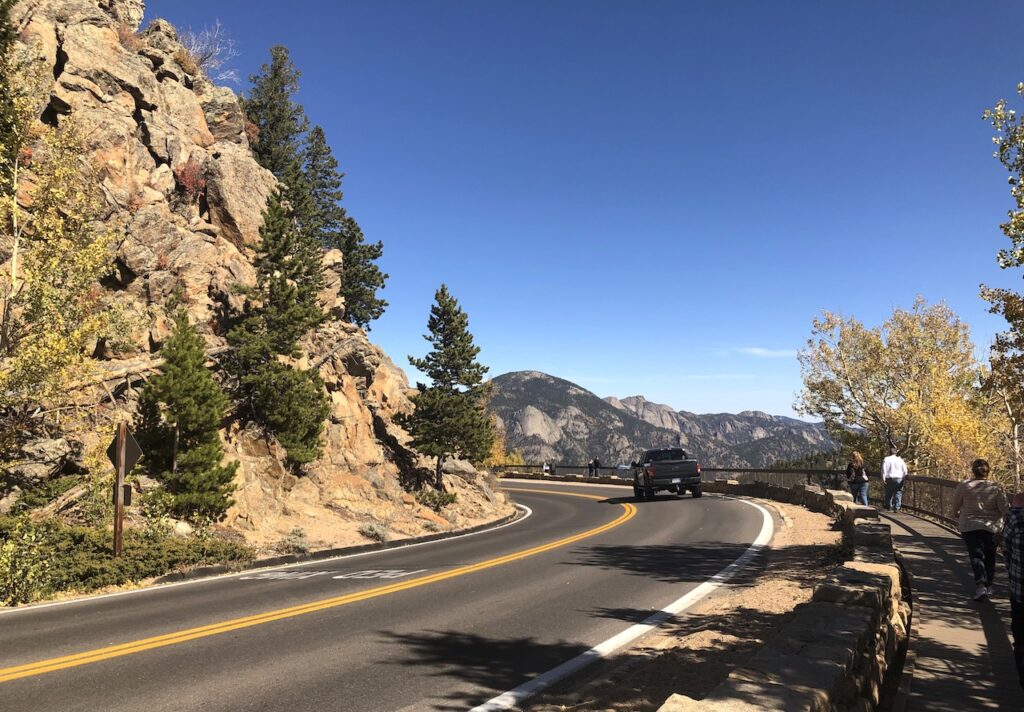
Drive Trail Ridge Road
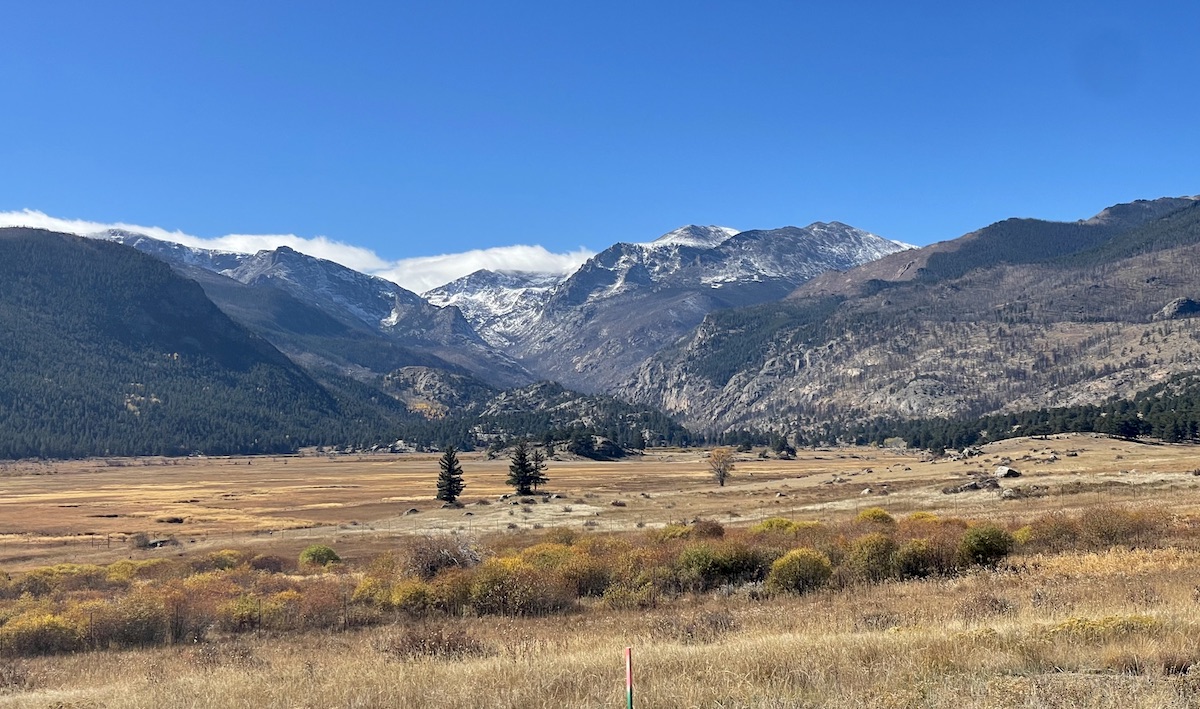
Trail Ridge Road is one of the park’s most popular attractions during the warmer months.
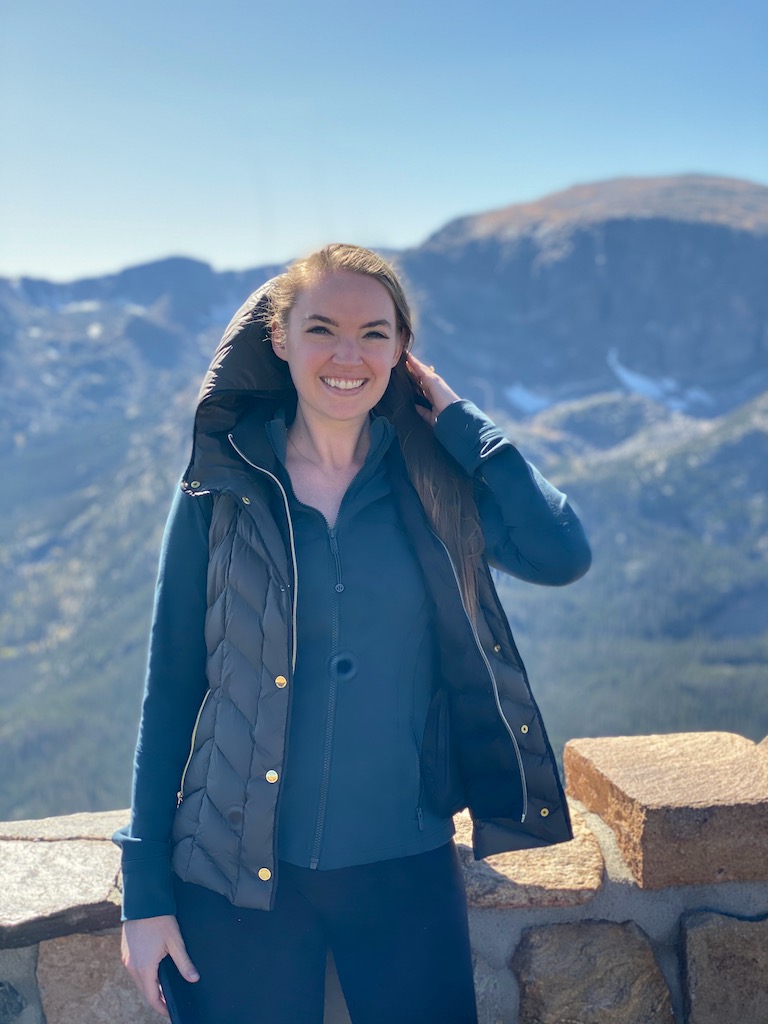
The scenic roadway winds through the higher elevations of Rocky Mountain National Park, crossing the continental divide. All while offering incredible views of mountain vistas, alpine tundra, and wildlife.
The 48-mile road reaches an elevation of 12,183 feet above sea level, making it one of the highest continuously paved roads in North America.
Aspens most commonly grow around 7,000 – 11,000 feet above sea level. So the lower elevations of Trail Ridge Road can be great for leaf peeping.
The alpine tundra of the upper elevations is still beautiful this time of year, just don’t expect any fall colors.
The entire drive requires about 2 hours. You’ll want to take your time, there are many excellent viewpoints worth stopping at, and wildlife sightings can be abundant.
Trail Ridge Road is usually open until mid October, but can close at any time due to weather. Snow is possible this time of year, in fact I’ve encountered snow on Trail Ridge Road in August. Don’t underestimate the extreme weather variances which occur at this elevation.
For the most up to date information on Trail Ridge Road conditions and openings, call the Trail Ridge Road recorded phone line at 970 586-1222.
Alpine Visitor Center
If you’re able to drive Trail Ridge Road, stopping by the Alpine Visitor Center should be on your itinerary.
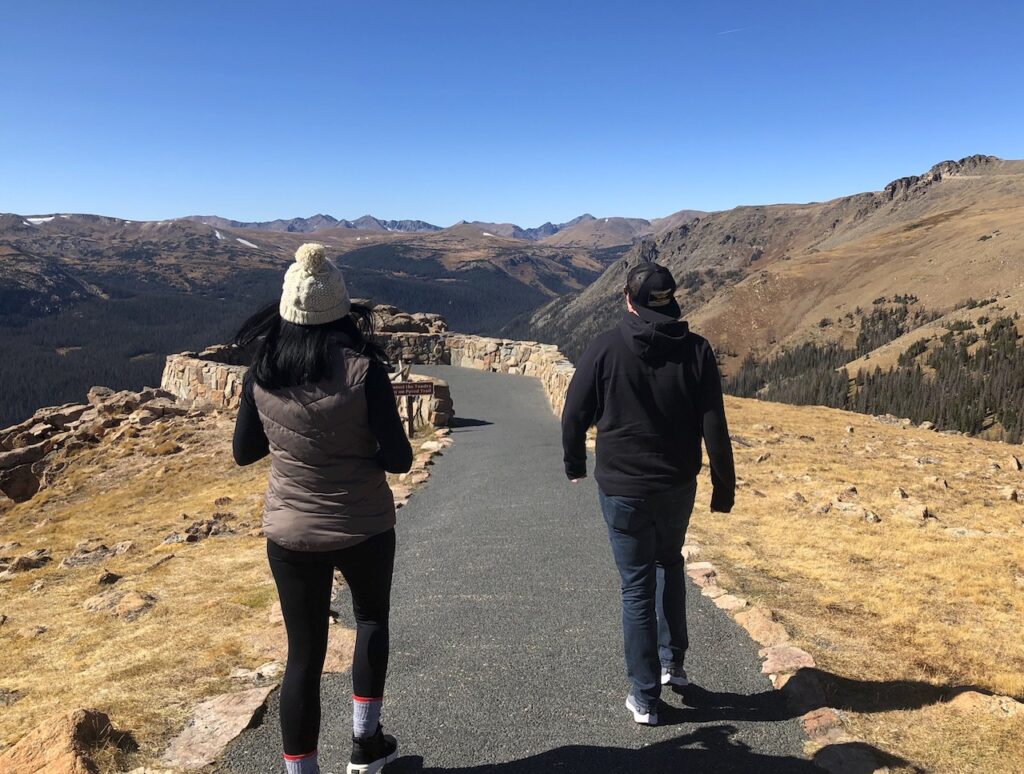
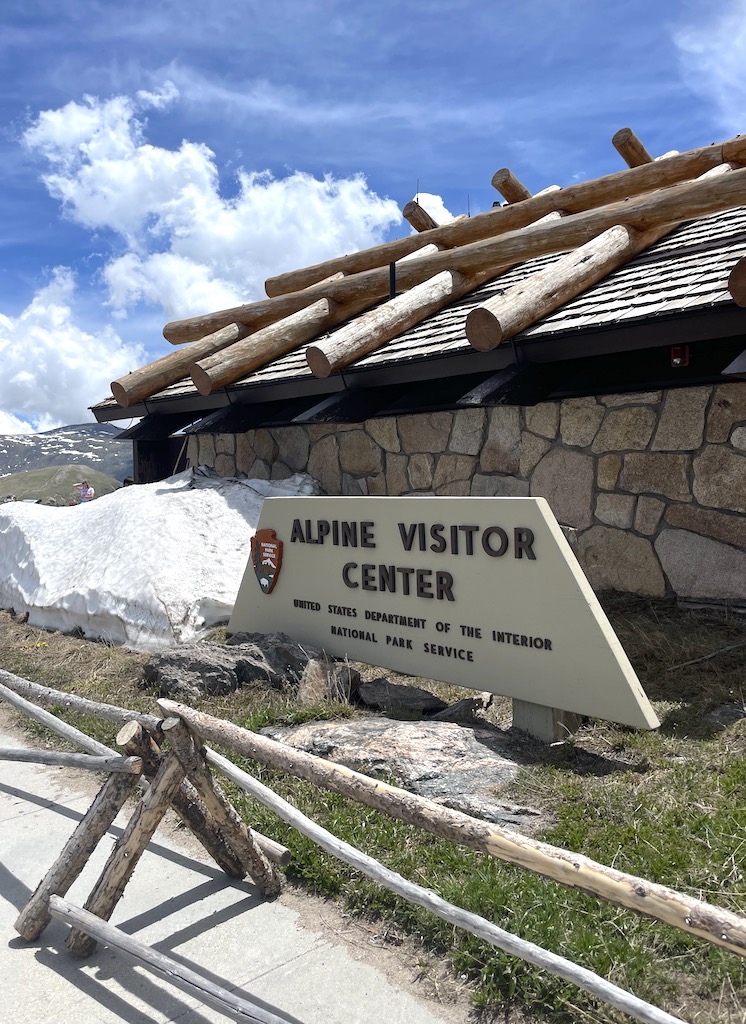
The Alpine Visitor Center is the highest elevation Visitor Center in the National Park System at 11,796 feet above sea level. Located near the summit of Trail Ridge Road, this is a must-stop during your scenic drive.
The center offers a range of facilities for visitors, including restrooms, a gift shop, snack bar, and small museum.
Here you can find exhibits on the geology, ecology, and history of the park or chat with park rangers. The Visitor Center also has excellent panoramic views of the surrounding alpine tundra.
The Alpine Visitor Center usually remains open until early or mid October. You can find hours and season information here: Rocky Mountain National Park Visitor Centers.
If you’re not able to stop by this Visitor Center, check out the park’s other options:
- Beaver Meadows Visitor Center (located on the park’s east side, open year-round).
- Fall River Visitor Center (located on the park’s east side).
- Kawuneeche Visitor Center (located on the park’s west side).
4×4 Tour Of Rocky Mountain National Park
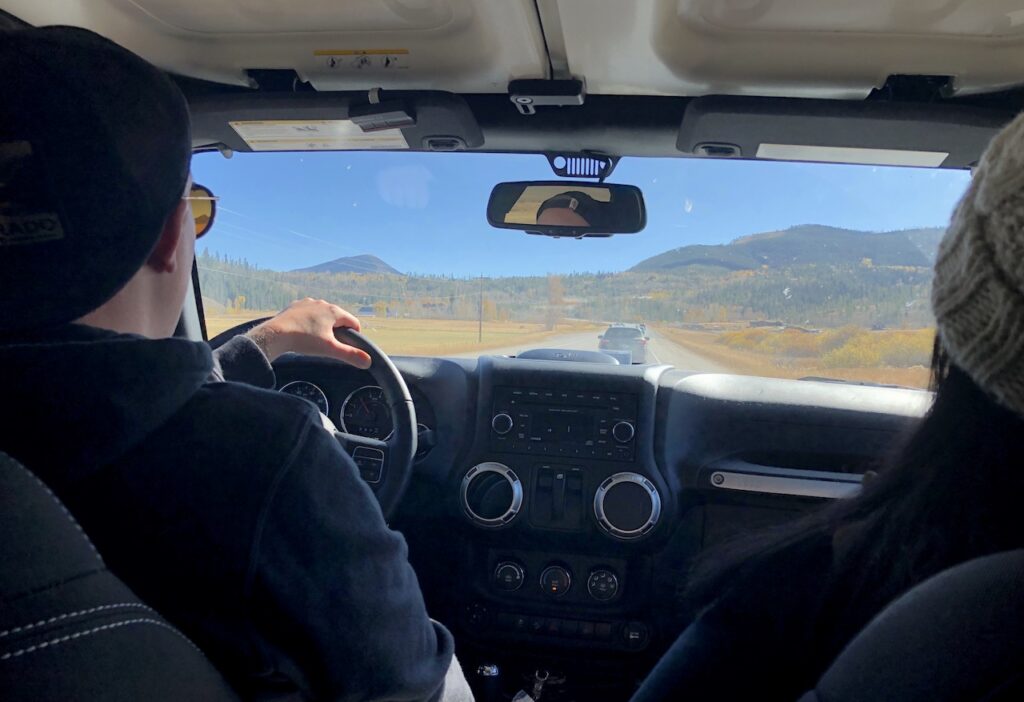
For those who’d rather leaving the driving to someone else, consider a 4×4 or Jeep tour.
4×4 tours in Rocky Mountain National Park offer a thrilling and adventurous way to explore the rugged terrain and natural beauty of the park.
These tours typically involve riding in specially equipped 4×4 vehicles driven by experienced guides who are knowledgeable about the park’s history, geology, and wildlife.
This is a fun way to experience fall in Rocky Mountain National Park.
Check Pricing & Availability For Wildside 4×4 Tours
Check Pricing & Availability For Green Jeep Tours

Fly Fishing
Fishing is among the most popular things to do in RMNP thanks to pristine lakes and streams, and the fall season happens to be a great time for it.
Beautiful and remote alpine lakes, and high elevation rivers — like the Colorado River — make for many top-notch fishing destinations. These sources are home to numerous fish species, including various types of trout.
For those new to fishing, or wanting to learn about the area’s best spots, guided fishing tours are available. Best of all, these tours take you to remote locations, not often visited.
Check Pricing & Availability For Colorado Wilderness Rides & Guides Fishing Trip
Those who’d rather go out on their own, know a fishing license is required for those over 16, and catch and release regulations are in place. For more information, head on over to Rocky Mountain National Park Fishing.
Camping During Fall In Rocky Mountain National Park
Those interested in camping in Rocky Mountain National Park in fall, be aware that most park campsites close shortly after Labor Day.
Aspenglen and Timber Creek Campgrounds remain open until the end of September, and Moraine Park Campground is open year-round. Advance reservations are required to camp in RMNP.
Be sure to review camping guidelines at Rocky Mountain National Park Camping. Rules and opening seasons regularly change.
It’s also important to be prepared for freezing temperatures at night and the possibility for snow.
Rocky Mountain National Park Fall Itinerary
Below is an example of a one day itinerary for Rocky Mountain National Park in the fall:
- Go for a hike such as Alberta Falls, Glacier Gorge Trail, or Emerald & Dream Lake (bring traction devices in case trail is snowy or icy!).
- Watch for elk and other wildlife in Moraine Park (and enjoy the fall colors here!).
- Drive Trail Ridge Road.
- Stop by the Alpine Visitor Center.
- Head to Estes Park or Grand Lake for a late lunch and walk around town.
Rocky Mountain National Park Reservations
During peak season, late-May through mid-October, timed-entry reservations are required to visit Rocky Mountain National Park.
These must be secured in advance and are required in addition to the standard park entrance fee.
There are two types of permits available: Park Access and Park Access+.
- Park Access+ includes access to the entire park including Bear Lake Road — home to some of RMNP’s most popular hikes like Dream Lake and Emerald Lake.
- Park Access includes access to the park except Bear Lake Road. You’ll still be able to explore areas like Trail Ridge Road and Old Fall River Road.
Reservations can be made online at Recreation.gov or by phone. If booking online, you can head directly to the Timed-Entry Reservations RMNP.
If you’re staying in Estes Park and don’t have a Park Access+ reservation, you have a third option: the Hiker Shuttle. This shuttle runs from the Estes Park Visitor Center to the Bear Lake Park & Ride Station. It requires its own separate reservation, which can also be made through Recreation.gov.
No matter which option you choose, keep in mind that time slots book up quickly — especially the early ones. I recommend getting online the moment reservations become available and booking the earliest entry time you can to beat the afternoon crowds.
Parking & Getting Around
Several roads run through Rocky Mountain National Park, connecting key areas and popular points of interest.
The park’s east and west sides are linked by Trail Ridge Road, a scenic, high-altitude highway that’s only open seasonally — typically from Memorial Day through mid-October.
During summer, mild traffic is common throughout the park, and occasional traffic jams can occur, often caused by wildlife on or near the road.
Trailhead parking lots — especially in the Bear Lake Road area — fill up shortly after sunrise during peak season.
If you’re not planning to arrive that early, take advantage of the Bear Lake Park & Ride shuttle system. This free and convenient service runs frequently and provides access to the most popular trailheads along Bear Lake Road.
Even if parking is technically available, I still recommend using the shuttle. The Bear Lake parking areas can be extremely congested and are not fun to navigate.
Fall Weather In Rocky Mountain National Park
Below are average temperatures in Rocky Mountain National Park during fall:
- September – 59° / 38° (average high / low F°)
- October – 46° / 29°
- November – 34° / 20°
Early to mid September is still very summer like, with warm sunny days and cool nights.
Late September and October become much cooler, and the chance for snow increases. Although, sunny days are still aplenty.
November is more like winter, with highs hovering just above freezing and snow expected in the forecast.
No matter the time of year, Rocky Mountain National Park can be very windy so be prepared.
Important Note: The park’s east and west sides see very different weather. For example, the west side gets more snow than the east. Additionally, elevation, which varies greatly throughout the park, will also affect conditions. Weather can be unpredictable and change very abruptly here.
If you’re questioning whether or not conditions are safe, it’s always best to call the Visitor Center. You can find RMNP contact information here: Rocky Mountain National Park Contact.
What To Wear During Fall In Rocky Mountain National Park
What to wear when visiting Rocky Mountain National Park in the fall will vary.
Those visiting in early September won’t need much more than regular summer attire. For example, pants and a t-shirt, plus a jacket or long sleeve. Mornings and evenings will cool off significantly, so bring layers.
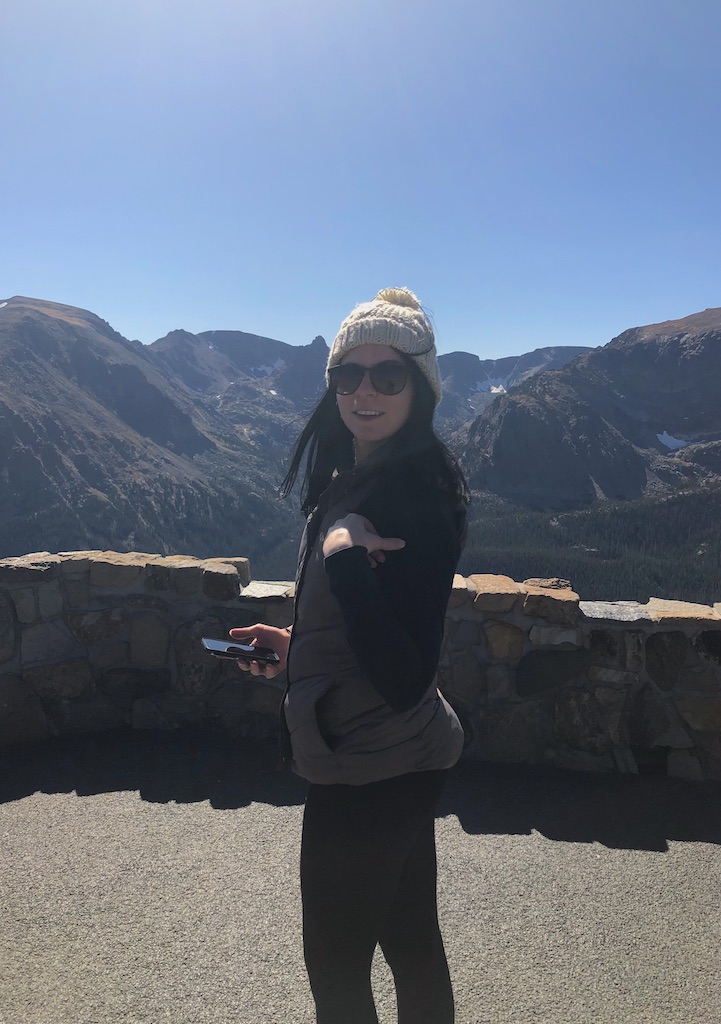
For those visiting during late September or October, warmer layers are appropriate. Plan on pants and a long sleeve shirt, plus a jacket. Additionally, cold weather accessories, such as a warm hat, scarf, and gloves, may be necessary.
If snow is in the forecast you will also need waterproof items and additional warm layers, plus traction devices and hiking poles if hiking. Keep in mind, it may be sunny and warm in Estes Park while simultaneously snowing in the high elevations of Rocky Mountain National Park.
For those visiting in late fall, or when very cold weather is forecasted, check out Winter In Rocky Mountain National Park for more accurate packing information.
No matter the time of year, don’t forget sun protection, such as hat, sunglasses, and sunscreen. At the park’s high attitude the sun is more intense and it’s easier to burn.
Where To Stay Near Rocky Mountain National Park During Fall
Aside from camping, there is no lodging in Rocky Mountain National Park.
Estes Park and Grand Lake are the towns nearest the park.
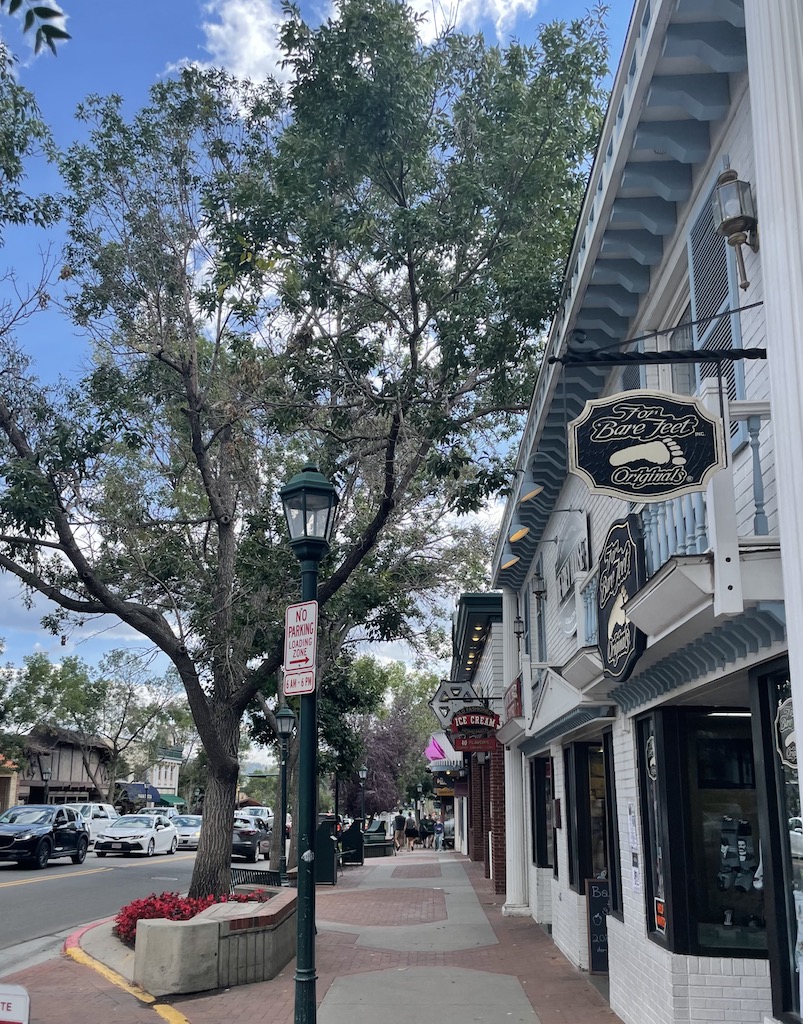
The town of Estes Park is located just off the park’s east entrance. This is a very popular town and gets very busy in fall.
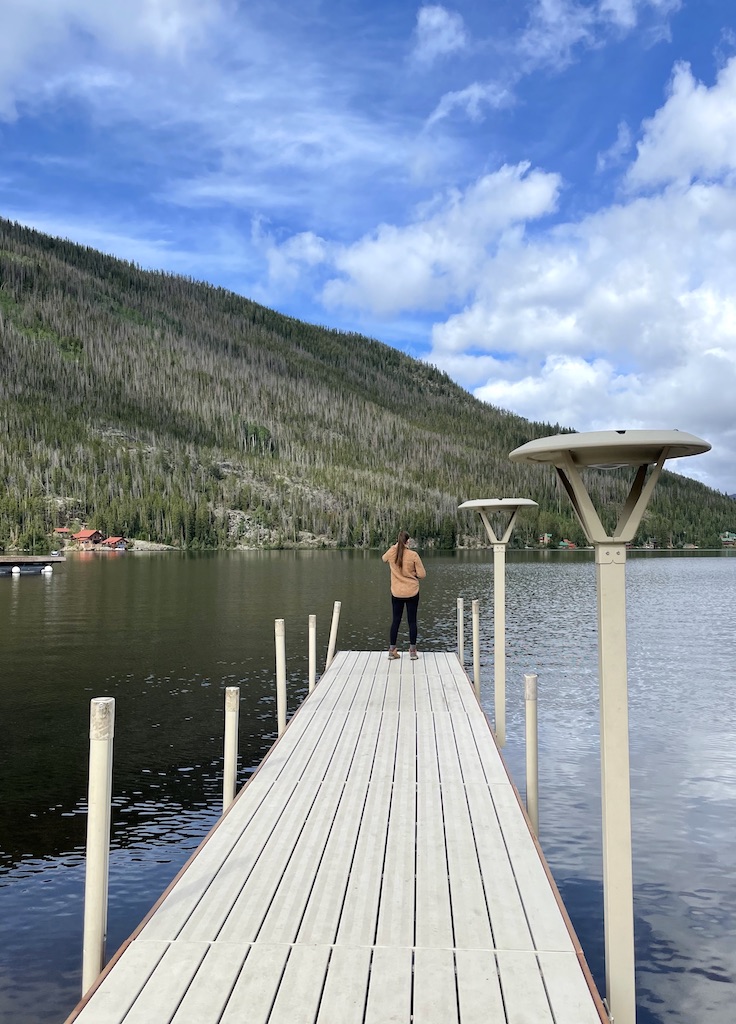
Grand Lake sits on the edge of the park’s west entrance. This is also a popular tourist destination, although less busy than Estes Park. The lake here is gorgeous.
The west side of the park has less attractions than the east side. Navigating from the west to east side (and vice versa) can be done via Trail Ridge Road, it requires about 1.5 – 2 hours.
However, if Trail Ridge Road closes, it then takes about 3 – 3.5 hours to drive from the park’s west to east side. This is an important consideration in fall. Trail Ridge Road typically closes in mid October, but can close at any time due to weather.
Estes Park Hotels & Lodging
There are many hotel and vacation rental options in Estes Park, although you will find few chain hotels.
A few popular hotels in Estes Park are the Stanley Hotel, The Maxwell Inn, and Fall River Village.
For vacation rental ideas, check out: Estes Park: Cabins On The River.
Grand Lake Hotels & Lodging
Grand Lake has a decent variety of small hotels and vacation rentals. There are no chain hotels here.
Some popular hotels in Grand Lake include Grand Lake Lodge and Gateway Inn.
For vacation rental ideas, check out Grand Lake: Best Cabins For Rent.
I hope you’ve found this helpful in planning your fall visit to Rocky Mountain National Park and have the best time!
Any questions or additional ideas? Please leave a comment below or reach out on social media.
Looking for more ideas? Below are additional Colorado and National Park guides or head on over to the National Park Service.
More Information For Your Visit To Rocky Mountain National Park:
- One Day In Rocky Mountain National Park: Best Things To Do
- West Side Of Rocky Mountain National Park: Top Things To Do
- Winter In Rocky Mountain National Park: The Best Things To Do
- The Best Rocky Mountain National Park Tours
More Information For Your Colorado Vacation:
Pin for later!



When you leave the visitor center on Trail Ridge road and head towards Estes Park there is a formation of rocks with one on either side of the road. I’d like to someday get a picture of those as they hold a special meaning to me. Hopefully I can get back up there soon.
Hi Larry,
That’s awesome, I hope you’re able to get that photo. That area is very beautiful.
Amy