
Colorado Travel Guide: Everything To Know Before You Go (from a local!)

Colorado is a mountain destination that offers more than you expect — and comes with logistics that are often more complex than people imagine. It’s a state shaped by dramatically different regions, major elevation changes, and seasonal extremes that directly influence how (and when) you should travel.
While living in Colorado for over 20 years and exploring the state extensively, I’ve seen how often visitors underestimate how much planning actually matters here.
This guide breaks down how Colorado works — from weather and regions to logistics and timing — so you can choose the right time to visit, pick the best base, and plan a trip that feels smooth instead of overwhelming.
Here’s everything you need to know before visiting Colorado.

Colorado Travel Guide: Everything You Need To Know
Is Colorado Right for You?
Who Colorado Is Best For
Colorado is a great fit for travelers who love scenery and being outdoors — whether that means scenic drives, viewpoints, and mountain towns, or more active adventures like hiking and skiing.
It’s also ideal for travelers who want to combine city experiences with easy access to the mountains.
Who Might Struggle
Colorado can be challenging if you’re sensitive to altitude, prefer destinations with extensive public transportation, or don’t enjoy outdoor-oriented travel at all.
Winter can also be difficult for travelers who are uncomfortable driving in snow, though there are ways to plan around this depending on where you stay.
What Makes Colorado Different
Unlike many mountain states, Colorado has a dense concentration of high-elevation towns spread across multiple climate zones, each with its own personality, plus a Front Range corridor that feels completely separate from the alpine regions.
It’s entirely possible to go from a sunny city patio to snowy mountain passes in a single day.


Best Places To Visit In Colorado
Colorado Regions At A Glance
Understanding Colorado by region makes trip planning much easier:
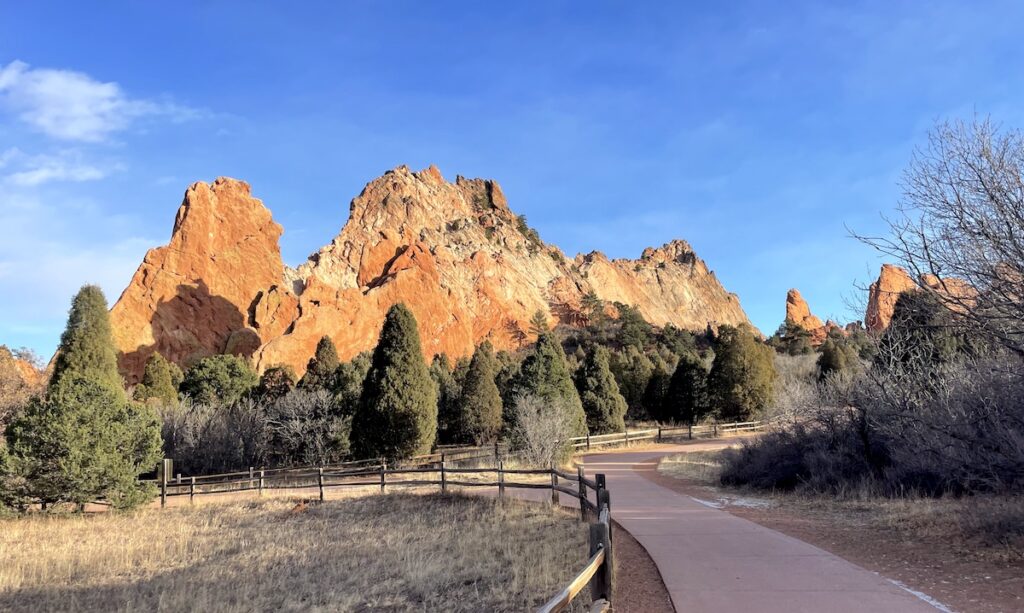
Front Range – Denver, Boulder, Colorado Springs
Urban centers with major airports, cultural attractions, and easy access to nearby foothills and mountain day trips.
Central Mountains – Summit County, Aspen, Vail
Classic alpine scenery, major ski resorts, high-elevation hiking, and postcard mountain towns.
Western Slope – Grand Junction, Palisade
Warmer, drier climate with desert landscapes, wine country, canyon scenery, and fewer crowds.
Southwest Colorado – Durango, Ouray, Telluride
Dramatic mountain terrain, remote ski resorts, hot springs, and access to isolated alpine areas.
Each of these regions feels distinct in terms of landscape, things to do, and accessibility — and understanding those differences will make choosing where to go (and how long to stay) much easier.
Colorado Mountain Towns
Colorado’s mountain towns vary widely in feel — some are polished and resort-focused, others rugged and outdoorsy. Getting here will require more time and effort than visiting the cities.
These are among the most popular and easiest for first-time visitors:
- Aspen – World-famous skiing, a strong food scene, and a refined mountain atmosphere.
- Vail – Resort town with easy access and world-class skiing.
- Breckenridge – Lively, laid-back, with great skiing and snowboarding.
- Telluride – Remote, dramatic, and one of the most scenic settings in the state.
- Ouray – Small and rugged, known for hot springs and off-roading.
- Steamboat Springs – Relaxed, outdoorsy, great skiing, and Western vibe.
- Durango – Outdoorsy, historic scenic train, and great access to southwest Colorado.
- Estes Park – Gorgeous views, gateway town to Rocky Mountain National Park.
- Grand Lake – Quieter, lakefront alternative near RMNP’s west entrance.
- Glenwood Springs – Known for hot springs and a convenient I-70 location.
Compared to visiting the Front Range it will take effort to reach these towns. However, they are among the most accessible and easiest to navigate for newcomers. For more guidance, see The Best Colorado Mountain Towns For First-Time Visitors.


Colorado Cities & The Front Range
Colorado’s cities work well as bases, shorter trips, or city-and-mountain combinations.
- Denver – Best for culture, music, sports, food and day trip access to multiple regions (including city & mountain destinations).
- Boulder – Scenic, walkable, great food, and ideal for mixing city life with outdoor recreation.
- Colorado Springs – A strong southern Front Range base, city conveniences amid dramatic landscapes.
For more, check out the Best Colorado Cities & Regional Hubs For Visitors.
Colorado National Parks
The national parks here do an excellent job highlighting the state’s geographic range:
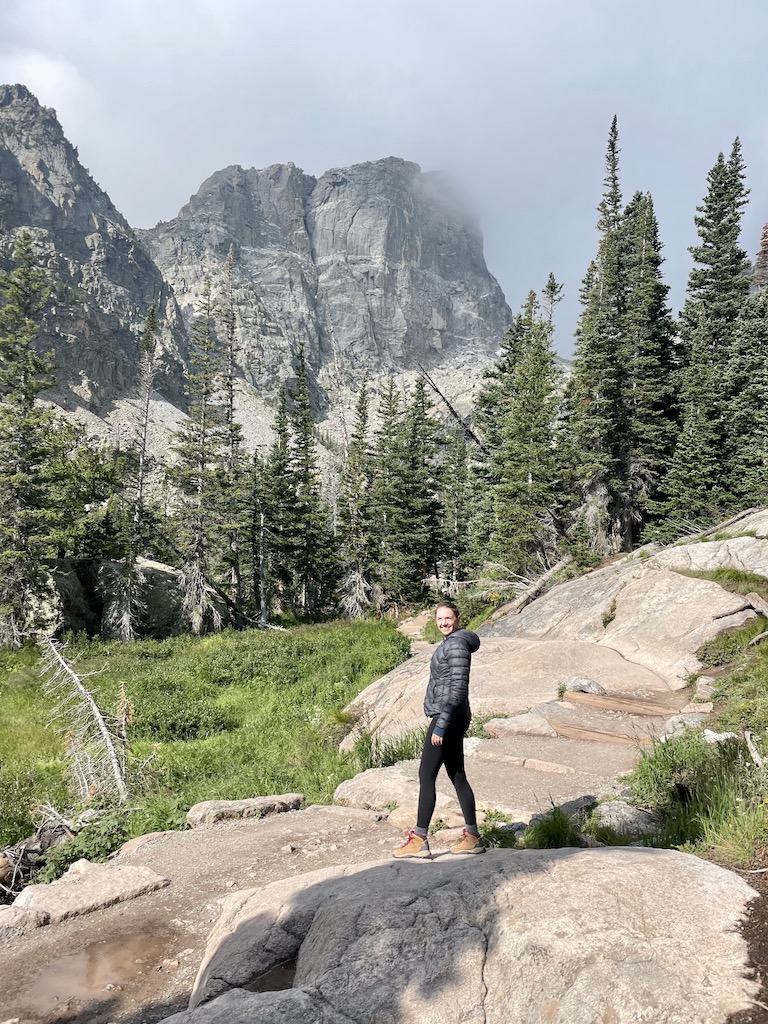
- Rocky Mountain National Park – Stunning mountain views, alpine lakes, wildlife, and scenic drives.
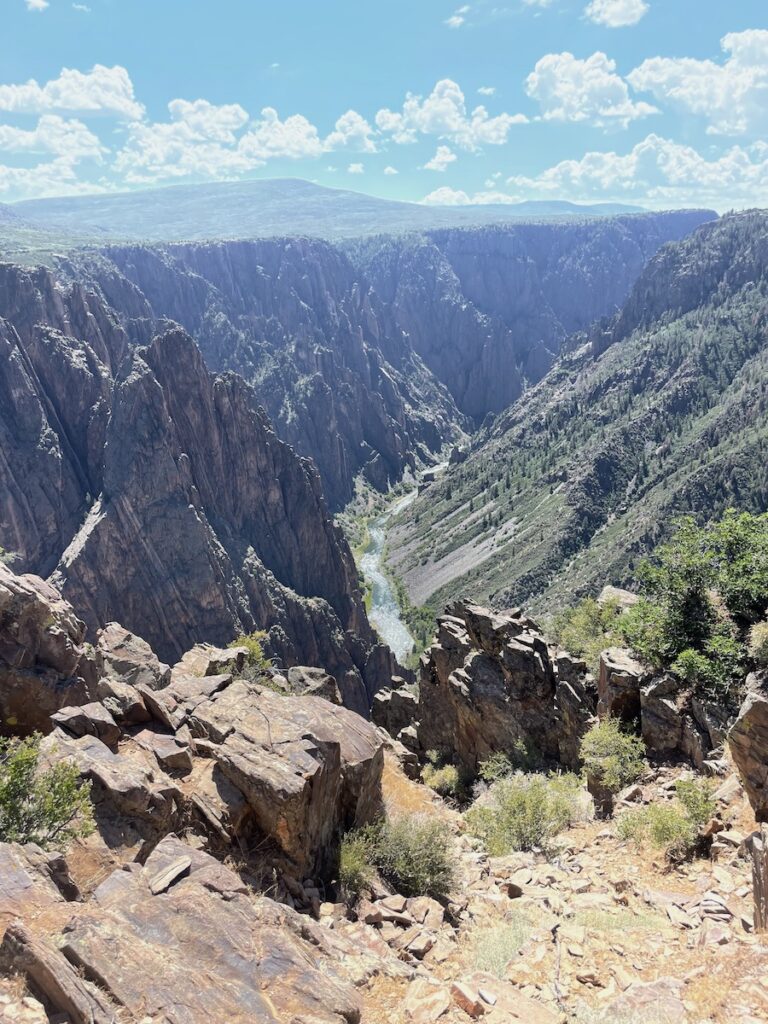
- Black Canyon of the Gunnison – Deep, dramatic canyon in remote location with fewer crowds.
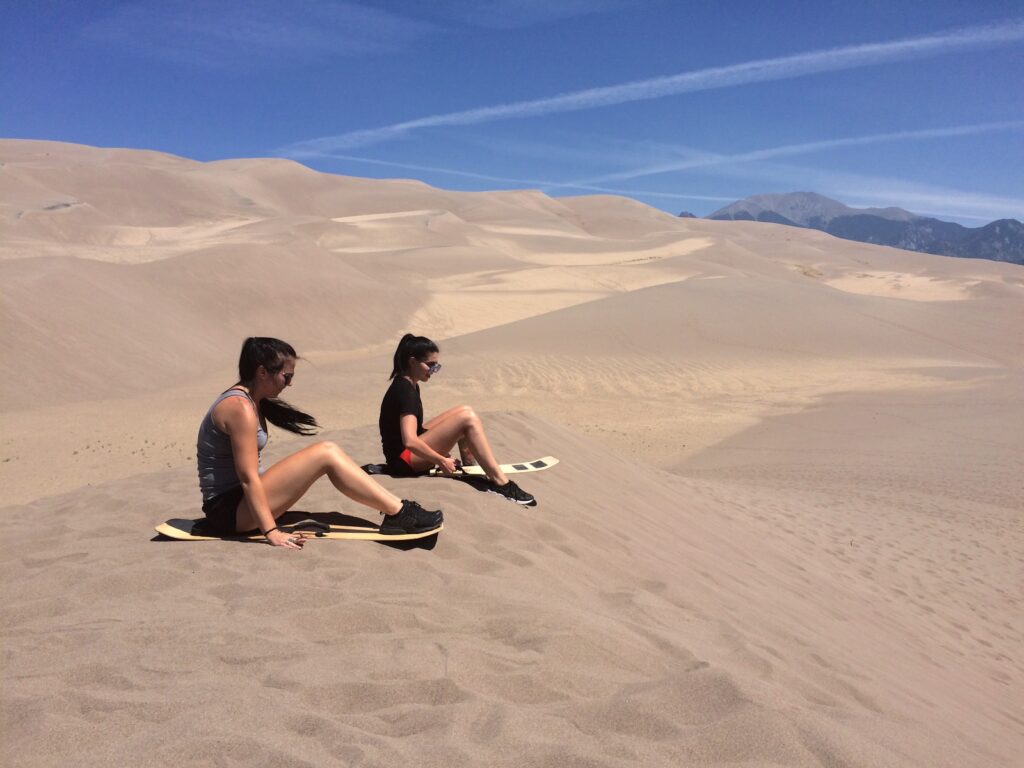
- Great Sand Dunes National Park – Towering sand dunes (the largest in North America) backed by mountains.
- Mesa Verde National Park – Ancient cliff dwellings built by the Ancestral Pueblo people.
The state’s national parks are surprisingly spread out, to see them all in one visit you’ll need to plan a 7 – 10 day road trip. Check out my 10-day Colorado National Park Road Trip for more ideas.

Best Time To Visit Colorado (By Season)
One of the biggest mistakes travelers make is assuming Colorado’s seasons behave like the rest of the U.S. (they don’t), or that weather will be similar statewide (it varies dramatically).
Elevation and geography matter here. Conditions will be completely different between the mountains, the Front Range cities, and western Colorado — even on the same day. Colorado also deviates a bit from a traditional four-season calendar, especially at higher elevations.
Let’s break it down by season…
Colorado In Winter
Winter conditions in Colorado depend heavily on elevation.
In the mountains, winter typically runs from November through April, with snowpack lingering into early summer at higher elevations. This is peak season for ski towns, snow sports, and winter scenery. Most ski resorts open around Thanksgiving and close in early to mid-April, with January through March offering the most reliable snow conditions.
Along the eastern Front Range and far Western Slope, winter is shorter — roughly late November through March — with far less snow, frequent sun breaks, and faster melt between storms. These regions sit in a rain shadow of the Rockies and are semi-arid, high-desert climates. While Front Range cities are still cold this time of year, they’re often milder than many Midwest and Northeast cities.
For ideas of where to visit, check out my guide to the Best Winter Destinations In Colorado or if you’re visiting around the holidays, The Best Christmas Towns In Colorado.

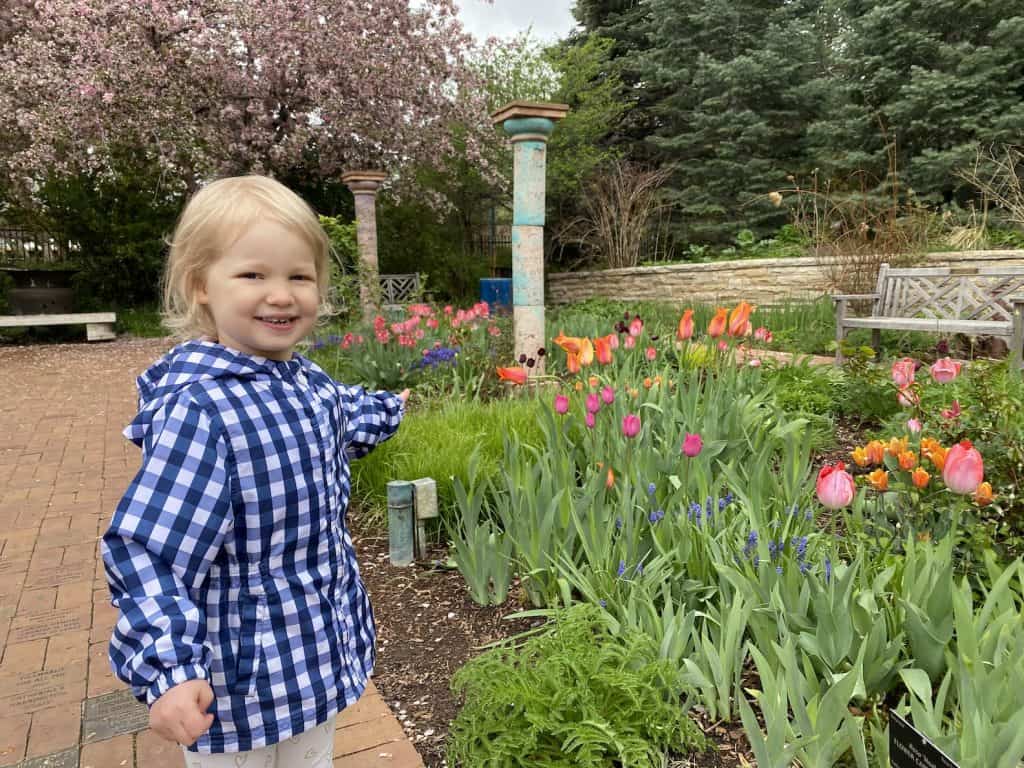
Colorado In Spring
Spring is the most misunderstood season in Colorado.
In the mountains, March and early April are still winter and often deliver excellent late-season skiing. From late April through early June, conditions shift into “mud season.” Snow is melting, trails are muddy or inaccessible, skiing is mostly finished, and summer activities haven’t started yet. Many mountain towns operate on limited schedules or temporarily close late April until Memorial Day Weekend. Cheap lodging can be tempting during this period — but understand that mountain towns will have closures and limited access.
Along the Front Range, spring runs roughly March through May and is highly unpredictable. March and April are often Denver’s snowiest months, but snow usually comes in a few heavy storms separated by warm, sunny days. By May, snow becomes rare and afternoon thunderstorms become more common.
Generally speaking, early spring is great for skiing and mountain towns while late spring is better for cities and lower-elevation destinations.
For spring break ideas, check out the Best Spring Break Destinations In Colorado.

Colorado In Summer
Summer is when Colorado fully opens up — and it’s my favorite season.
Summer conditions in the mountains typically begin mid to late June and taper off by early September, while summer weather on the Front Range and Western Slope generally runs from late May through mid September.
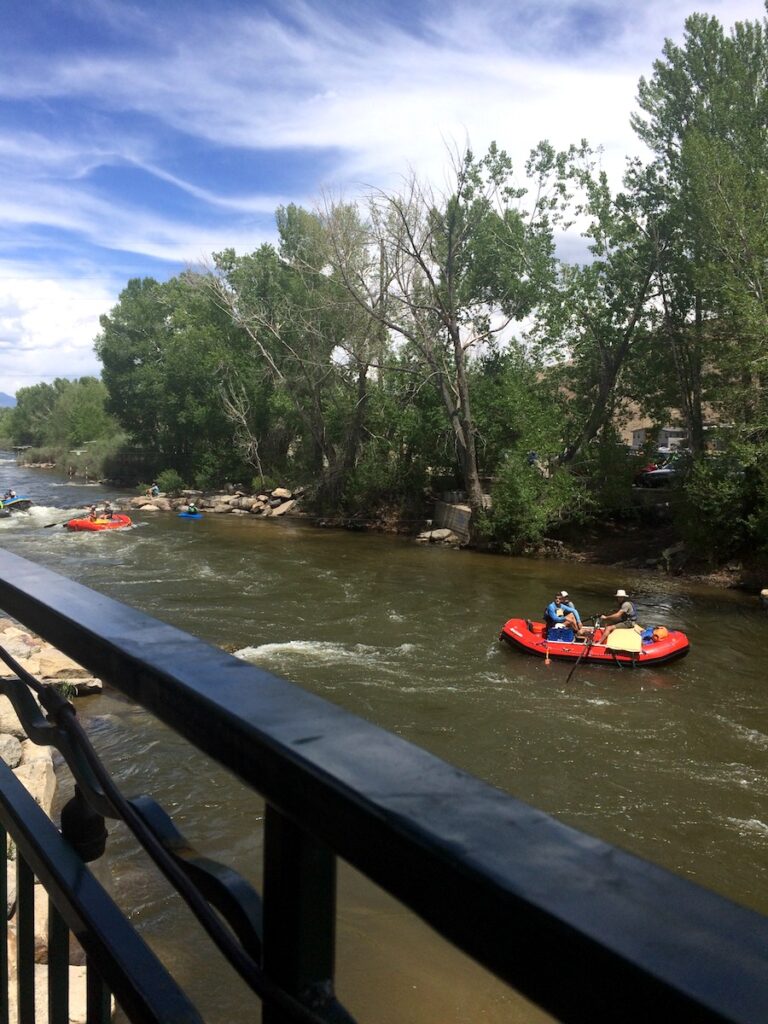
This is peak time for hiking, wildflowers, alpine lakes, scenic drives, and festivals across the state. Mountain regions and the foothills are ideal for outdoor activities like hiking, backpacking, rafting, mountain biking, and scenic train rides, plus high mountain passes and alpine roads finally become accessible.
Cities also come alive in summer, with outdoor concerts, food and beer festivals, farmers markets (a lot of them), and sporting events happening almost every weekend. It’s also easy to day trip to the mountains this time of year, making this season great for a city-mountain trip.
Two important things many visitors don’t expect: afternoon thunderstorms are common statewide in summer, they’re usually brief but intense — and especially dangerous at high elevations (10,000+ feet) — which is why mornings are the best time for hiking and outdoor activities.
It’s also important to know that snow is possible in the mountains year-round. Above 10,000 feet this can happen even in mid-summer, while at lower mountain elevations (around 7,000 – 9,000 feet) snow is uncommon in July and August but still possible, with a higher likelihood in June and September.
Check out my guide to The Best Colorado Mountain Towns In Summer for more ideas.



Colorado In Fall
Fall in Colorado is short but beautiful.
Colorado isn’t known for large expanses of deciduous forest — much of the landscape is evergreen — so fall colors aren’t as diverse as in the U.S. Northeast or Midwest. That said, golden aspen groves set against alpine backdrops still make this one of the most scenic times of year.
Mountain regions typically see peak fall colors from late September into very early October, with different areas peaking at slightly different times. Depending on weather conditions, peak color can last anywhere from a few weeks to just a few days. (The mountains are where the iconic aspen groves grow — roughly between 7,000 and 11,000 feet in elevation.)
The Front Range and far Western Slope change later — often from mid or late October into November — and while these regions have a wider mix of deciduous trees, overall tree density is still pretty low (remember, this is a semi-arid climate zone).
At higher mountain elevations, snow is possible as early as September and becomes increasingly likely by October, with noticeably cooler temperatures compared to summer. Cities, on the other hand, often experience mild, pleasant fall weather, with snowfall becoming more common toward late October and November.
While fall generally brings fewer crowds overall, popular foliage corridors and mountain towns can still be extremely busy due to the short and highly concentrated color season.
For some of my favorite fall destinations, check out my guide to the Best Places To Visit In Colorado In Fall.

Best Time To Visit Colorado By Travel Style
- Ski trips → January – March
- Hiking + summer activities → Late June – early September
- Fall colors → Late September – early October
- City trips → Year-round
- Budget travel in the mountains → Late April – mid May, November (but expect limitations)
Top Things To Do In Colorado
Outdoor & Scenic Experiences
Colorado is best known for its outdoor and scenic experiences, and the scale is part of what makes the state so special.
Colorado is home to 30+ ski resorts, offering some of the best skiing and snowboarding in the world, along with winter activities like snowshoeing, ice skating, and snow tubing. At the same time, the state also features thousands of alpine lakes, over 40 state parks, 10 scenic railroads, 4 national parks, and millions of acres of protected public land that supports hiking, camping, rock climbing, wildlife viewing, and lake-based recreation.
Additionally, scenic drives, mountain passes, overlooks, and high-alpine viewpoints make it easy to experience Colorado’s landscapes without committing to long or technical hikes — delivering big scenery without technical difficulty, which is a huge bonus.
While availability varies by region and time of year, Colorado’s outdoor appeal isn’t limited to a single season. From snow-covered peaks to summer wildflower meadows and fall colors, the state offers year-round opportunities to experience its landscapes in very different ways.



Food, Sports & Culture
Colorado’s food and culture scene often surprises visitors.
The state is known for its giant craft beer scene but it’s also home to Michelin-starred restaurants, excellent farmers markets, countless food halls, and diverse dining options — especially in the Denver metro area. Mountain towns like Aspen, Vail, and Boulder also consistently punch above their weight when it comes to dining (Aspen is one of the smallest cities in the world with a Michelin star, for example).
Sporting events are a major part of life in Colorado, particularly in Denver, which is home to professional teams across nearly every major league. Attending a game — whether it’s baseball at Coors Field, hockey or basketball downtown, or football in the fall — is a popular and distinctly local way to experience the city. One unique perk is that most of Denver’s major stadiums are located downtown, making it easy to combine games with dining, nightlife, and sightseeing.
Colorado hosts major events throughout the year, spanning alpine sports, music, culture, and seasonal celebrations. Highlights range from the Winter X Games and National Western Stock Show to Denver PrideFest, Sundance Film Festival, the Great American Beer Festival, Frozen Dead Guy Days, and iconic mountain town festivals like Telluride Bluegrass.
Denver and Colorado Springs anchor the state’s museum scene, with standout institutions like the Denver Art Museum alongside immersive attractions such as Meow Wolf Denver and the U.S. Olympic & Paralympic Museum. Mountain towns also offer smaller but meaningful cultural experiences, often focused on regional mining history and Native American heritage.
Live music and festivals round out the experience, with Red Rocks Amphitheatre standing out as one of the most iconic concert venues in the world, plus a packed calendar of musical events happening statewide year-round.



How Long To Spend In Colorado
Here’s how to structure your visit depending on how much time you have.
- 2–4 days: Choose one base, explore nearby highlights
- 5–7 days: Choose one region or a city + mountain town
- 7–10 days: Ideal for a road trip
Getting Around Colorado
A car is usually required, especially outside cities. Public transit, shuttles, and tours work well in some areas — particularly in ski towns and Denver — but flexibility is limited.
Winter driving requires preparation, especially in the mountains, where snowstorms are common and traction laws are in effect.
And remember, distances may look short on a map, but mountain roads, traffic, and passes can significantly increase travel time.
Altitude
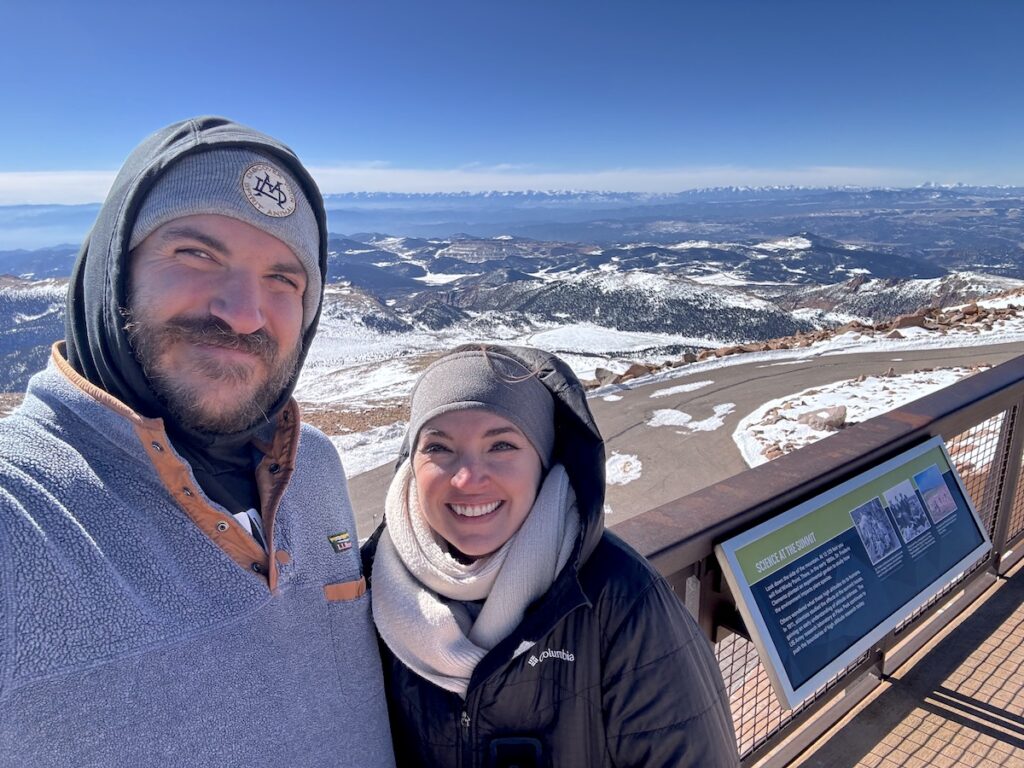
Altitude awareness matters, especially for visitors coming from sea level. Denver and Colorado Springs sit around 5,000 – 6,000 feet, while many mountain towns exceed 7,000 feet, making mild headaches, fatigue, or shortness of breath common at first.
The best approach is to take it slow, ease in with a day or two at lower elevations, stay well hydrated, and limit alcohol initially. Above 10,000 feet, acclimation becomes even more important, ascending slowly is important for safety and health.
Where To Stay In Colorado: Start Planning Your Trip
Now that you have a sense of how Colorado works, the next step is choosing the right place to base your trip.
Cities and larger towns often make the easiest bases, especially for first-time visitors. Denver and Colorado Springs offer major airports, easy car rentals, and convenient access to nearby parks, foothills, and mountain destinations.
Outside the Front Range, towns like Vail, Aspen, Glenwood Springs, Durango, Estes Park, and Grand Lake work well as beginner-friendly mountain destinations. Just keep in mind that mountain driving takes longer than it looks on a map, and some high-elevation passes are seasonal, which can affect routing and day trips.
Use these guides as your next step in planning:
- Best Colorado Mountain Towns For First-Time Visitors
- Underrated Colorado Mountain Towns Worth Visiting
- Best Luxury Destinations In Colorado
- Best Colorado Cities & Regional Hubs For Visitors
- Where To Stay Near Colorado National Parks (Best Base Towns)

With the right timing, base, and expectations, Colorado is one of the most diverse and memorable states to explore. Check out Visit Colorado or use the guides below to start building your trip — and enjoy Colorado!
Any questions? Leave a comment below or reach out on social media.
More Information For Your Colorado Vacation:
- Aspen, Colorado Guides
- Black Canyon of the Gunnison National Park Guides
- Boulder, Colorado Guides
- Breckenridge, Colorado Guides
- Colorado Springs, Colorado Guides
- Denver, Colorado Guides
- Durango, Colorado Guides
- Estes Park, Colorado Guides
- Grand Lake, Colorado Guides
- Ouray, Colorado Guides
- Rocky Mountain National Park Guides
- Silverton, Colorado Guides
- Steamboat Springs, Colorado Guides
- Telluride, Colorado Guides
- Vail, Colorado Guides
- All Colorado Guides
Pin for later!


Keep Up With Amy!
Subscribe to the newsletter for the latest updates in your inbox. And don’t forget to connect on your favorite social platform!
Thank you!
You have successfully joined our subscriber list.