
Underrated Colorado Mountain Towns (Worth A Visit!)

Colorado’s most famous mountain towns tend to dominate travel guides, but some of the state’s most rewarding places sit just outside that spotlight.
Many of these towns are well loved by locals yet overlooked by visitors, or are far enough off the main routes that they require a little extra intention to reach. Some are small and lesser-known, others are quiet and remote, and a few are popular as quick stopovers but rarely get the full attention they deserve.
As someone who lives in Colorado and has spent over 20 years exploring the state — with plenty still left to discover — I’ve found that some of the best mountain towns here are the ones that stay under the radar.
These are some of the best underrated Colorado mountain towns to consider for your next trip.
The Most Underrated Colorado Mountain Towns
Lake City
Lake City is one of those towns that makes you realize how wild and empty parts of Colorado still are. Tucked deep into the San Juan Mountains, it feels genuinely remote, surrounded by dramatic peaks, alpine lakes, and long stretches of backcountry road. It’s a great base for hiking, off-roading, fishing, and exploring nearby ghost towns, and what really sets it apart is how uncrowded it remains, even in summer.
Lodging in this small town is simple and practical, with motels, historic inns, and cabin rentals. Wildflower Cabins is a good option for easy town access and scenic views.
Summer and early fall are the best times to visit, while winter is quiet and beautiful but more weather-dependent. Lake City is about a 1 hour drive from Gunnison Airport and roughly 5 hours from Denver International Airport.
Silverton
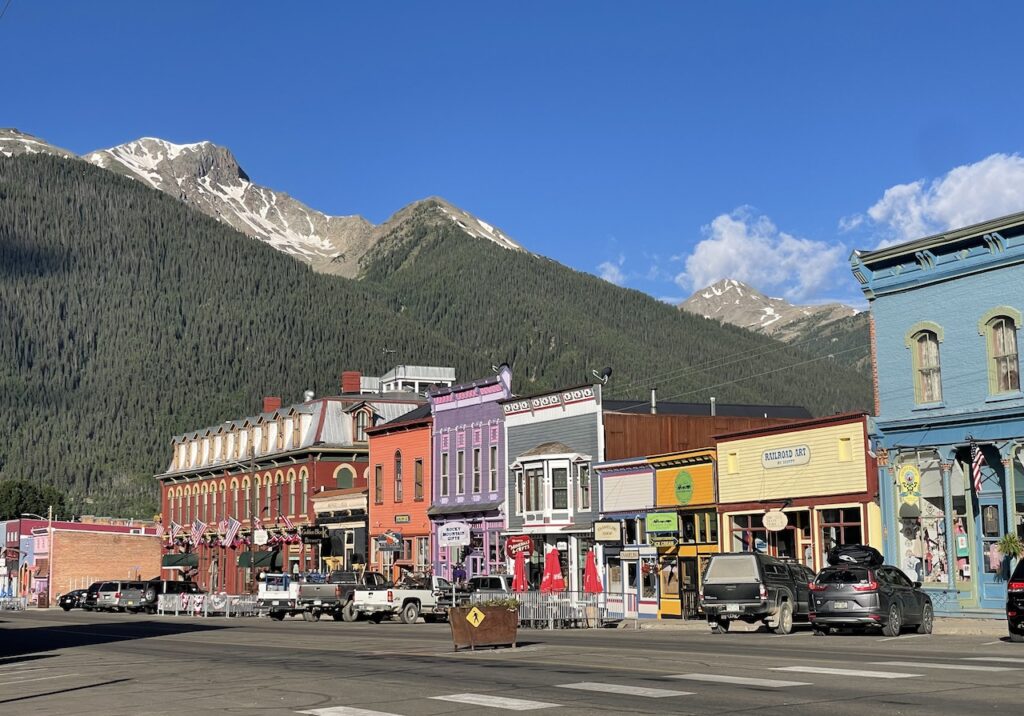
Silverton is small, rugged, and rich with history — and that’s exactly why it stands out. Sitting at nearly 9,300 feet, it’s surrounded by some of the most dramatic mountain scenery in the state, and is shaped by a long mining history that still defines the town.
While the Durango & Silverton Narrow Gauge Railroad brings visitors in bulk, the majority only stay for a few hours. Spend the night, and you’ll quickly notice how quiet and peaceful the town becomes once day-trippers leave. I’ve put together a few Silverton guides that break down the best things to do in this underrated town, check them out at Silverton, Colorado Guides.
Lodging is limited but charming, centered around historic hotels, small inns, and a few thoughtfully updated properties. Summer availability fills quickly, so planning ahead matters — I’ve rounded up the top options in my guide to the Best Hotels In Silverton.
Summer is ideal for hiking and Jeep trails, while winter attracts experienced backcountry skiers. The Million Dollar Highway is part of the appeal, though winter driving requires extra caution.
Silverton is about an hour from Durango–La Plata County Airport and roughly 6 – 6.5 hours from Denver by car.
Crested Butte
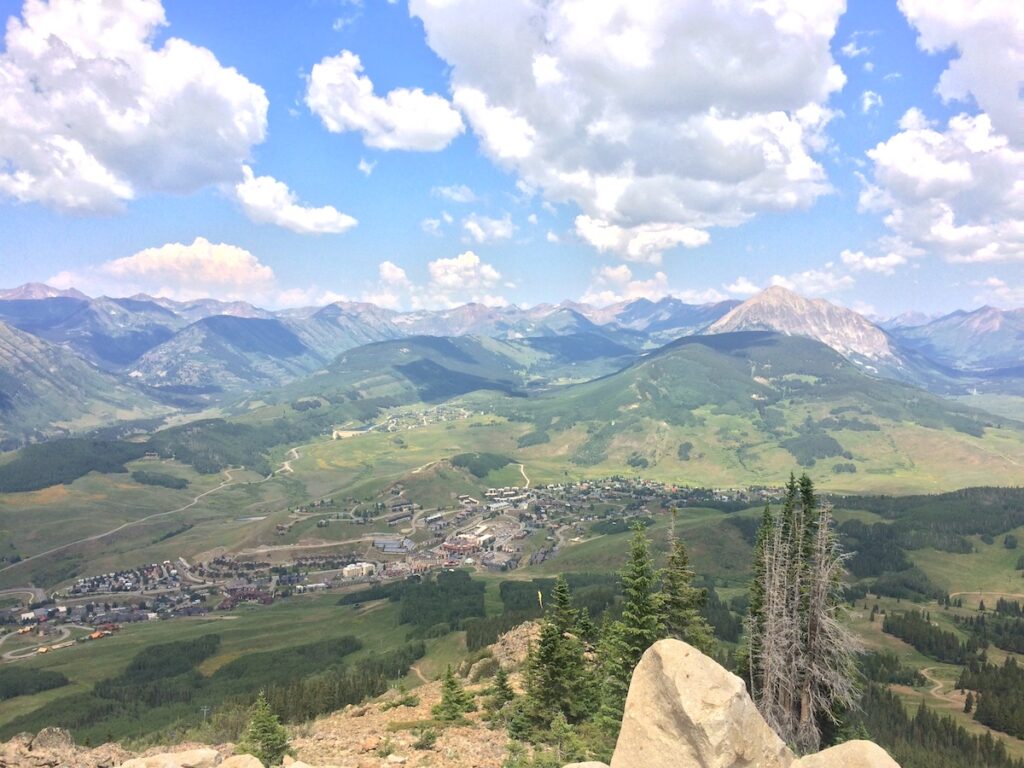
Crested Butte often gets labeled as a ski town — and it is a great one — but it’s far more than that and much less flashy than many people expect. The town has a laid-back, slightly artsy feel, with colorful storefronts, locally owned restaurants, and a strong outdoor community.
Summer is when it really shines, thanks to wildflowers and trail access right from town, though winter skiing is also a major draw. It manages to feel lively without feeling overdeveloped, which is increasingly rare in Colorado.
Lodging ranges from boutique hotels and ski-in/ski-out condos to cozy inns in town. Staying downtown offers walkability and character, while Mount Crested Butte makes more sense if skiing is your priority. Old Town Inn is a solid in-town option.
Crested Butte works well year-round, with hiking and biking in summer, standout fall colors, and approachable winter skiing.
It’s about 45 minutes from Gunnison–Crested Butte Regional Airport and roughly 4.5 hours from Denver.

Leadville
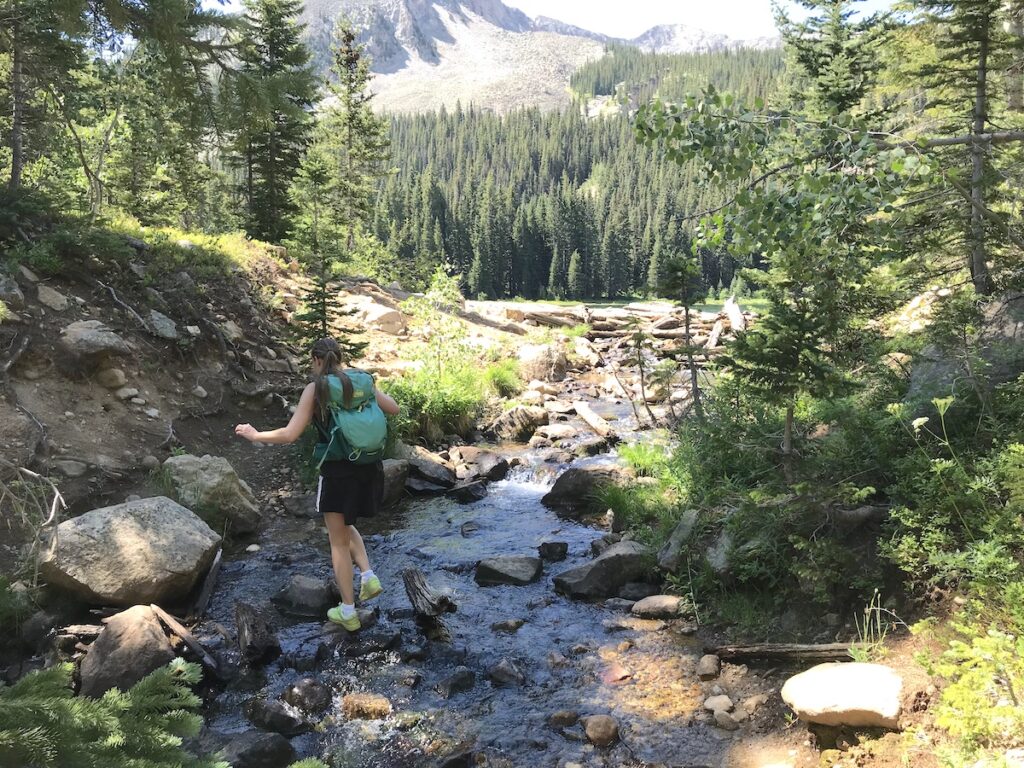
Leadville is quirky, historic, and proudly rough around the edges. Sitting at over 10,000 feet, it’s the highest incorporated city in the U.S., and that elevation is part of its identity. The town’s mining past is still visible, and its no-frills authenticity appeals to hikers, cyclists, endurance athletes, and travelers who prefer substance over polish.
Lodging is straightforward and historic, with classic hotels, a few boutique properties, and vacation rentals. It’s more about affordability and location than luxury, though options are slowly expanding. The Timberline offers a well-located, rustic-boutique stay.
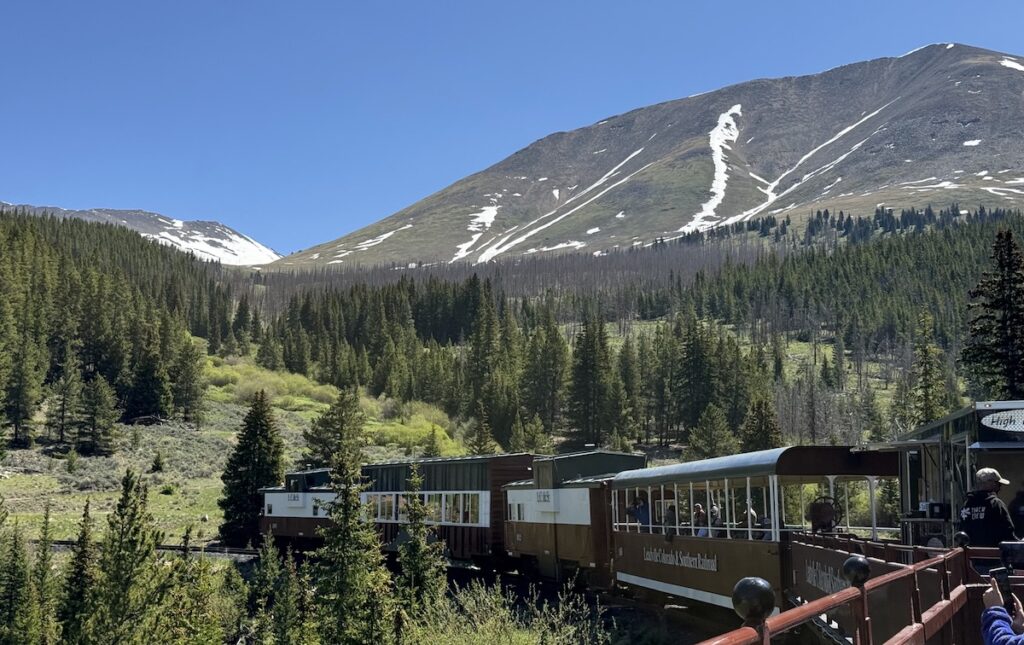
Summer and early fall are ideal for exploring nearby peaks and passes, while winter is quiet but still appealing if you’re prepared. Leadville is about 2 hours from Denver International Airport and roughly an hour from Eagle County Regional Airport.
Ouray
Ouray is often called the “Switzerland of America,” and while that comparison doesn’t quite land for me, the setting really is striking — and it’s one of my favorite mountain towns in Colorado.
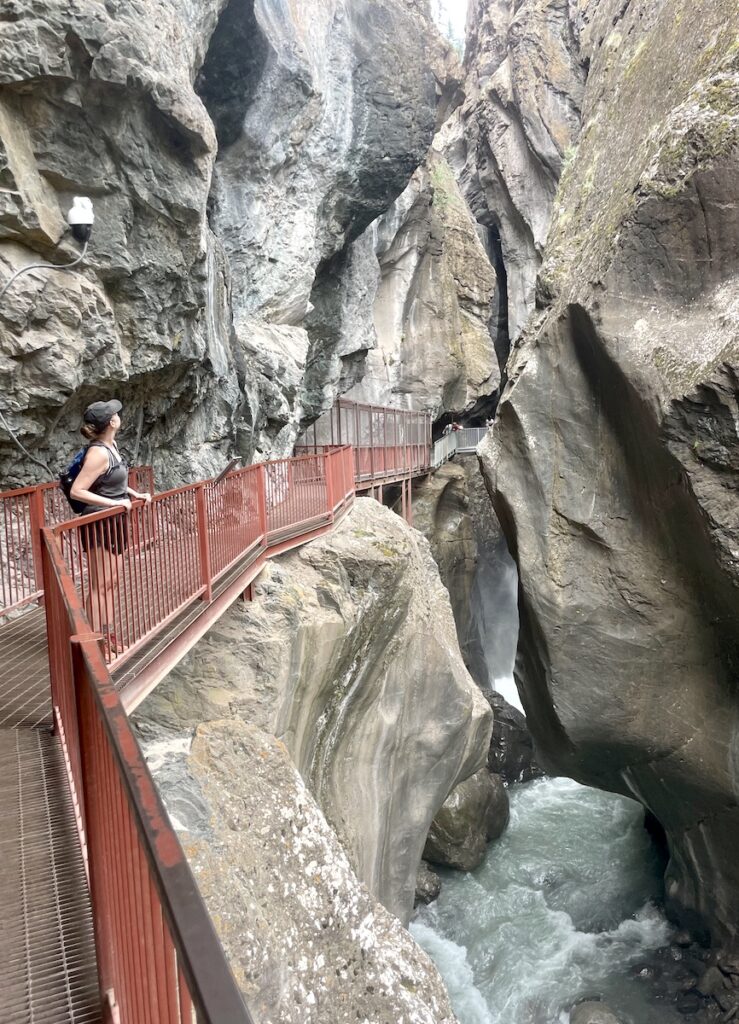
Sitting in a tight box canyon surrounded by sheer peaks and waterfalls, it feels dramatic without the resort-town gloss. Known for hot springs, ice climbing, and access to high-alpine Jeep roads, Ouray is a place where there’s a surprising amount to do. Many visitors treat it as a quick stopover, which is exactly why it still feels underrated. For things to do and tips for visiting, be sure to check out my Ouray, Colorado Guides.
Ouray has one of the strongest lodging scenes on this list, with beautifully restored historic hotels, boutique inns, and well-located vacation rentals. I’ve detailed the best options in my guide to the Best Hotels In Ouray.
Late spring through early fall is ideal for hiking and scenic drives, while winter draws ice climbers and hot spring lovers. Ouray is about 1 hour from Montrose Regional Airport and roughly 5.5 – 6 hours from Denver International Airport.


Cañon City
Cañon City sits right where the mountains soften into canyon country, and that transition is part of what makes it interesting.
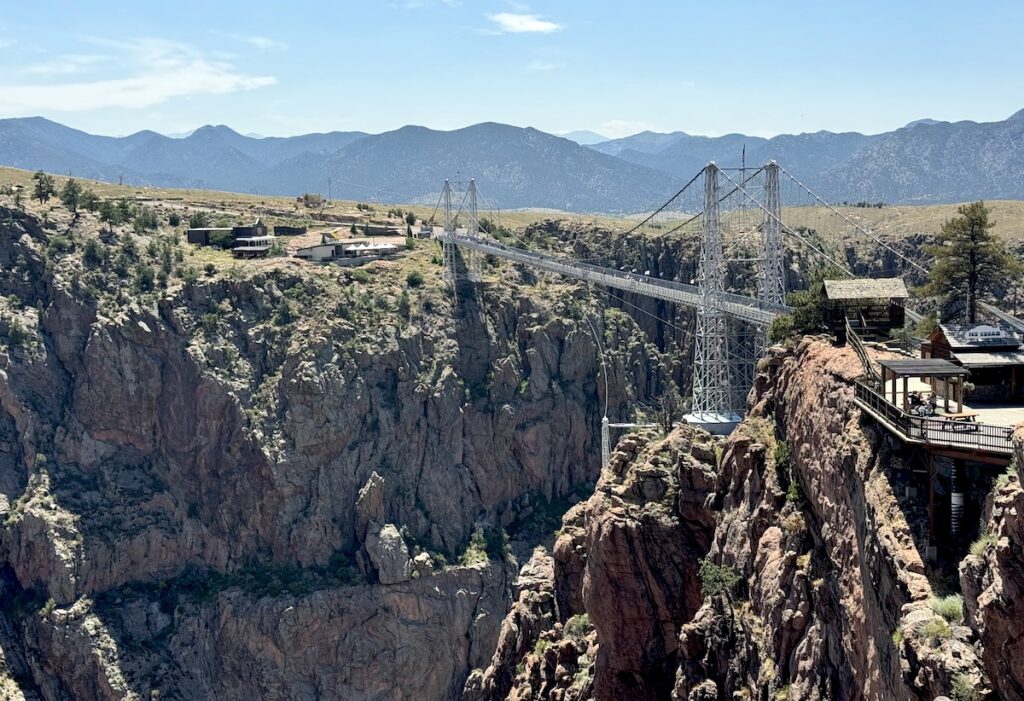
It’s best known as the gateway to the Royal Gorge, but there’s more here than just the bridge, including rafting on the Arkansas River, scenic drives, and access to quieter trail systems. Compared to higher-elevation mountain towns, Cañon City feels calmer, warmer, and more low-key, which makes it appealing during shoulder seasons when other areas are still snowed in. While many visitors treat it as a quick day trip, it largely flies under the radar as an overnight destination.
Lodging is quite affordable with basic hotels, motels, and vacation rentals, plus a few scenic options near the river or canyon areas. Hotel St. Cloud is a solid historic option right in town.
Spring and fall are ideal thanks to mild weather, while summer is popular for rafting.
Cañon City is about 1 hour from Colorado Springs Airport and roughly 2 hours from Denver International Airport.
Creede
Creede is one of those towns that’s easy to forget — even for Colorado locals — which makes it all the more surprising once you actually visit.
Once a booming silver mining town, it’s now a tiny, artsy community with strong Old West character and an outsized cultural presence for its size. Visitors come for hiking, fly fishing, and nearby Wheeler Geologic Area, but many stay for the excellent views, sense of isolation, and preserved history.
Creede is underrated simply because it’s remote and not interested in competing with more well-know destinations.
Lodging options are limited, ranging from small rentals and historic hotels to a handful of bed and breakfasts. Availability can be tight in summer, and staying here feels intimate and local. Creede Hotel is a classic historic choice.
Summer and early fall are the best times to visit, when mountain roads and trails are accessible. Creede is about 2 hours from Gunnison Airport and roughly 4.5 hours from Denver International Airport.
Buena Vista
Buena Vista strikes a rare balance between being outdoorsy and accessible without feeling overrun. Set along the Arkansas River with the Collegiate Peaks rising behind it, it’s a hub for rafting, hiking, and hot springs, while still maintaining a relaxed, lived-in feel.
What makes Buena Vista feel underrated is how approachable it is — you get big mountain scenery without the intensity or price tag of a major resort town. It’s well loved by Coloradans, and it wouldn’t be surprising to see it gain wider recognition soon.
Lodging options are well-rounded, with boutique motels, modern cabins, riverfront lodges, and vacation rentals designed for outdoor travelers. Mt. Princeton Hot Springs is a popular option if soaking is a priority, while Surf Hotel & Residences offers a more boutique-style stay.
Summer through early fall is prime for rafting and hiking, while winter is quieter and scenic, with hot springs visits still very much in season.
Buena Vista is about 2.5 hours from Denver International Airport and just under 2 hours from Colorado Springs Airport, making it easy to access and great for first-time visitors. For more easy destinations, check out my guide to the Best Colorado Mountain Towns For First-Time Visitors.

Salida
Salida sits just down the road from Buena Vista and shares many of the same outdoor perks, but with a different personality.
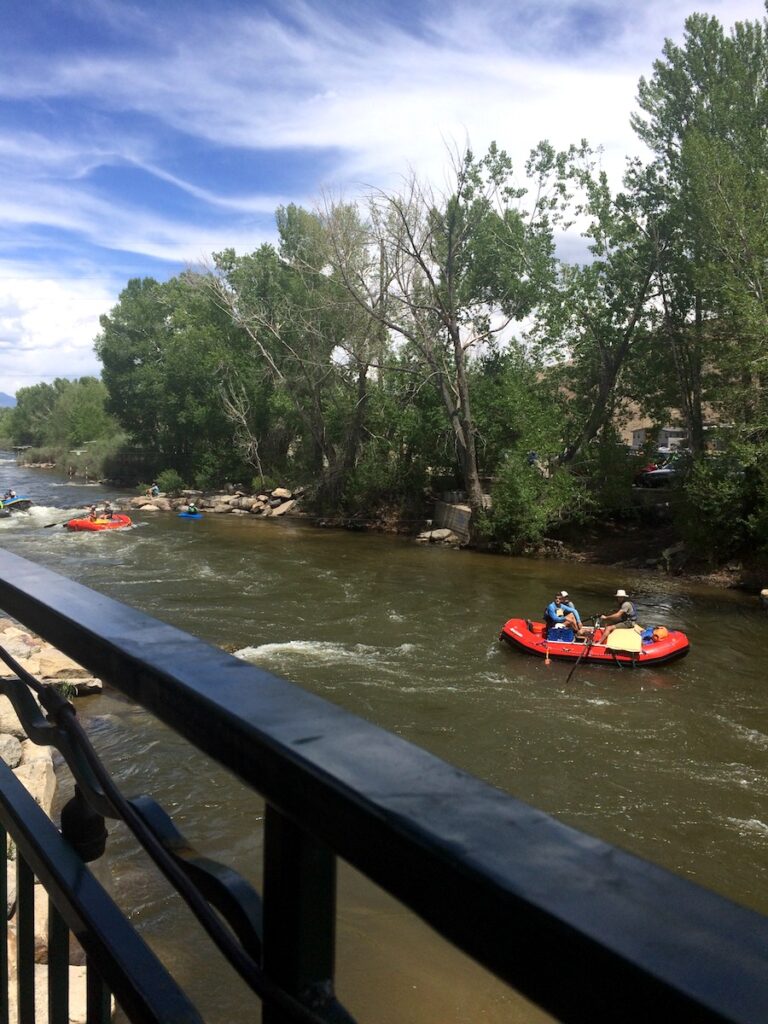
The town has a creative, slightly funky energy, with a historic downtown full of galleries, coffee shops, and locally owned restaurants, all right on the river. Outdoor access is immediate — rafting, biking, and hiking are right there — but Salida also feels like a real community rather than a town built solely for visitors. It’s gaining popularity quickly, especially among Coloradans.
Lodging includes stylish boutique hotels, artist-owned inns, and plenty of short-term rentals. Staying near downtown or the river offers the best mix of walkability and atmosphere. The Manhattan Hotel Salida is a standout option right on the river.
Summer through fall is ideal, with festivals and river activities keeping things lively, while winter is great for a quieter visit.
Salida is about 2.5 hours from Denver International Airport and roughly 2 hours from Colorado Springs Airport.
Gunnison
Gunnison is often treated as a pass-through town, but it’s quietly one of the best bases for exploring central Colorado. It has a lived-in, working-town feel, with solid local restaurants, easy access to public lands, and fewer crowds than nearby resort destinations. From here, you can reach Crested Butte, Curecanti National Recreation Area, and miles of hiking, fishing, and biking trails — plus excellent skiing — without resort traffic.
Lodging in Gunnison is functional and affordable, with chain hotels, local motels, and a growing number of vacation rentals. It’s a practical choice if you want value and flexibility while using the town as a base. Wanderlust Hostel and Holiday Inn Express are both reliable options.
Summer through fall is best for outdoor access and day trips. Winter is calm and uncrowded, great for skiing, although notably cold. Gunnison has its own regional airport with connections to Denver and is about a 4 hour drive from Denver International Airport.
Frisco
Frisco is one of the most convenient mountain towns in Colorado, yet it’s often treated as a quick stop instead of a place to actually stay.
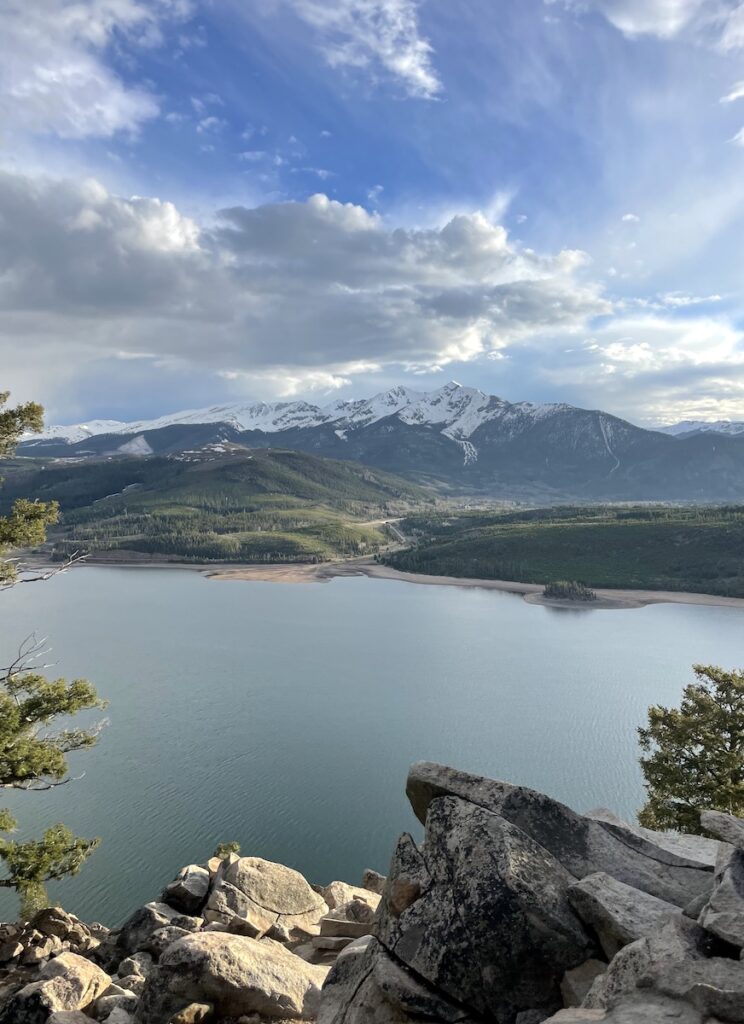
Sitting right in the heart of Summit County, it’s surrounded by major ski resorts including Breckenridge, Copper Mountain, Keystone, and Vail, while still maintaining its own small town charm. The historic Main Street is walkable and lively, with good restaurants, breweries, and shops, and Dillon Reservoir adds a summer lake-town feel that many visitors overlook. What makes Frisco underrated is how much access it offers without the price tag or intensity of staying directly at a resort.
For lodging right in town check out Frisco Inn on Galena.
Frisco works well year-round, with skiing and snow sports dominating winter and hiking, biking, and lake activities taking over in summer. Although do be aware, surrounding mountain towns will shut down between April and Memorial Day.
It’s about 1.5 hours from Denver International Airport.
For more destinations like this, check out my guide to the Top Colorado Cities & Regional Hubs For Visitors.
Pagosa Springs
Pagosa Springs blends outdoor adventure with one of the most genuinely relaxing experiences in the state: its natural hot springs. Set along the San Juan River and surrounded by forested mountains, it’s a place where hiking, soaking, and slow mornings coexist easily. While it’s well known among Coloradans and gaining popularity beyond the state, its remote location still helps keep crowds in check compared to other hot spring towns.
Lodging options range from resort-style hot spring hotels to casual motels and scenic vacation rentals. Staying near the river or hot springs area is ideal if soaking is a priority, and The Springs Resort is one of the best options in town.
The hot springs are popular year-round. Summer through fall is great for hiking and river activities, while winter is ideal for soaking after skiing or cold-weather adventures.
Pagosa Springs is about 1 hour from Durango–La Plata County Airport and roughly 5 hours from Denver International Airport.
Grand Lake
Grand Lake sits at the western entrance to Rocky Mountain National Park, which makes it impossible to be completely hidden — yet it somehow stays quieter than you’d expect. Centered around Colorado’s largest natural lake, it has a more relaxed, water-focused feel than many alpine towns. Kayaking, hiking, and scenic drives are big draws, and the historic boardwalk downtown feels charmingly old-fashioned.
My Best Things To Do in Grand Lake In Summer guide covers both in-town highlights and nearby outdoor activities. And if you’re visiting Rocky Mountain National Park from this side, also check out the Best Things To Do On The West Side Of RMNP.
Lodging here leans rustic, with classic cabins, lakefront lodges, and simple stays rather than big hotels. Many prioritize views and access to the water or the park over modern extras. For lakeside stays, I’ve rounded up my favorites in my guide to the Best Cabins On The Lake In Grand Lake.
Summer and early fall are ideal, especially when Trail Ridge Road is open and water activities are in full swing. Winter is peaceful and snowy, with excellent snowmobiling and cross-country skiing nearby.
Grand Lake is about 2 hours from Denver International Airport by car.


Crestone
Crestone is unlike anywhere else in Colorado — and that’s not an exaggeration. The small town is known for its spiritual centers, alternative communities, and dramatic Sangre de Cristo backdrop, it attracts travelers who are curious, open-minded, or simply looking for something different.
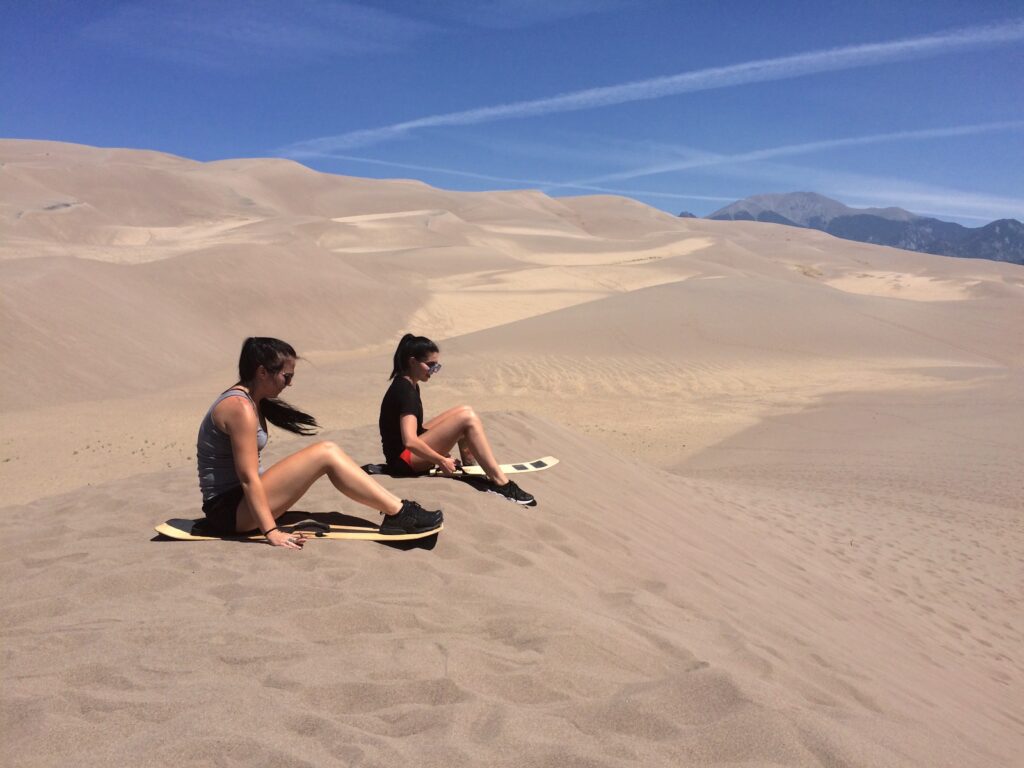
Hiking, solitude, and proximity to Great Sand Dunes National Park are major draws, but so is the town’s quiet, introspective energy. Crestone feels underrated largely because it’s remote and unapologetically not trying to appeal to everyone.
Lodging is limited, with small inns, retreat-style accommodations, and a handful of vacation rentals. It’s best suited for travelers comfortable with simplicity and a slower pace. Crestone Casitas offers spacious, well-reviewed accommodations just outside of town.
Late spring through fall is best for access and hiking, while winter is quiet and remote. Crestone is about 3.5 hours from Denver International Airport and roughly 3 hours from Colorado Springs Airport.
Twin Lakes
Twin Lakes is small, scenic, and refreshingly understated. Sitting at the base of Mount Elbert and Mount Massive, it’s known for expansive views, excellent hiking, and plenty of opportunities for paddleboarding, kayaking, fishing, and lakeside relaxing. It’s also a nice base for summer day trips to Aspen via Independence Pass.
While the surrounding area is growing in popularity, Twin Lakes itself still feels low-key and lightly developed.
Lodging is minimal and scenic, centered on cabins, lodges, and a few small inns, with camping also very popular in the area. This is a place to stay for the setting and solitude rather than variety and upscale amenities. Twin Lakes Inn & Saloon is a classic option right in town.
Summer and early fall are ideal for hiking and lake activities. Winter access can be limited, but the scenery remains striking.
Twin Lakes is about 2.5 hours from Denver International Airport by car.
Manitou Springs
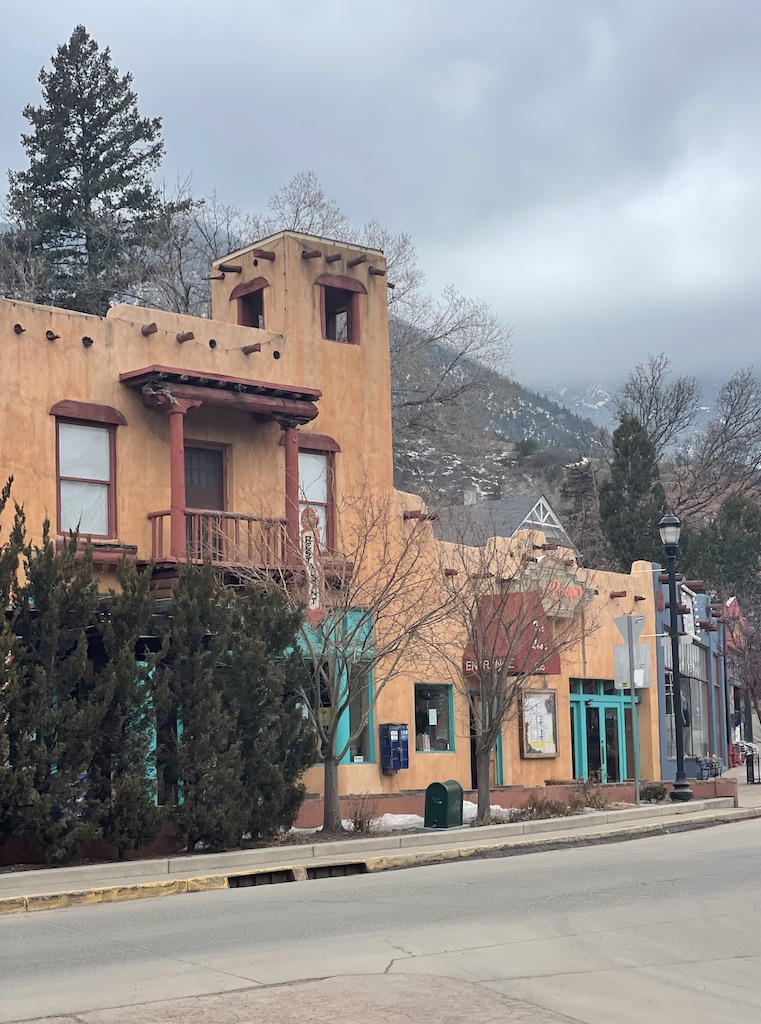
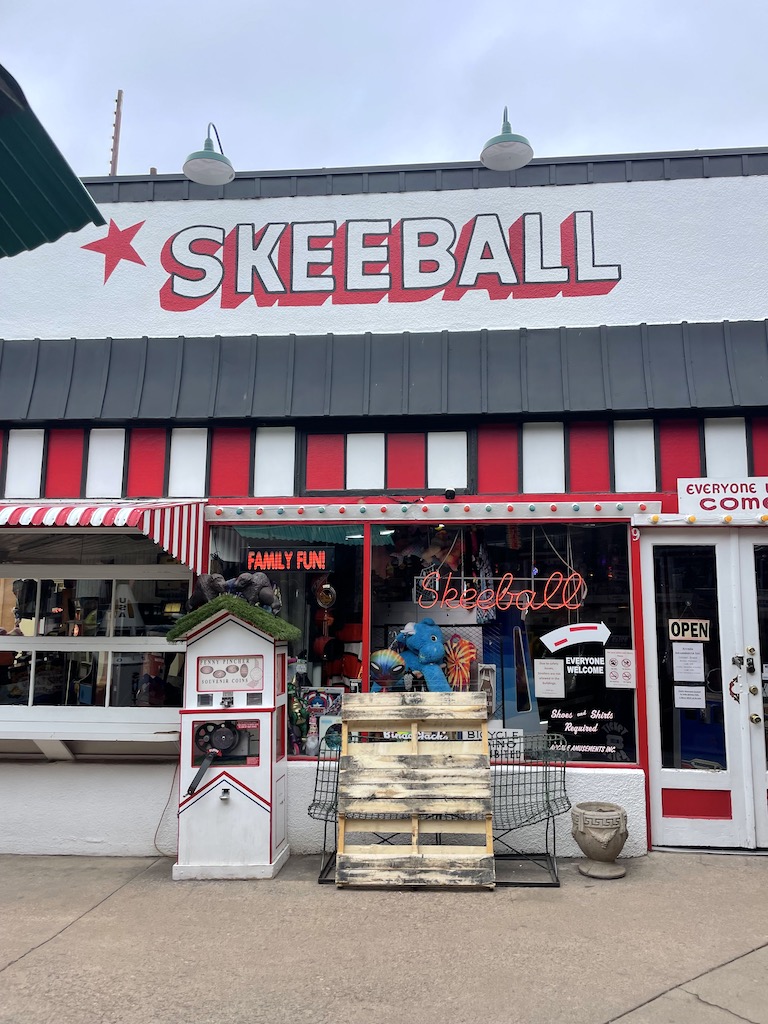
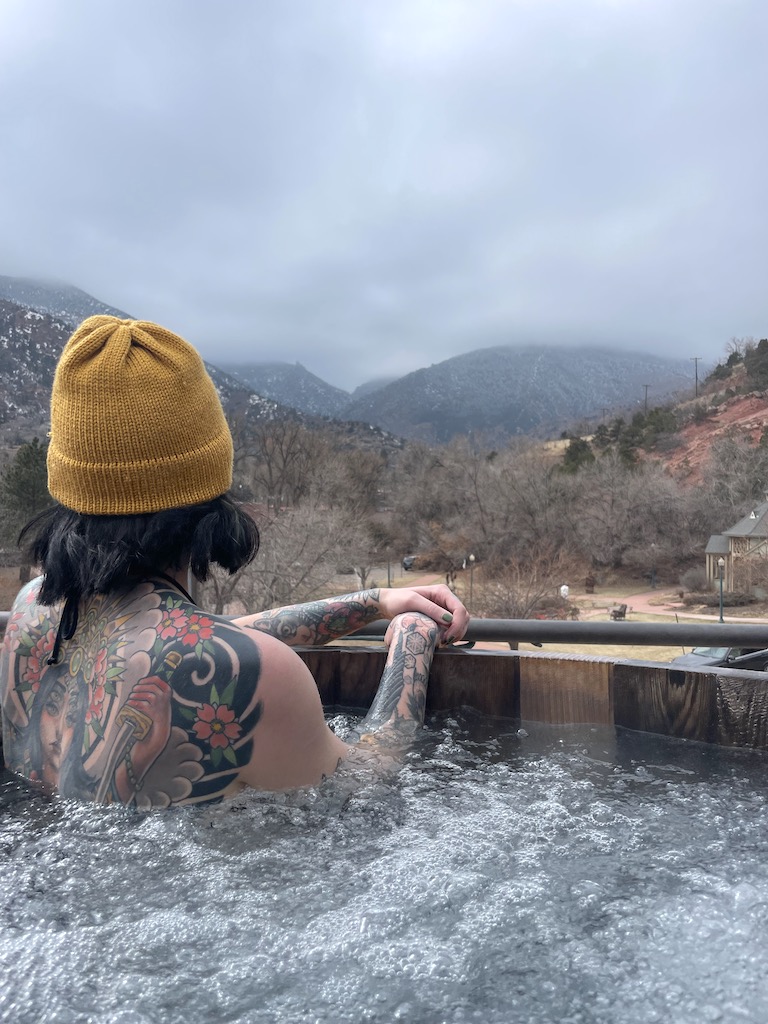
Manitou Springs isn’t a hidden gem — it’s a very popular day trip destination — but it’s often overlooked as a place to actually stay. Quirky in the best way, it’s known for mineral springs, colorful architecture, and a slightly eccentric, artsy energy that feels distinct from nearby Colorado Springs. It’s a great base for exploring Pikes Peak, the Manitou Incline, Garden of the Gods, and nearby trails, while still offering a lively, walkable downtown.
Lodging is limited but includes historic hotels, boutique inns, and colorful vacation rentals, most within walking distance of downtown. Staying overnight makes a noticeable difference compared to a quick visit. The Cliff House at Pikes Peak is a standout option for a more refined stay.
Manitou Springs works year-round, though summer weekends can be very busy. It’s about 20 minutes from Colorado Springs Airport and roughly 1.5 hours from Denver International Airport.
Westcliffe
Westcliffe is one of the most genuinely underrated mountain towns in Colorado — even among locals. Set at the base of the Sangre de Cristo Mountains, it offers wide-open valley views, dramatic peaks, and an incredibly peaceful atmosphere. The town is small and quiet, but it has a surprising arts presence and is known for its designation as an International Dark Sky Community, making stargazing one of its biggest draws. Westcliffe appeals most to travelers looking for space, silence, and scenery rather than activity-packed itineraries.
Lodging options are limited and locally run, with small inns, cabins, and vacation rentals scattered around town and the surrounding valley. Check out The Stellar Inn for cozy lodging in the center of town.
Summer through fall is the best time to visit for hiking, scenic drives, and outdoor exploration, while winter is quiet and remote with limited services. Westcliffe is about 2.5 hours from Denver International Airport and roughly 1.5 hours from Colorado Springs Airport.
Palisade
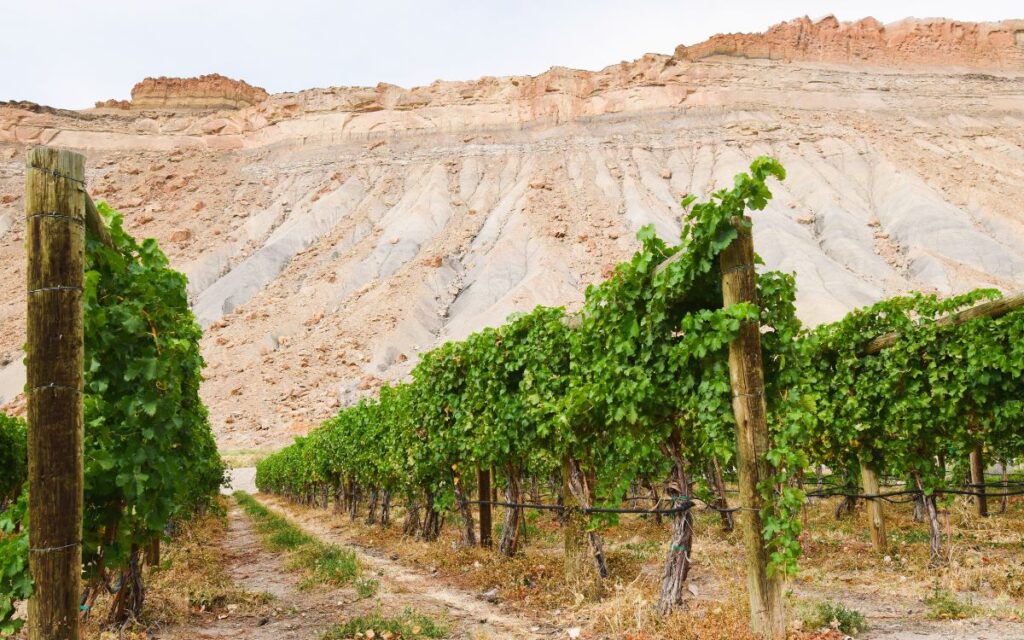
Palisade doesn’t look like the other towns on this list — set on the far western slope in high desert terrain — but it absolutely earns its place here. Surrounded by vineyards and orchards at the edge of Colorado’s wine country, it offers a slower pace and a completely different landscape. Visitors come for wine tasting, cycling, and views of the Book Cliffs, often pairing a visit with nearby canyon country, making it incredibly underrated.
Lodging is limited but distinctive, with vineyard-adjacent inns, boutique hotels, and scenic vacation rentals that lean into the wine-country feel. Spoke and Vine Motel is a great boutique option in a central location.
Late summer through fall is ideal, especially during peach season and harvest, though fall through spring is my favorite time thanks to cooler temperatures (summer here gets very hot!). Palisade is about 15 minutes from Grand Junction Regional Airport and roughly 4 hours from Denver International Airport.
Colorado’s lesser-known mountain towns reward travelers who are willing to slow down, drive a little farther, and look beyond the usual highlights. These places offer just as much scenery and outdoor access, with distinct personalities and often far fewer crowds. If you’re craving less polished version of Colorado, these towns are a great place to start.
I hope you’ve found this helpful in planning your trip and have the best time!
Any questions? Please leave a comment below or reach out on social media.
Looking for more information? Below are additional Colorado guides!
Colorado Guides:
- Best Colorado Mountain Towns For First-Time Visitors
- Top Colorado Cities & Regional Hubs For Visitors
- Magical Winter Destinations In Colorado
- Best Christmas Towns In Colorado
- Colorado Travel Guide (everything to know for planning your trip!)
- All Colorado Guides
Pin for later!



Keep Up With Amy!
Subscribe to the newsletter for the latest updates in your inbox. And don’t forget to connect on your favorite social platform!
Thank you!
You have successfully joined our subscriber list.