
Rocky Mountain National Park In Winter: The Best Things To Do Plus Tips For Visiting

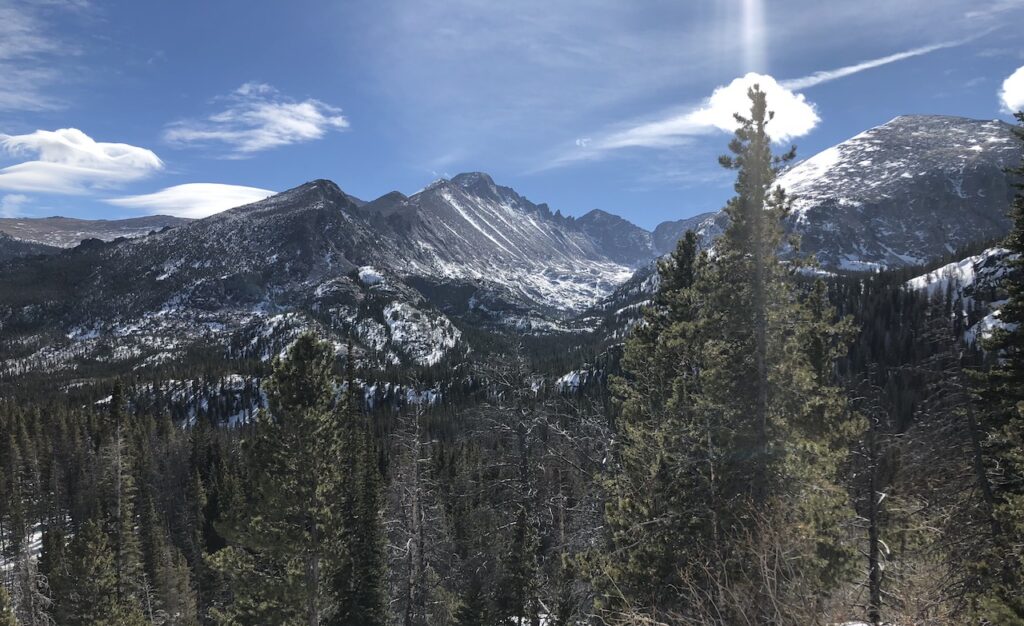
Winter is my favorite time of year to explore beautiful Rocky Mountain National Park.
Come late fall, snow and ice begin to cover the park, quiet trails open for snowshoeing and cross-country skiing, and Rocky Mountain National Park quickly transforms into a winter wonderland.
The cold weather and deep snow keep most visitors away, meaning this is one of the only times to see the park absent of large crowds.
While a winter visit definitely requires more planning, don’t let that stop you from visiting. I’ve lived in the Denver area most of my life and love visiting this time of year. Read on for everything to know about visiting Rocky Mountain National Park in winter.


The Best Things To Do In Rocky Mountain National Park During Winter
Snowshoeing
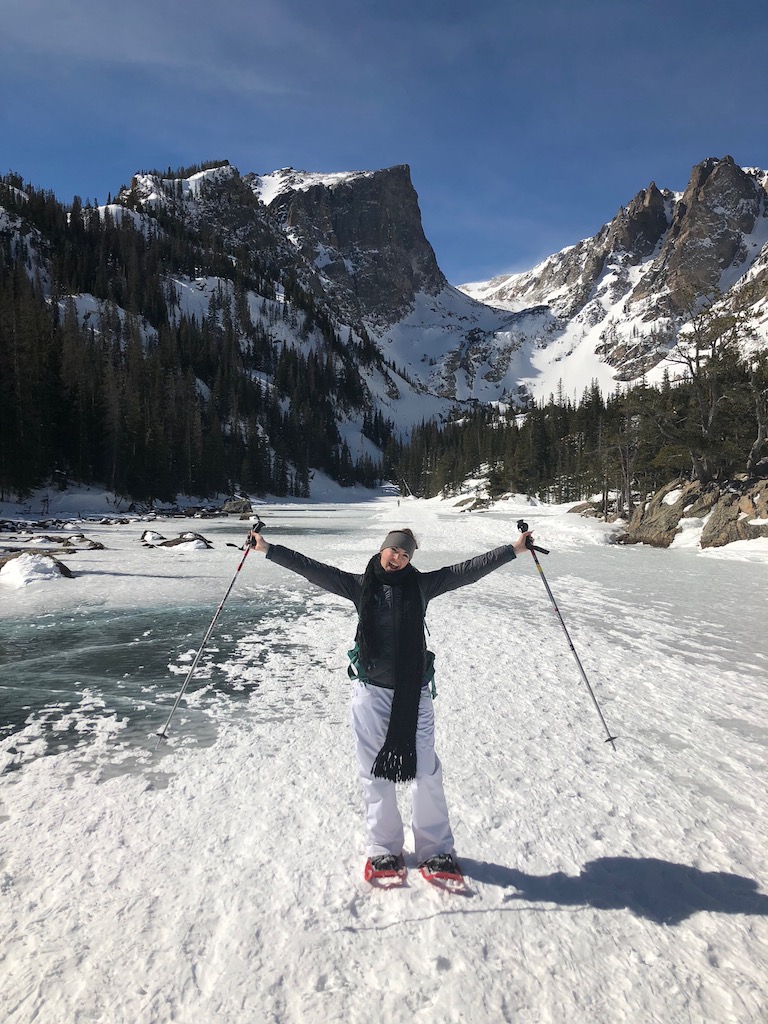
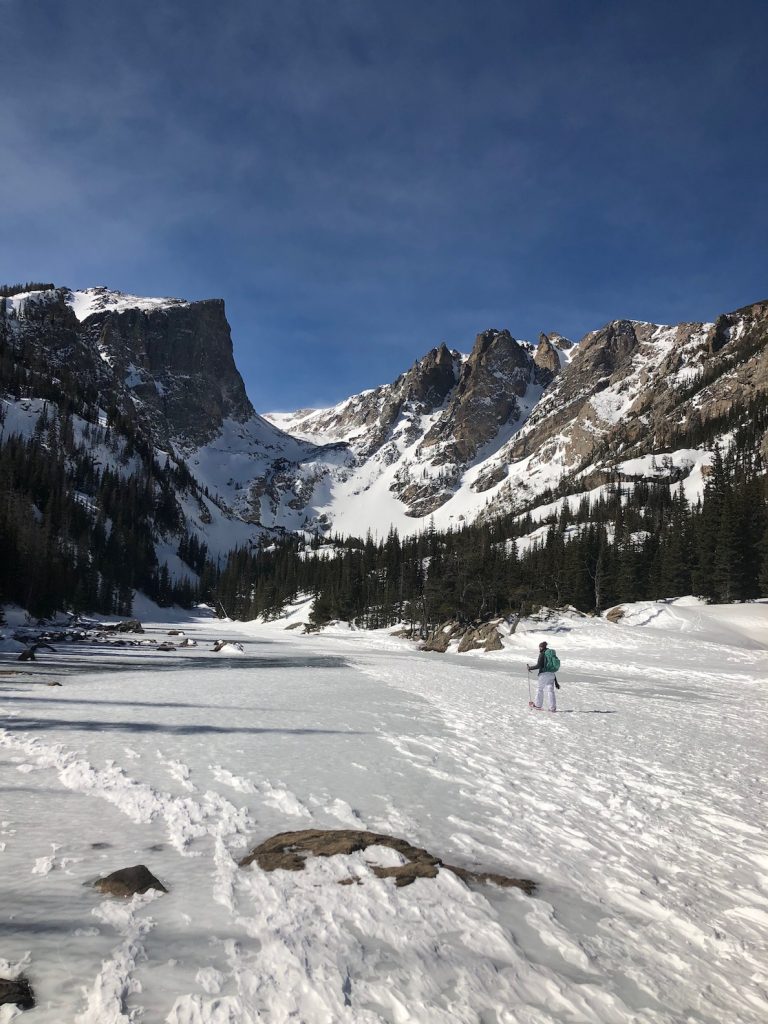
If visiting Rocky Mountain National Park in winter, there’s a good chance you’ll be doing a winter hike, which involves snowshoeing, or at the very least, spikes.
You’re in for a treat, this is an excellent way to see RMNP. Hikes which are normally clogged with visitors come summer, free up considerably when snow covers the trails.
Below are a few of the most popular winter hikes.
Best Winter Hikes In Rocky Mountain National Park
- Bear Lake – .7 miles, 49 foot elevation change, rated easy.
- Nymph Lake – 1.2 miles, 262 foot elevation change, rated easy.
- Dream Lake – 2 miles, 426 foot elevation change, rated easy.
- Emerald Lake – 3.2 miles, 698 foot elevation change, rated easy.
- Chasm Falls – 2.5 miles, 465 foot elevation change, rated moderate.
- Gem Lake – 3.1 miles, 994 foot elevation change, rated moderate.
- Lake Haiyaha – 4 miles, 846 foot elevation change, rated moderate.
- The Loch – 5.4 miles, 1,056 foot elevation change, rated moderate.
- Chasm Lake – 8.8 miles, 2,542 foot elevation change, rated hard.
Dream and Emerald Lake can be hiked together, and in my opinion are the best winter hikes in Rocky Mountain National Park.
This is definitely one of the best things to do in Rocky Mountain National Park in winter.
Ranger-led Snowshoe Walks
For those more comfortable with a guide, Rocky Mountain National Park offers ranger-led snowshoe hikes on weekends from mid-January through mid-March.
Walks are conducted from both the West and East side of the park and must be reserved in advance.
You can find information regarding RMNP’s ranger-led snowshoe walks through: Ranger-led Snowshoe Walks.
Snowshoe Rental
If you need to rent a pair of snowshoes or spikes, I highly recommend Estes Park Mountain Shop.
The rental process is easy, and the shop is located near downtown Estes Park, about 15 minutes (7 miles) from the Fall River Entrance Station.
If visiting the West side of the park, check out rentals at Grand Lake Recreation or Never Summer Mountain Products.
Cross-Country Skiing
Another popular way to see Rocky Mountain National Park in the winter months is by cross-country skiing.
Beginners are should start on trails which are relatively flat and well-maintained. A few popular routes are Trail Ridge Road, Sprague Lake, and Glacier Gorge.
Keep in mind, nordic skiing can be quite a work out, plus the park’s high elevation will tire you out quicker than normal. You’ll need to be physically fit for this excursion.
If you’re interested in lessons, KMAC guides (formerly Kent Mountain Adventure Center) is a National Park Service Authorized Concessioner offering in-park, half-day lessons.
These include necessary equipment and make for a really cool way to see the park.
You can book this fun excursion here: KMAC guides.
For those who’d rather go at it on their own but need gear, Estes Park Mountain Shop offers cross-country ski rentals.

Backcountry Skiing
Another popular thing to do in Rocky Mountain National Park during winter is backcountry skiing. In fact, the park’s acres of untracked terrain are full of fresh powder, excellent for skiing.
It’s imperative, however, to be aware of conditions and avalanche danger within the park.
Rocky Mountain National Park encourages any backcountry adventurers to stop by a Visitor Center or park office before heading out.
Here you can learn the latest conditions and weather updates specific to where you are heading.
Sledding At Hidden Valley
Did you know Rocky Mountain National Park once had a ski resort? Hidden Valley Ski Area!
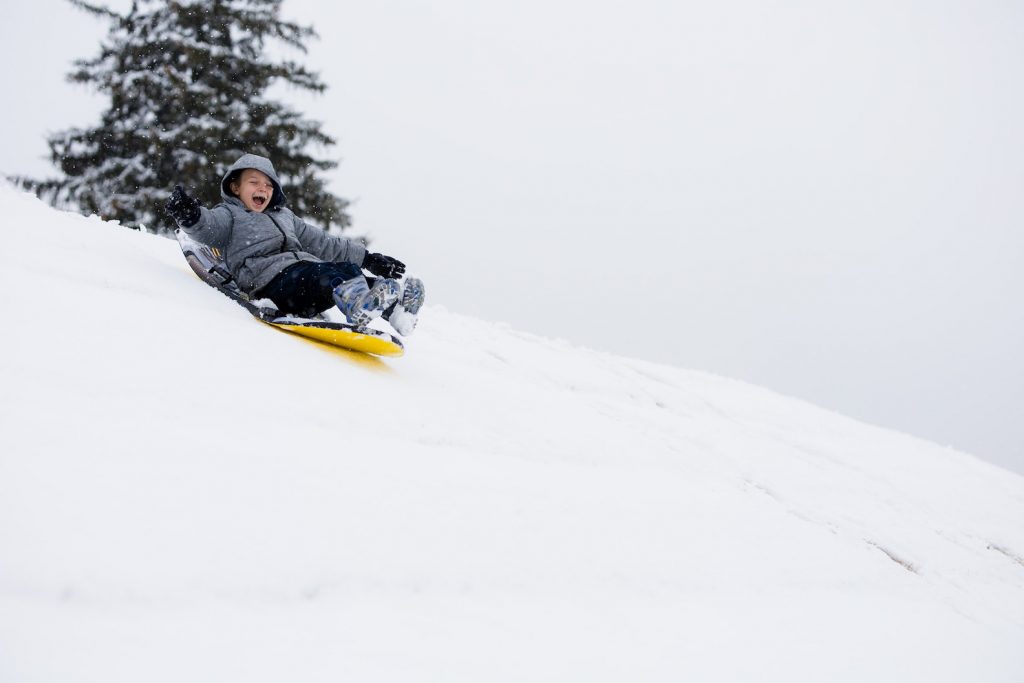
While the resort closed over 35 years ago, the area is now extremely popular for something a little more low key, sledding.
The current sledding hill was formerly the bottom of a bunny slope. This means it has a gentle grade, perfect for kids. There are no tows provided, so kids and adults must haul their own sleds up the hill before sliding down.
Additionally, there’s nowhere on site to rent sleds or tubes, but again, nearby Estes Park Mountain Shop offers sled rentals.
There is a warming hut and heated restroom with flushing/ running water at the bottom of the sled hill.
This is definitely the most family-friendly activity Rocky Mountain National Park has to offer in winter.
Scenic Drive
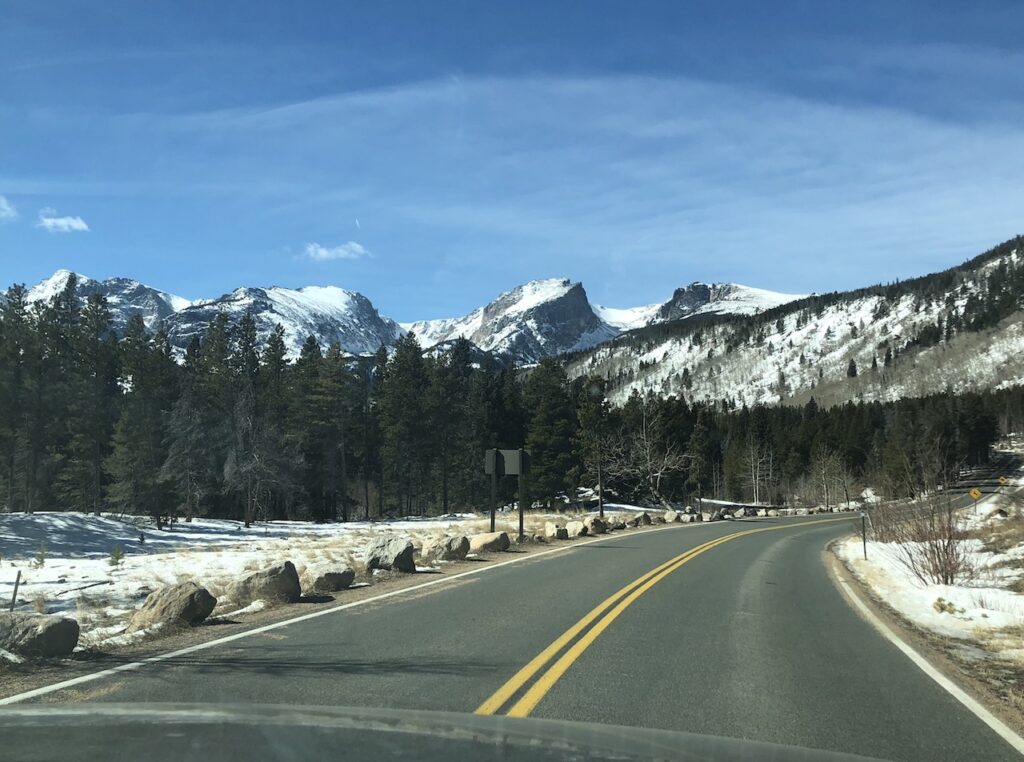
It’s possible to drive through parts Rocky Mountain National Park in winter. To be honest, though, this isn’t the best time to plan a scenic drive. Many roads, including famous Trail Ridge Road, are closed in the winter season.
Having said that, for park visitors wishing to take in the scenery without facing the cold, there are still roads open which are worth driving.
For information regarding which roads are open, head over to RMNP Park Roads.
Trail Ridge Road Note:
Trail Ridge Road, the park’s most popular scenic drive, is closed roughly mid October through Memorial Day each year.
This road famously crosses the Continental Divide and is one of the highest elevation paved roads in the United States. Additionally, it connects the park’s east side (Estes Park) to the west side (Grand Lake).
If planning to get from Estes Park to Grand Lake in winter, or vice versa, you will have to take US 40.
This takes you around the mountain pass, instead of over it, which is about a 3.5 hour drive without traffic.
Watch For Wildlife
Winter can be a great time to spot wildlife in Rocky Mountain National Park.
The animals most commonly found here are elk, mule deer, bighorn sheep, snowshoe hare, coyotes, and even moose.
Animals make their way to the park’s lower elevations in winter, which can make them easier to find.
Dawn and dusk are the best time to spot animals, your odds are even further increased if you’re near a river, lake, or meadow.
Birdwatchers, keep an eye out for Steller’s jays, gray jays, Clark’s nutcrackers, and long-tailed black-billed magpies.

Visitor Center
Most Rocky Mountain National Park Visitor Centers are open year-round.
The Visitor Centers are a great place to check in with park rangers regarding weather conditions, safety warnings, or to simply ask for tips on how best to see the park in winter.
It’s also a great place to grab a unique gift or park memorabilia.
Below are the Visitor Centers which are open in winter:
- Fall River Visitor Center – The largest visitor center, located on the east side of the park. It features a nature store, interactive park exhibit, gift shop, and restaurant.
- Beaver Meadows Visitor Center – Small visitors center on the east side of the park near the Beaver Meadows Entrance Station.
- Kawuneeche Visitor Center – Located on the west side of the park, near the town of Grand Lake.
Each center has modified winter hours, check out the “Hours & Seasons” tab on the park’s website: Rocky Mountain National Park Visitor Centers.
Winter Camping
For the adventurous few interested in camping in Rocky Mountain National Park during winter, there are a few options for you.
Longs Peak Campground and designated sections of Moraine Park and Timber Creek Campgrounds are open all winter. Additionally, backcountry camping is permitted in designated areas with permit.
Of course, campers will need to be prepared for snow, persistent wind, and freezing conditions.
Campground opening dates and regulations are regularly changing, so be sure to check with RMNP before heading out: RMNP Camping.
Rocky Mountain National Park Winter Tours
Interested in seeing the park with a guide? There are a number of tour options throughout the park even in winter.
Check out these popular winter tour options:
- RMNP Winter Hiking Tour
- RMNP Sledding Tour
- 4×4 Tour Through RMNP
- Cross-country Skiing Tour
- Ranger-led Snowshoe Walk
For more ideas, check out The Best Rocky Mountain National Park Tours. The article has an entire section dedicated to the best winter tours in RMNP.
Rocky Mountain National Park Winter Itinerary
Looking for a one day winter itinerary for RMNP?
An ideal winter day in Rocky Mountain National Park would look like this:
- Stop by the Fall River Visitor Center.
- Hike Dream & Emerald Lake.
- Go sledding in Hidden Valley.
- Walk the shops and grab a late lunch in Estes Park.
The hike could easily be replaced with activities such as cross-country skiing, a ranger-led snowshoe walk, or scenic drive.

Things To Do Near Rocky Mountain National Park In Winter
In addition to fun winter activities in Rocky Mountain National Park, there’s exciting things to do in the surrounding area as well!
Some popular winter activities near RMNP include:
- Explore the shops and restaurants in the town of Estes Park.
- See the beautiful town of Grand Lake.
- Go snowmobiling, there are tour companies in both Estes Park and Grand Lake.
- Go snow tubing in Winter Park.
- Try fat biking, rentals are available in Estes Park, Grand Lake, Granby, and Winter Park.
- Soak in Hot Springs at Hot Sulphur Springs near Granby.
For winter events in Estes Park, check out Estes Park In Winter: Top Things To Do.
Winter Weather In Rocky Mountain National Park
Below are average temperatures to provide a general idea of weather in Rocky Mountain National Park during winter:
- November – 34° / 20° (average high / low F°)
- December – 25° / 12°
- January – 27° / 13°
- February – 28° / 13°
- March – 36° / 18°
Snow and persistent wind are common occurrences in Rocky Mountain National Park in winter.
Important Note:
The park’s east and west sides can see very different weather. For example, the west side gets more snow than the east. Additionally, elevation, which varies greatly throughout the park, will affect conditions.
No matter where you are, weather can be unpredictable and change very abruptly here.
If you’re questioning whether or not conditions are safe, it’s always best to call the Visitor Center.
You can find RMNP contact information here: Rocky Mountain National Park Contact.

What To Wear In Rocky Mountain National Park In Winter
When visiting RMNP in winter it’s important to dress appropriately. Warm and waterproof layers are necessary, in addition to waterproof shoes, warm socks, a hat, and gloves.
If hiking, or doing any sort of outdoor excursion, I always bring back up items in case my gear gets wet. I bring back up socks, gloves, and hat, for example.
Rocky Mountain National Park Winter Packing List
My Rocky Mountain National Park winter packing list includes:
- Waterproof outer layer – snow pants and snow jacket.
- Insulated mid layer – fleece or puffer jacket, some people like sweatpants as well.
- Breathable base layer – pants and long sleeve shirt of breathable fabric, go with athletic wear or breathable thermal wear.
- Snow boots – tall, warm, waterproof boots.
- Cold weather accessories – warm hat, warm and waterproof gloves, scarf, and tall wool socks.
- Sun protection – sunscreen and sunglasses. Colorado’s intense sun reflecting on snow makes it very easy to burn, even in winter.
- Backpack
- Small first aid kit
- Snacks and/or lunch
- Minimum 40 – 80 oz of water (per person)
The above list, plus any necessary gear such as snowshoes, traction devices, hiking poles, sled, etc.
Again, gear can be rented from nearby Estes Park Mountain Shop.
As I’ve said, if hiking in Rocky Mountain National Park in winter, I always carry an extra fleece, socks, hat, and gloves. That way, in case anything gets wet, I have a back up.
You May Also Like: What To Wear In Colorado During Winter

Is Rocky Mountain National Park Worth Visiting In Winter?
As a Colorado resident I love Rocky Mountain National Park in winter.
You’re able to explore the beautiful park without all the summer crowds, and the hiking trails are stunning when covered in snow.
Having said that, it does take a bit of effort (and luck in the weather department), to enjoy a winter visit.
If you’re not comfortable with adventurous winter activities, winter driving, etc., I recommend joining a tour for the best experience, as opposed to going at it yourself.
I hope you’ve found this helpful in planning your winter visit to Rocky Mountain National Park, and have the best time!
Any questions or additional ideas? Please leave a comment below or reach out on social media.
Looking for more ideas? Below are additional Colorado and RMNP guides, or head on over to the National Park Service.
More Information For Your Visit To Rocky Mountain National Park:
- One Day In Rocky Mountain National Park: The Best Things To Do
- Fall In Rocky Mountain National Park: Best Things To Do
- West Side Of Rocky Mountain National Park: Top Things To Do
- The Best Rocky Mountain National Park Tours
More Information For Your Colorado Vacation:

Pin for later!



Keep Up With Amy!
Subscribe to the newsletter for the latest updates in your inbox. And don’t forget to connect on your favorite social platform!
Thank you!
You have successfully joined our subscriber list.